
Surf Fishing Techniques for Flounder: Rigs, Tides & Tips
Learn the best surf fishing techniques for flounder including rigs, tides, and how to read the beach for successful catches.
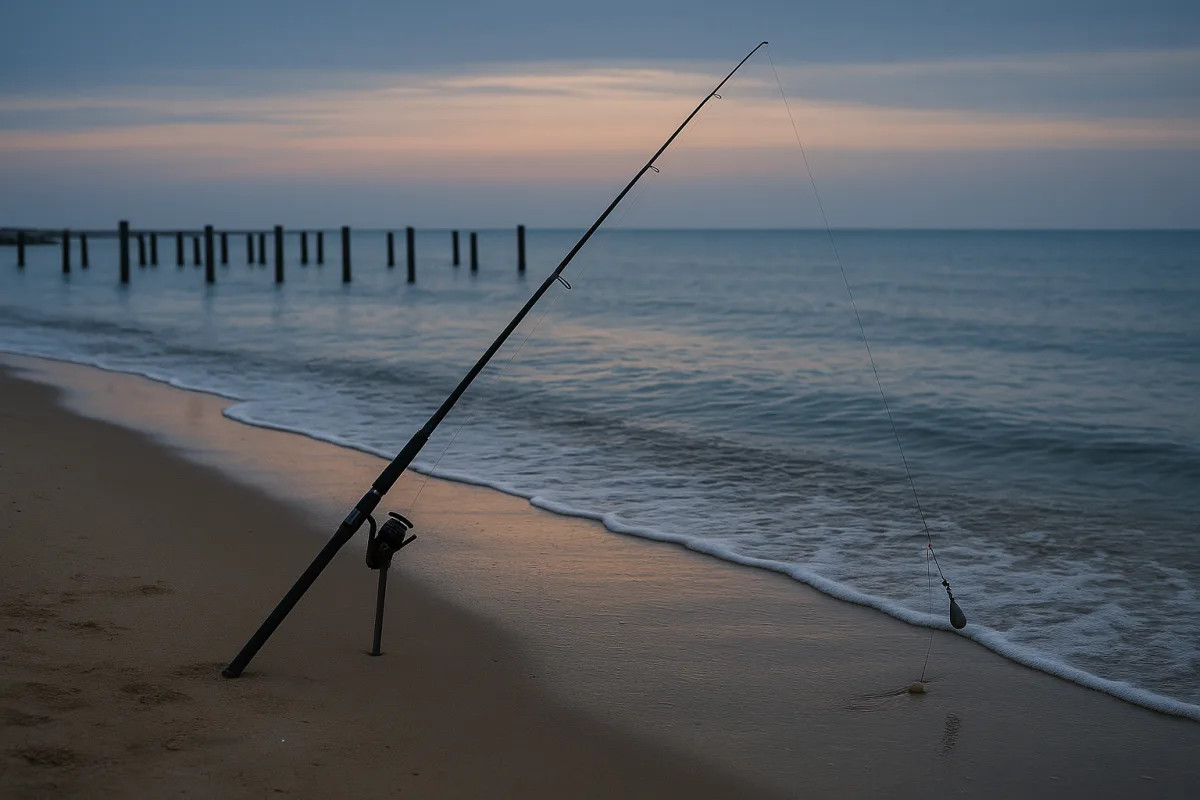
First, decide whether the tide is worth fishing
Flounder fishing starts with the tide chart, not the tackle bag. These fish lie on the bottom and wait for prey, so slack water often gives them less reason to move or feed aggressively. Moving water is the useful condition. [1][5]
A practical window is to arrive before high tide, locate the fishable bottom, then fish the first part of the falling tide. West Marine and Surfcasting Republic both identify moving tides, particularly the outgoing phase after high water, as productive. [1]
Low light improves the odds because flounder feed more actively at dawn, dusk, and during overcast periods. That does not mean noon cannot produce, but bright, flat conditions demand a more precise spot and a slower presentation. [1]
Season matters as well. Along the Atlantic and Gulf coasts, spring, roughly March through May, and fall, September through November, are commonly identified as prime flounder periods. [1][3]
Do not expect much from cold water simply because the tide is moving. Shore Guide identifies water below 42 degrees Fahrenheit as a common reason for poor flounder fishing, and no rig fixes fish that are not feeding.
Find bottom that gives a flounder somewhere to wait
A flounder is not roaming open surf looking for your bait. It is usually positioned on sandy or muddy bottom where current delivers prey past cover, a depth change, or a defined edge. [3][5]
From the beach, prioritize water near an inlet mouth, a channel edge, pilings, or a drop-off rather than the broadest stretch of clean sand. These areas create the current seams and bottom transitions an ambush predator can use. [3][5]
The productive cast is often not the longest cast. If a trough, drain, or channel edge is within comfortable range, place the bait on that transition and keep it there rather than throwing past the fish into deeper but featureless water.
Avoid anchoring your approach in the center of a channel if you are fishing from a boat or working an accessible inlet edge. Shore Guide lists mid-channel positioning among common errors, because the better holding water is often along the edges.
In the surf, make several short, intentional casts at different ranges before committing to one distance. The Gulf Coast Fishing Report recommends fishing multiple distances at first light, which is sensible when the nearest productive lane changes with tide height. [11]
Choose the rig for the current, not for appearances
The Carolina rig is the straightforward starting point when fishing a live bait or a natural bait close to bottom. It uses a sliding egg sinker above a swivel, with a fluorocarbon leader below, allowing the bait more freedom than a fixed heavy rig. [1]
Use it when the water is moving but manageable, and when you need to keep a mud minnow, shrimp, or small mullet in one feeding lane. The sliding sinker lets a fish pick up the bait with less immediate resistance. [1][3]
A jighead rig is better when you need to work a soft plastic or cover a bottom edge methodically. Quarter-ounce to three-eighth-ounce jigheads are established starting sizes, with more weight needed only as current increases. [1][4]
Choose a paddle-tail or scented soft plastic on that jighead when bait is unavailable or when you can keep the lure in contact with the bottom. The point is not rapid retrieve speed, it is a controlled hop, crawl, and pause near likely holding ground. [4]
A high-low rig is useful when you want two bait positions above the bottom or need a simple bottom-fishing arrangement in the surf. OneOutdoors includes it among effective surf rigs, but it is not automatically the best choice around snag-prone structure. [2]
In cleaner sand, a high-low can efficiently present small natural baits. Around pilings, rocks, or tight drop-off edges, its extra hardware can create more snags and reduce the precision that makes a single-hook Carolina or jighead presentation useful.
Match sinker weight to the water you actually have
General surf guidance often mentions pyramid sinkers in the two- to five-ounce range, while Mid-Atlantic flounder rigs may use only one to three ounces. Those are starting ranges, not a reason to default to the heaviest lead available. [2]
West Marine’s more important rule is to use the lightest sinker that keeps the bait on bottom. If the bait holds without dragging, adding weight only reduces movement and can bury your presentation in soft bottom. [1]
In a modest current, begin light and watch the line. If the bait walks too quickly across the bottom, increase sinker size one step. If it stays put but the rod tip becomes rigid and lifeless, reassess whether the weight is excessive.
Heavy surf is not ideal flounder water simply because a larger sinker can hold there. You may be able to anchor the rig, but detecting a subtle pickup through waves, bowing line, and oversized lead becomes much harder.
Pick bait that belongs on the local menu
Live mud minnows, also called mummichogs, finger mullet, menhaden, and live shrimp are established flounder baits. They work because they are the sort of compact, bottom-level prey a flounder expects to intercept. [3]
Hook live bait so it can move, but not so loosely that it spins or fouls in the current. A bait pinned dead by an oversized hook, excessive weight, or repeated casting loses the natural movement that makes the Carolina rig worthwhile.
For artificial fishing, stick to paddle-tail or scented soft-plastic lures on jigheads. EBB N FLOW OUTDOORS recommends both categories, but the research brief does not establish that one named lure brand consistently outperforms another. [4]
The regional bait choice should change with the beach. Mid-Atlantic anglers commonly use bloodworms, sandworms, and clam strips on lighter bottom or spreader rigs, while Gulf Coast reporting favors fresh sand fleas, shrimp, and Fishbites in its local surf fishery. [11]
That variation is a reason to buy bait locally after checking the tide and conditions. A bait that suits a clear, sandy Mid-Atlantic beach may be a less practical choice than shrimp or sand fleas on a Gulf beach.
Build tackle around bite detection, not maximum casting distance
A medium or medium-heavy surf rod gives the useful balance of sensitivity and control for flounder work. The goal is to feel a cautious pickup and still manage a fish in current, not to use tackle sized for the largest possible surf species. [7]
Rod-length advice varies by region. General surf recommendations often favor 10- to 12-foot rods, while recent gear recommendations include a 9-foot PENN Squadron IV and a 10-foot Ugly Stik Carbon. [6][12]
For most beach anglers, a 10-foot rod is the practical compromise. It offers enough reach for surf casting while remaining manageable for short casts, bottom contact, and repeated jigging around a nearby trough or inlet edge.
The supplied gear research places surf rods generally around $110 to $130, but it does not provide reliable current individual prices for the PENN Squadron IV or Ugly Stik Carbon models. [12][13] Both suit anglers seeking a shorter, more manageable surf rod, not a claimed bargain at a specific price.
Pair the rod with a 4000- to 6000-size spinning reel, the commonly recommended surf range. [9] A smaller end of that range suits lighter rigs and shorter rods, while a 6000-size reel makes more sense where current and casting distance require extra line capacity.
Braided main-line recommendations conflict somewhat. General surf guidance suggests 20- to 30-pound braid, while a 2026 combo guide suggests 15- to 20-pound braid for lighter, more sensitive setups. [8][13]
That is a regional and conditions decision, not a contradiction requiring one winner. Use lighter braid where sensitivity and modest surf matter most, and move toward heavier braid where current, abrasion, or rougher water make control more important.
Work the bait slowly enough for a bottom fish
Once the rig reaches bottom, take up slack until you can feel the sinker without dragging it. With a Carolina rig, let the bait sit briefly, then make a small repositioning movement if current has not moved it naturally.
With a jighead, use short lifts and pauses rather than a steady retrieve. The lure should remain close to bottom, because flounder are positioned to intercept prey there, not to chase something racing high in the water column. [4][5]
If waves make it impossible to distinguish bottom from surf noise, simplify. Shorten the cast, reduce line bow, seek a more protected edge, or wait for more manageable water rather than repeatedly guessing at bites.
There is no precise 2026 dataset establishing a dependable wave-height or water-clarity threshold for surf flounder success. General guidance often favors calmer water and clearer conditions, but local reports and the day’s tide should carry more weight than a universal number.
Do not strike at the first tap
A flounder bite can feel like a faint tap, a little added weight, or a line that simply stops behaving with the current. That is why heavy tackle and too much sinker are recurring mistakes, they conceal the information you need. [1]
When you feel the first contact, avoid an immediate hard hookset. Shore Guide advises waiting because flounder often mouth and reposition bait before committing, then setting the hook firmly once the fish has taken it.
Keep the rod pointed enough toward the bait to give the fish a moment of slack, but stay in contact. After a short pause, steadily lift into pressure rather than snapping the rod violently on the first tremor.
Circle hooks can be useful with natural bait, particularly on lighter Carolina-rig presentations, because steady pressure suits their design. Whatever hook style you use, the key is the same: let the fish finish the take before loading the rod.
Adjust the method to your coast
In the Mid-Atlantic, lighter sinkers, short 12- to 18-inch leaders, small hooks in sizes 6 through 2, and bottom or spreader rigs are common flounder approaches. That is very different from a long-leader, heavy-surf setup.
In the Southeast, shorter seven- to nine-foot rods and Carolina rigs with 12- to 24-inch leaders are common around more confined structure and inshore-style flounder water. That shorter tackle makes sense where accuracy matters more than distant casting.
On the Gulf Coast, first-light fishing at multiple distances with fresh sand fleas, shrimp, or Fishbites reflects a different beach fishery and bottom composition. The practical lesson is to adapt the rig to the region rather than copying a generic surf setup. [11]
The mistakes are predictable: fishing cold water, ignoring the tide, over-weighting the bait, using tackle too heavy to feel a bite, casting without locating structure, and striking before the fish has the bait. [1]
Frequently Asked Questions
What are the best surf fishing techniques for catching flounder?
Start fishing around high tide and focus on the outgoing tide, especially at dawn, dusk, or during overcast skies, as moving water carries bait through the flounder’s ambush lanes. Cast to sandy or muddy bottoms near inlets, channel edges, pilings, or drop-offs rather than featureless surf. Use light sinkers to keep the bait on the bottom and wait for the flounder to fully take the bait before setting the hook.
When is the best tide to surf fish for flounder?
The best tide to fish for flounder is the outgoing tide after high water. Arrive before high tide, locate productive bottom, and fish the first part of the falling tide. Moving water during this phase encourages flounder to feed more actively.
What rigs work best for surf fishing flounder?
Carolina rigs with a sliding egg sinker above a swivel and a fluorocarbon leader work well in manageable currents and keep live bait free to move naturally. Jighead rigs with quarter-ounce to three-eighth-ounce weights are effective for working soft plastics or covering bottom edges, with heavier jigheads used as current strength increases. High-low rigs are also commonly used.
How do you read the beach to find flounder?
Look for sandy or muddy bottoms near inlets, channel drop-offs, pilings, or other hard edges where currents deliver prey past ambush spots. Avoid casting blindly into featureless surf or mid-channel areas; instead, target edges and transitions where flounder lie in wait.
What sinker weight should I use for surf fishing flounder?
Use the lightest sinker weight that holds your bait on the bottom without pinning it unnaturally. Heavy sinkers reduce natural bait movement and make detecting the flounder’s light bite more difficult. Typical jighead weights range from 1/4 to 3/8 ounce, with adjustments made for stronger currents.
How we researched this
This article was assembled from 13 cited references.
Nothing here is based on hands-on testing. Where a figure or finding appears, it belongs to the source cited beside it, and the writing says so rather than implying otherwise. Every source is listed below so you can check it.
Sources
- How to Catch Flounder: Complete Fishing Guide | West Marine
- Surf Fishing Guide: Rigs, Baits, Best Beaches & Techniques | One…
- Flounder - Habitat, Tackle & How to Catch | Anglervale
- Best Lures & Jigheads for Flounder Fishing (2026) – EBB N FLOW OUTDOORS
- How to Catch Flounder: Drift, Jig, and Bottom Rigs That Work
- Best Surf Fishing Rods - Fishing Gear Guide | knots.fish
- Saltwater Surf Rod Ratings And Line Pairing Basics
- Surf Fishing Detailed Guide - Gear, Rods, Reels, and Setup
- Surf Fishing Gear : Tackle / Surf Fishing Gear / Gear Shop | Red Sky Surf Hunters
- Surf Fishing for Beginners: Reading the Beach, Right Gear & Best Times | HookCast
- August 29-30, 2026 Gulf Coast Fishing Report | Gulf Shores, Orange Beach & Pensacola
- 8 Best Surf Fishing Rods in 2026 — Best Casting Distance, Sensitivity, and Saltwater Value | The Inspect Aspect
- Ultimate Surf Fishing Combos for 2026 - Reel Gear Guide
Related Articles
Surf Fishing in Murky Water: Tips for Catching Fish
Learn how to catch fish surf fishing in murky water with rigs, bait, and beach reading tips for low-visibility conditions.
Best Surf Fishing Setup for Fall: Gear, Rigs & Tides Guide
Discover the best surf fishing setup for fall with gear, rigs, and tips on reading tides and beach structure for successful autumn fishing.
Best Surf Fishing Setup for Summer: Rods, Rigs & Tides
Discover the best surf fishing setup for summer, including rods, rigs, tides, and beach reading tips for successful fishing sessions.
How to Fish During Low Tide
Learn how to fish during low tide with tips on finding fishable water, choosing rigs, casting distance, and reading the beach for surf fishing success.