Seasonal Surf Fishing Strategies: A Year-Round Guide
Learn seasonal surf fishing strategies to target fish effectively throughout the year. Discover what species to catch and when.
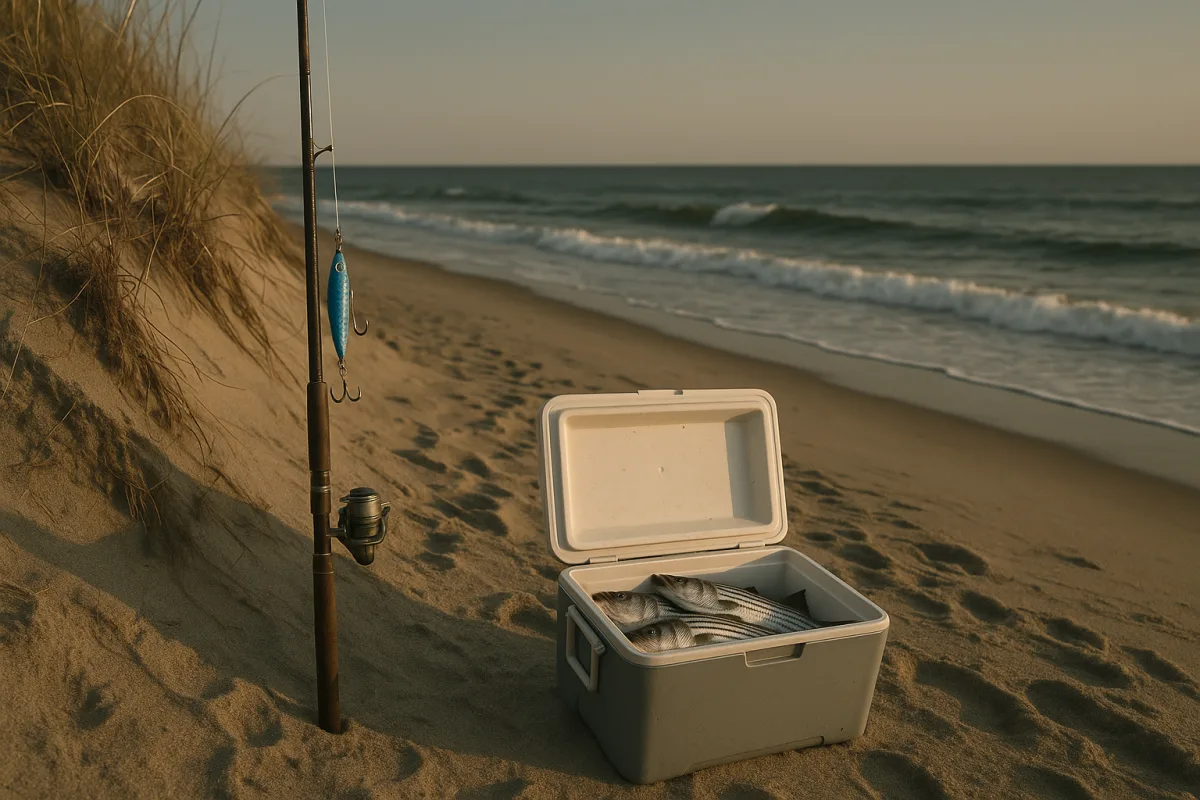
Understanding Seasonal Fish Species for Surf Fishing: A Year-Round Guide
As surf fishing enthusiasts plan their trips throughout the year, it is crucial to understand the seasonal availability of various fish species. Notably, significant shifts in fish populations and their migratory patterns have become apparent, prompting anglers to adapt their strategies accordingly. This analysis will highlight what species to target in different seasons based on established patterns, regional variations, and the environmental factors influencing these changes.
Winter: January to March
During the winter months, surf fishing can be less predictable, but striped bass still present a viable target along the East Coast, particularly in New Jersey. Reports indicate that while these fish can be caught, their presence is often inconsistent, and success varies significantly depending on weather conditions and local regulations [1]. Thus, while it is possible to catch striped bass in winter, it is essential to recognize that fishing conditions may not be optimal.
Spring: April to June
As the season shifts toward spring, the dynamics of surf fishing begin to change. Striped bass continue their migration northward, and by late April, bluefish start to make their appearance. The combination of these two species creates exciting opportunities for anglers, especially as the waters warm and baitfish become more prevalent [1].
The migration of bluefish is often heralded by rising water temperatures, and while the exact timing can fluctuate from year to year, targeting these species during their peak migratory period can yield significant results. Anglers should focus on dawn and dusk for the best chances, as both species are notably more active during these times [2].
Summer: June to August
Summer brings a shift in the species composition. Fluke, or summer flounder, become the primary target alongside bluefish. Fluke thrive in warmer waters, and their peak activity occurs during this season [6]. As baitfish schools increase, both fluke and bluefish can be found near structures such as jetties, piers, and sandbars, where they feed on smaller fish.
During the summer months, the effectiveness of fishing gear becomes critical. Anglers should utilize appropriate tackle, such as lighter spinning rods and suitable hooks, to enhance their catch rates [3]. Common mistakes include fishing at the wrong times or using inappropriate gear, which can significantly hinder success.
Fall: September to November
The fall months are often considered the peak season for surf fishing, particularly for striped bass and bluefish. As baitfish migrate toward the shore, these predators become increasingly active. October and November are frequently cited as prime months for targeting striped bass, although some reports suggest that conditions can remain favorable into December [1].
The fall not only offers the best fishing opportunities but also presents challenges. Anglers need to be aware of shifting weather patterns and the influence of tides on fish activity. Timing their trips around these factors can greatly increase their chances of a successful catch [2].
Winter: December
As winter re-emerges, striped bass can still be targeted, though their activity significantly decreases. Conditions become less predictable, and anglers may find it more challenging to locate fish. The decline in water temperatures often leads to decreased feeding activity, and fishing success can be quite variable [1].
Regional Variations in Species Availability
While the general seasonal trends provide a framework, regional variations significantly impact the surf fishing landscape. For example, in the Mid-Atlantic, the focus shifts to warmer-water species during summer, while the Southeast sees consistent availability of red drum and flounder [1]. The Gulf Coast has distinct seasonal migrations, with pompano surfacing in spring and fall, and redfish available year-round [4].
On the West Coast, surf perch are a popular target, preferring warmer water temperatures. Their availability can differ based on local climatic conditions and the specific habitats they occupy [9]. Understanding these regional nuances is critical for anglers planning their trips and targeting the right species.
Environmental Factors Influencing Seasonal Patterns
The movements of fish species are heavily influenced by environmental factors including water temperature, bait availability, and tidal movements. For instance, the exact timing of migrations can vary based on annual temperature fluctuations and ecological changes [2].
While some species may exhibit predictable behaviors, there remains a level of uncertainty regarding the impacts of climate change on fish populations and migratory patterns. Unfortunately, limited research exists on how these changes affect seasonal fishing strategies, leaving anglers to rely on traditional knowledge and local observations [1].
Common Mistakes to Avoid
For anglers looking to maximize their surf fishing success, avoiding common pitfalls is essential. These include:
Targeting Species Outside Their Peak Months: Attempting to catch fish outside their typical migratory windows often leads to disappointment. Understanding when species are most active is crucial.
Ignoring Optimal Fishing Times: Dawn and dusk are typically the best times to fish in the summer months. Overlooking these windows can result in missed opportunities.
Using Inappropriate Gear: Different species require specific gear. Using the wrong tackle can significantly hinder success rates.
Overlooking Tidal Movements: Tides play a crucial role in fish activity. Not considering this factor can lead to poor fishing outings.
Neglecting Water Temperature Effects: Water temperature directly impacts fish behavior. Ignoring this can lead to reduced catch rates.
Conclusion
Understanding the seasonal patterns of fish species in surf fishing is essential for planning successful outings. By recognizing the migratory behaviors of species like striped bass, bluefish, and fluke, anglers can better align their efforts with optimal fishing conditions. Furthermore, being aware of regional variations and the environmental factors that influence fish availability will enhance fishing strategies year-round.
As surf fishing continues to evolve, remaining informed and adaptable will be key for anglers seeking to maximize their catch. With a clear understanding of when and where to fish, the potential for success in surf fishing becomes significantly greater.
Frequently Asked Questions
What fish species should I target during different seasons for surf fishing?
In winter (January to March), striped bass are the primary target along the East Coast, particularly in New Jersey. Spring (April to June) sees the arrival of bluefish alongside migrating striped bass. During summer (June to August), fluke and bluefish become prevalent, while fall (September to November) is considered peak season for both striped bass and bluefish as baitfish migrate toward the shore.
How do seasonal changes affect surf fishing success?
Seasonal changes significantly influence fish availability and activity levels. For instance, striped bass are more active in the fall, while fluke thrive in the summer. Environmental factors such as water temperature and bait availability also play a crucial role in determining fishing success throughout the year.
Sources
- East Coast Surf Fishing Guide, Stripers, Red Drum & Bluefish
- Striped Bass, FishMTK
- Choosing the Right Hook Size for Redfish: Dockside Guide
- Surf Fishing For Redfish - Pensacola Surf Fishing
- How to Choose the Right Hook Size for Inshore Fishing - Battlbox.com
- How to Catch Flounder: Complete Fishing Guide | West Marine
- https://fishgame.com/2025/09/lures-tips-for-texas-fall-flounder/?utm_source=openai
- Striped Surfperch: Identification, Habitat & How to Catch | FishDatabase
- PNW Surf Overview
- "Species" - Walkingangler 🐠
- Seasonal variation and response of surf zone fish assemblages to environmental variables in the Northeast Pacific - ScienceDirect
- Outer Banks Surf Fishing | Outer Banks, NC
- OBX Fishing by Month: What's Running (Surf, Pier, Offshore)
- Surf Fishing Gear Guide: Essential Equipment for California Beaches | Blog
- California Halibut Fishing, Swimbait Tactics & Sandy Bottom | Fish City
Related Articles
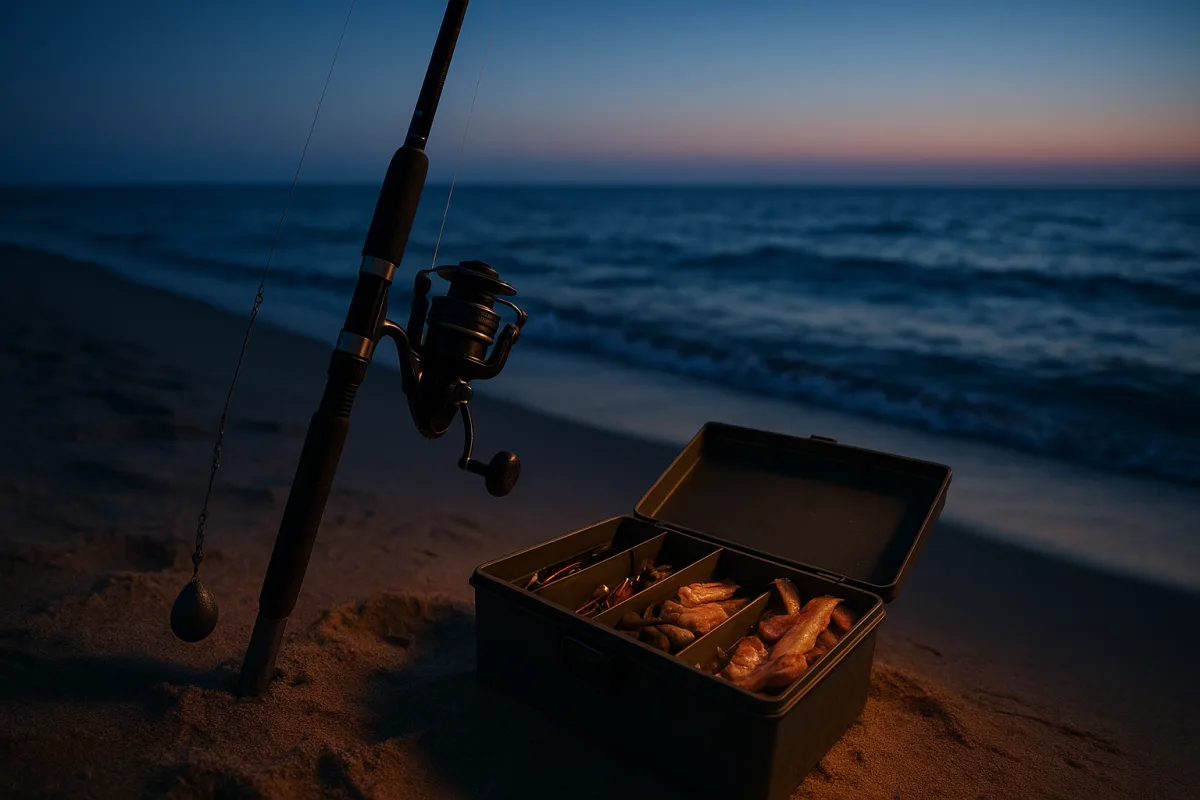
Fish in Season for Surf Fishing: Regional Seasonal Guide
Discover which fish are in season for surf fishing by region and month to plan your best catch with this detailed seasonal guide.
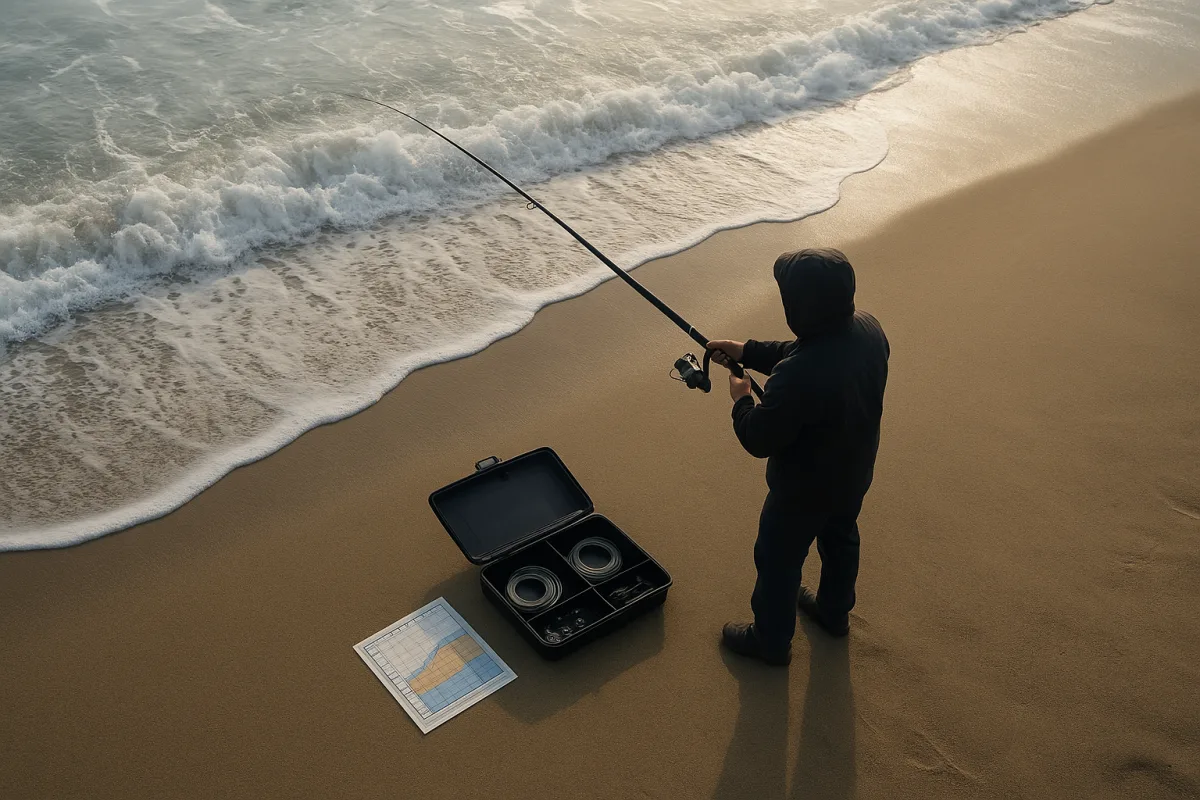
Best Season for Surf Fishing: Timing by Species and Region
Discover the best season for surf fishing by species, region, and water conditions to plan your ideal surf fishing trip.
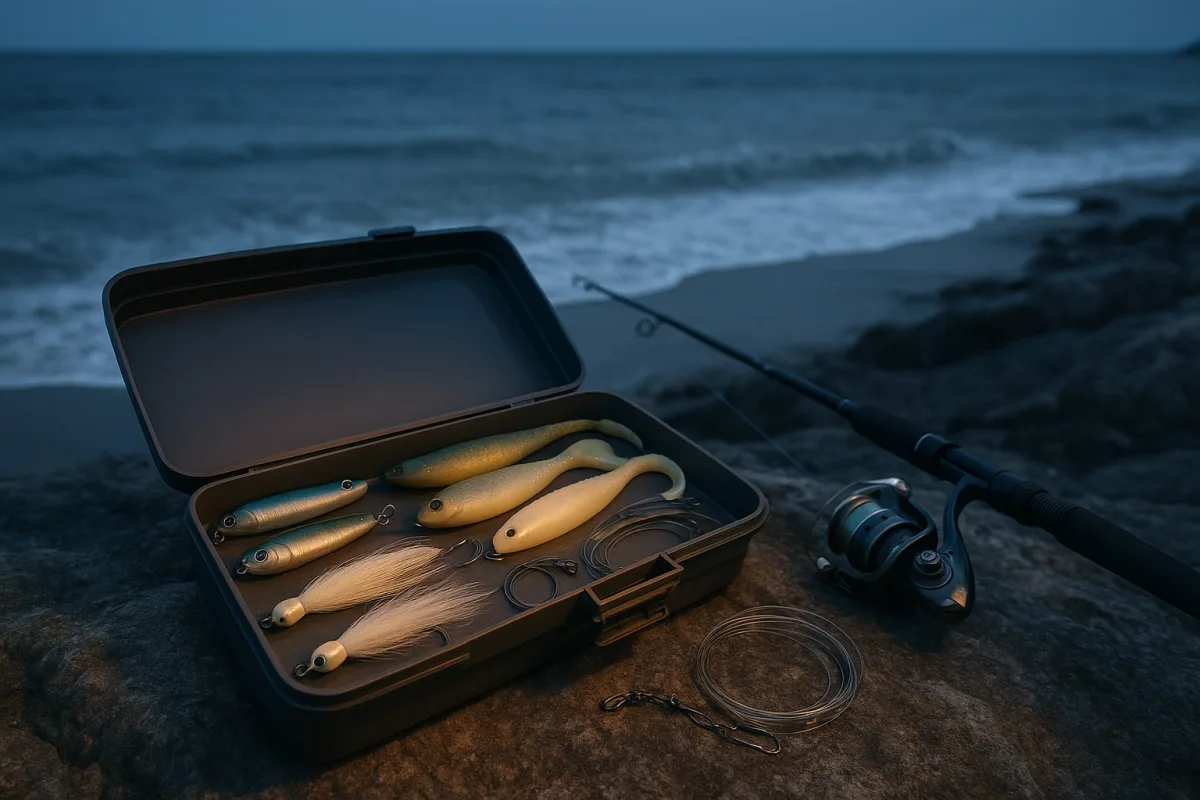
Spring Surf Fishing Lure Selection
Learn how to select surf fishing lures in spring by matching lure types and colors to fish species, tides, and water conditions for better catches.
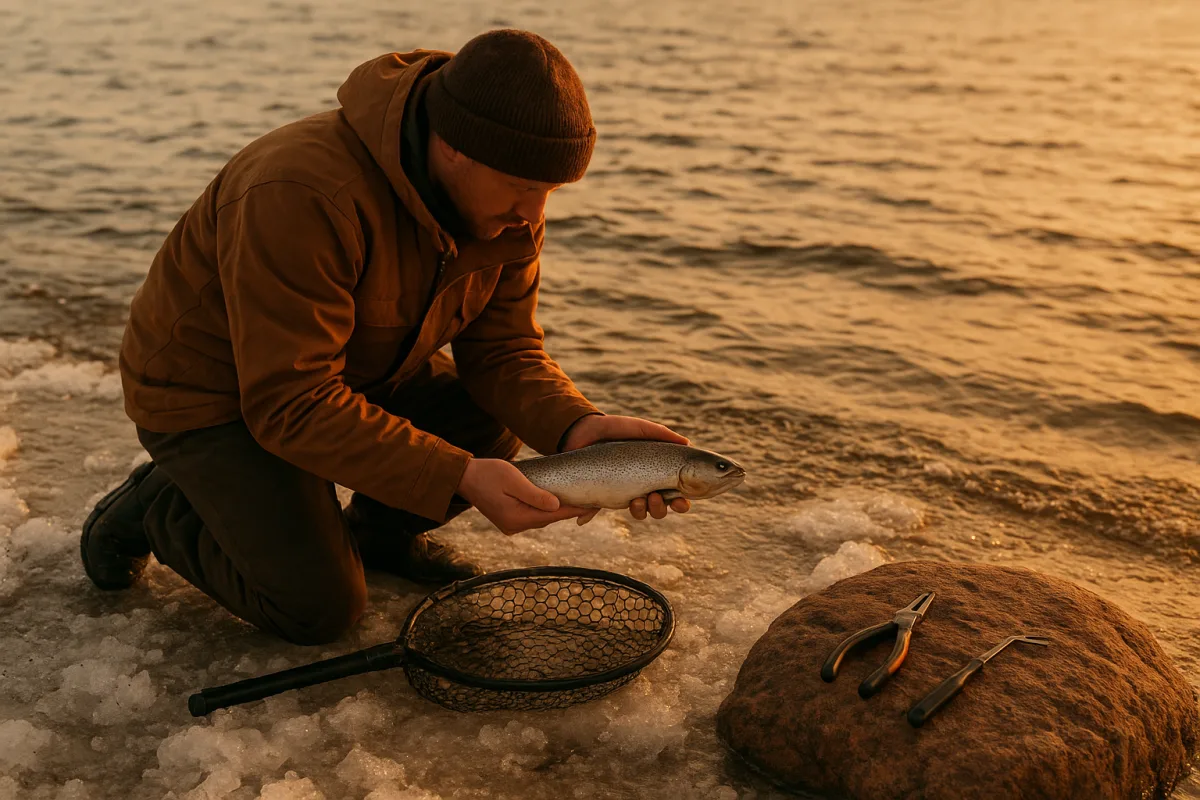
How to Handle Fish After Catching: Proper Techniques
Learn how to handle fish after catching with proper techniques to minimize harm and improve catch and release success.