Fish in Season for Surf Fishing: Regional Seasonal Guide
Discover which fish are in season for surf fishing by region and month to plan your best catch with this detailed seasonal guide.
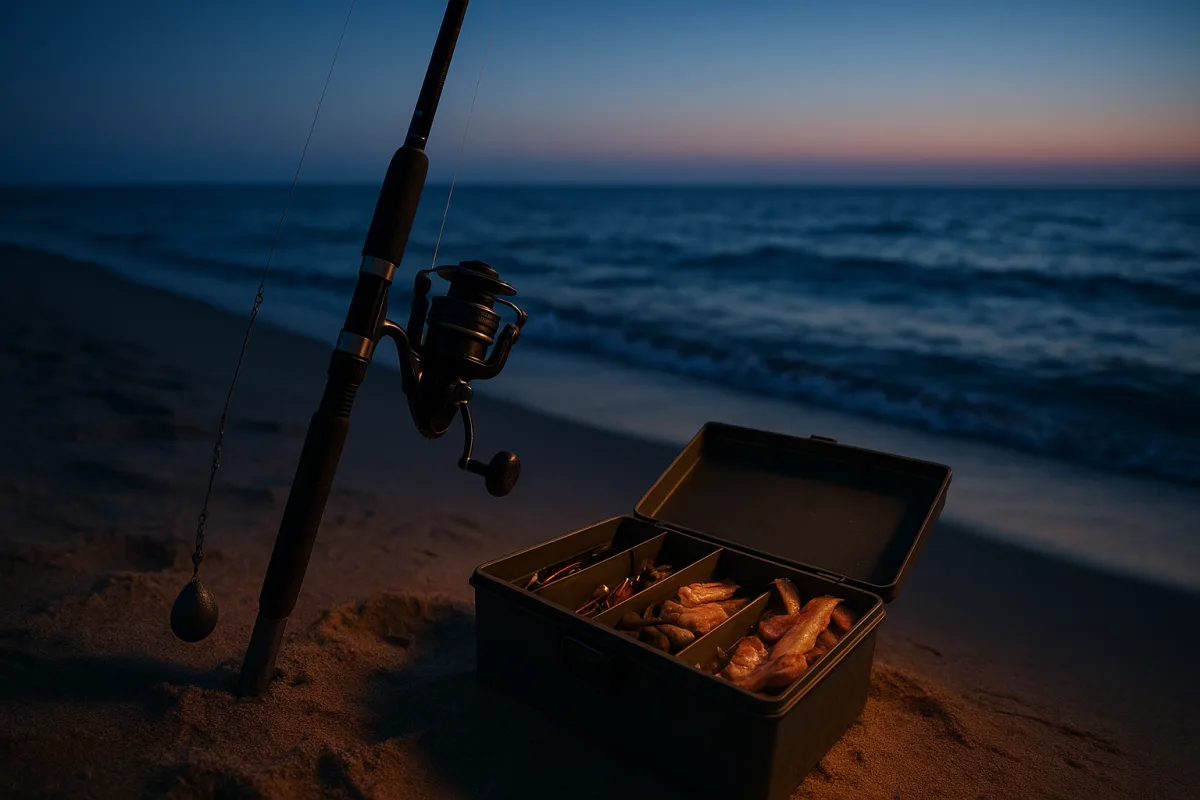
The shift is toward narrower seasonal windows
The useful change in surf fishing planning is not that fall suddenly produces more fish. It is that anglers have better reason to treat seasonal availability as a regional schedule, with separate windows for separate coastlines.
Several independent regional reports point in the same direction. New Jersey shore guidance identifies an autumn striped bass window from September through November, while Connecticut reporting describes an October fall-run focus, and Northeast surf guides place tautog at the start of its fall season. [6][12][18]
Further south, the timing changes rather than disappearing. Gulf Coast guidance places red drum in a year-round fishery with a strong fall peak, while North Carolina’s October reporting concentrates on red drum and the late-season movement of other inshore species. [10][11][16]
Florida’s Space Coast adds another important distinction. Coastal Angler’s October forecast identifies an early pompano wave in October, but says larger fish are more associated with November, which matters when deciding whether a dedicated pompano trip is justified. [9]
That is the trend worth acting on: surf anglers are increasingly planning around a fish’s local seasonal movement, not around a calendar label such as “October fishing.” A fall tide can be excellent and still produce little if the target species has not arrived.
The Northeast fall run is real, but it is not one fishery
On the New Jersey coast, striped bass are listed as a spring fish from April through June and a fall fish from September through November. Bluefish peak around June and again in September, while blackfish, commonly called tautog, come into their October and November period. [6]
That overlap can make the Northeast seem simple, but it is not. Striped bass and bluefish often reward mobility and casting range around bait, while tautog are structure-oriented fish that belong near rock, jetties and hard bottom rather than open sand.
The Fisherman’s coverage of Smith Point Outer Beach and The Beach Angler’s Northeast fall guidance both reinforce the practical importance of the fall migration. Their shared message is that bait movement, current and beach access matter more than simply arriving during a named month. [17][18]
A productive project plan for this region starts with the species. An angler targeting striped bass should look for bait pushed along a bar edge, through a cut or along a trough on a moving tide. An angler targeting tautog should not use that same open-beach plan.
Massachusetts regulations provide a good example of why seasonal availability and legal availability must be separated. Cod is open from September 1 through October 31 in the Western Gulf of Maine, with one fish allowed at a 23-inch minimum, but remains closed in Southern New England. [5]
Atlantic bluefin tuna is an even clearer warning against broad assumptions. The federal harpoon-category fishery closed on July 20 for the remainder of 2026, so an angler cannot treat a visible fish or a historical calendar as permission to pursue it. [22]
North Carolina has short windows that change the plan
North Carolina’s surf season is more than an extension of the Northeast calendar. Red drum are a central October target, while pompano have a documented June and July window, showing why a summer pompano setup cannot automatically be carried into autumn. [8][11][16]
The state’s 2026 flounder opportunity is especially narrow. The season runs from September 1 through September 14, with a one-fish daily limit and a minimum length of 15 inches, according to Axios reporting on the reopening. [1]
That is not a minor administrative detail. A surf angler who plans a late-September flounder trip around an old season pattern is planning for a fishery that has already closed, even if flounder remain physically present near the beach.
For October North Carolina red drum, a bottom presentation makes more sense than chasing a generalized “fall bite.” Cut mullet, shrimp and blue crab are the documented bait choices, while soft plastics and topwater plugs fit active fish when water and bait conditions justify them. [10][16]
A fish-finder rig is a practical default for this job. Use a sliding sinker, a 4 to 8 ounce weight according to sweep and surf height, a 24 to 36 inch fluorocarbon leader in the 40 to 60 pound range, and a 5/0 to 8/0 circle hook. [13][14]
The heavier end of that sinker range is not an upgrade for every day. It is for maintaining bottom contact in stronger current and larger surf. If a lighter weight holds reliably, excess lead simply reduces sensitivity and makes the bait presentation clumsier.
Florida and the Gulf reward patience with pompano
The Gulf Coast enters fall with a different set of priorities. Pompano can show in early October, red drum remain available year-round with a fall peak, and whiting and croaker provide more dependable surf options when the headline species are scarce. [10]
The Space Coast forecast is more specific than the usual “pompano are running” claim. It identifies an early October wave, but associates larger fish with November, so an angler seeking table-size pompano should consider timing rather than assuming the month guarantees them. [9]
For pompano, the bait list is narrow for a reason. Sand fleas, shrimp and Fishbites are established choices, while colorful jigs and small spoons make sense when fish are feeding actively enough to chase a moving offering. [9][10]
A smaller, lighter presentation is generally more appropriate for pompano and whiting than the red drum rig described above. The aim is to place bait in the nearshore trough where these fish feed, not to throw the heaviest sinker possible beyond every bar.
Whiting are a useful reality check for anglers building a Gulf trip around pompano. Shrimp and Fishbites on natural-bait rigs remain sensible when the pompano are absent, and there is no evidence in the 2026 research of a new rig trend that replaces that basic approach. [10][13]
Rig for what is actually present
For striped bass, the standard fish-finder arrangement remains relevant because it allows a bait to sit naturally while the sinker holds position. The documented setup calls for a 3 to 6 ounce sliding sinker, 20 to 40 pound braid, and a 24 to 36 inch fluorocarbon leader. [14][15]
Fresh bunker chunks, live eels and sand worms fit that striped bass approach. Topwater plugs and metal jigs have a place when fish are visibly working bait, but a lure is not automatically superior when bass are holding deeper in a trough. [15][18]
Bluefish change the terminal-tackle calculation because teeth are part of the problem. Cut bait, metal jigs and swimming plugs are all documented options, but an angler should expect cleanly cut leaders if using a setup intended only for striped bass. [6][13]
Flounder demand another change of pace. Live minnows, strip baits and Gulp-style baits are associated with fish feeding close to the bottom, where a slow presentation along a channel edge or trough is more sensible than a high-speed retrieve. [1][13]
Sharks are not a lure fish under the available guidance. Whole-fish baits are the documented option, and no detailed October 2026 seasonal availability data supports presenting sharks as a reliable regional target beyond that bait recommendation. [10][13]
Read the beach again after weather
Seasonal timing gets fish into an area, but beach structure determines whether they can feed within casting range. The useful features are troughs, cuts through bars and current seams, because each can concentrate bait or give fish a travel lane.
Those features are temporary. Nor’easters and other storms can move sand, fill cuts and create new troughs, which means a productive setup from last week may be fishing over featureless bottom after one rough tide cycle.
The evidence is thinner on exact post-storm patterns than it is on seasonal dates, so certainty is misplaced here. The practical response is to arrive early, watch the water, and identify moving water before selecting a rod position.
A cut is not automatically good merely because it looks dramatic. It needs enough water movement to carry food without becoming unfishable, and the surrounding bar must provide a reason for bait and predators to use that crossing.
Big surf also changes the safety calculation. Wear a personal flotation device around jetties or in heavy conditions, avoid standing on unstable rocks, and do not treat a strong fall run as a reason to fish water that cannot be exited safely.
Regulations are part of seasonal availability
A fish can be present, feeding and still unavailable for harvest. That distinction becomes especially important in October 2026, when several closures and regional restrictions sit alongside otherwise productive seasonal fishing.
In the Gulf of Mexico, gag grouper season closed on October 1, while greater amberjack remains open only until October 14. Those dates come from NOAA Fisheries, not a local bite report, and they should control trip planning. [4]
California anglers face a different kind of restriction. Northern anchovy harvest for human consumption in Monterey Bay has been prohibited since September 11 because of domoic acid, though anchovies remain allowed for bait under the California regulations. [3]
Pacific surf anglers also need to distinguish broad bag limits from a seasonal forecast, because the available research does not establish West Coast peak surf-fishing seasons. Surfperch allow 12 fish daily with no size limit, while lingcod require 22 inches and are limited to two. [2][3]
California rockfish regulations allow seven fish with no stated size limit in the supplied briefing, but yelloweye and canary rockfish must be released. California also allows one leopard shark per day. Rules around the Cordell Bank Groundfish Conservation Area changed effective June 23. [3][24]
The planning lesson is unsentimental. Pick a coast, identify the fish that are documented to be in season there, build the rig around their feeding behavior, then check current rules before buying bait. A favorable tide cannot repair a bad seasonal assumption.
Frequently Asked Questions
What fish are in season for surf fishing in October?
In October, surf fishing targets vary by region. In the Northeast, striped bass and tautog are in season, with striped bass peaking from September through November and tautog starting their fall season. The Gulf Coast features a strong fall peak for red drum, which is a year-round fishery, and Florida’s Space Coast sees an early, less reliable pompano run.
Which fish species migrate during surf fishing seasons?
Several species show regional migration patterns in the fall. Striped bass migrate along the Northeast coast with a fall run from September to November. Red drum exhibit a late-season movement in North Carolina and peak in the Gulf Coast during fall. Pompano on Florida’s Space Coast begin appearing in October but are more abundant in November.
How do regional seasons affect surf fishing targets?
Regional seasons create distinct windows for different species, so anglers plan around local migration schedules rather than generic calendar months. For example, striped bass have a fall run in the Northeast, red drum peak in the Gulf Coast, and pompano runs develop later in Florida. Local beach conditions and bait availability also influence fish presence, requiring anglers to adapt to changing environments.
What are the best fish to catch surf fishing in the Northeast in fall?
The best fall surf fishing species in the Northeast include striped bass, bluefish, and tautog. Striped bass peak from September through November, bluefish have a secondary peak in September, and tautog begin their season in October and November. Targeting striped bass often involves fishing near bars, cuts, or troughs where bait concentrates, while tautog prefer rocky structures and jetties.
When is the red drum surf fishing season in the Gulf Coast?
Red drum is a year-round fishery in the Gulf Coast but has a strong fall peak, particularly in October. North Carolina reports highlight red drum as a primary October target, coinciding with late-season movements of other inshore species. Anglers typically use heavier sinkers (4 to 8 ounces) and cut bait to fish for red drum in surf conditions.
How we researched this
This article was assembled from 24 cited references.
Nothing here is based on hands-on testing. Where a figure or finding appears, it belongs to the source cited beside it, and the writing says so rather than implying otherwise. Every source is listed below so you can check it.
Sources
- Flounder fishing returns ahead of Labor Day weekend
- Fishing - Olympic National Park (U.S. National Park Service)
- Current California Ocean Recreational Fishing Regulations - Southern Region
- Fishing Regulations and Seasonal Closures in the Gulf of America | NOAA Fisheries
- Recreational saltwater fishing regulations | Mass.gov
- Jersey Shore Fishing FAQ — BaitWatch
- What's biting · Shoreline Scout
- Surf Fishing in Indian Beach NC: A Crystal Coast Guide | Indian Beach, NC
- Space Coast Surf Fishing Forecast – October 2026 - Coastal Angler & The Angler Magazine
- Gulf Coast Surf Fishing Guide — Redfish, Pompano & Sharks
- October Fishing Near Pine Knoll Shores, Bogue Banks | Pine Knoll Shores, NC
- Norwalk, CT Fishing Report — October 2026 Conditions
- Surf Fishing Guide: Rigs, Baits, Best Beaches & Techniques | One…
- Surf Fishing Line Setup: Braid, Leader & Rig Guide
- Striped Bass Surf Fishing Tackle & Techniques
- How To Fish Off Surf In Nc In October - Foragefish
- Hot Spot: Smith Point Outer Beach - The Fisherman
- 10 Tips for Fall Surf Fishing In The Northeast - The Beach Angler
- Surf Fishing on Amelia Island | Beaches, Bait, Tides & Gear – Amelia Island Bait & Tackle
- Surf Fishing Guide | Gear, Rigs & Beach Reading – Tackle Room
- Surf Fishing 2026 — Catch More from Shore | FishingWorldGuide
- Atlantic Highly Migratory Species; Atlantic Bluefin Tuna Fisheries; Closure of the Harpoon Category Fishery for 2026 | 91 FR 45225
- Surf fishing
- Magnuson-Stevens Act Provisions; Fisheries off West Coast States; Pacific Coast Groundfish Fishery; Cordell Bank Groundfish Conservation Area Revisions, 37341-37348 [2026-12566] :: National Oceanic And Atmospheric Administration :: Department Of Commerce :: Regulation Tracker :: Justia
Related Articles
Surf Fishing Seasonal Windows: When to Target Key Species
Discover surf fishing seasonal windows by species and region to plan trips for Atlantic pompano, Gulf redfish, and more with tide and light tips.
Best Season for Surf Fishing: Timing by Species and Region
Discover the best season for surf fishing by species, region, and water conditions to plan your ideal surf fishing trip.
Seasonal Surf Fishing Strategies: A Year-Round Guide
Learn seasonal surf fishing strategies to target fish effectively throughout the year. Discover what species to catch and when.
How to Handle Fish After Catching: Proper Techniques
Learn how to handle fish after catching with proper techniques to minimize harm and improve catch and release success.