Best Season for Surf Fishing: Timing by Species and Region
Discover the best season for surf fishing by species, region, and water conditions to plan your ideal surf fishing trip.
The shift is from “best season” to “best window”
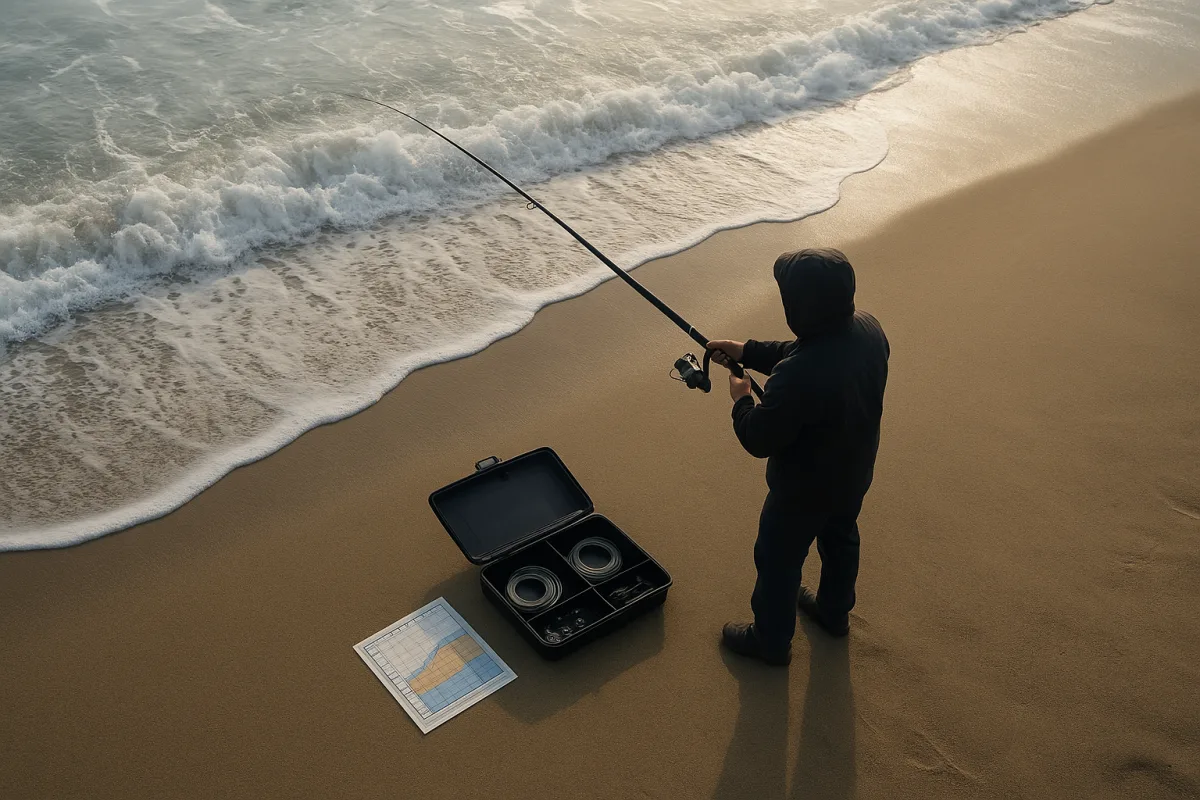
The useful shift in surf-fishing planning is away from asking which season is best in general, and toward identifying short regional windows when a particular fish has warm or cool enough water, food in the surf and safe access to structure.
That is not just a change in wording. Outer Banks guides concentrate on the fall red drum run, Space Coast reporting focuses on September snook, Southeast pompano guidance splits the opportunity between spring and fall, and California reporting separates surfperch, croaker and rockfish timing. [3][4][5][6]
Those are independent sources describing the same practical reality: the beach may be fishable for something in every month, but the fish worth planning a trip around change. A calendar without species and location is only a rough starting point.
The evidence is strongest in regional fishing reports and seasonal guides, not in a unified national catch-rate study. No comprehensive 2026 forecast ties every coast, species, storm and tide into one proven “best season” calendar, so broad claims need restraint.
For trip planning, autumn remains the safest general answer on much of the Atlantic and Gulf coasts. It brings cooling water, bait movement and migrations, but it is not automatically better than spring, and it is not a substitute for reading the tide chart.
Why the calendar is becoming less useful by itself
Season matters because water temperature controls where many surf species can remain comfortable and feed actively. Pompano are commonly associated with water around 68 to 75 degrees Fahrenheit, striped bass with roughly 55 to 68 degrees, and snook with about 72 to 84 degrees. [8]
Those ranges overlap with familiar seasonal runs, but they explain more than a month on a calendar can. A warm autumn may hold summer fish farther north, while an abrupt cold front can move a temperature-sensitive bite before the traditional peak date.
Migration adds the second part of the pattern. Atlantic striped bass are mainly planned around spring and fall movement, while pompano generally move north in spring and south in fall. The fish are not observing a date, they are following suitable water and available forage. [5][8]
That makes local reports more important close to departure. Northern Beaches, North Carolina reporting in September 2026 and Long Beach Island, New Jersey reporting both provide a more immediate read on what is actually present than a generic annual fishing calendar. [9][10]
The third factor is access. A fish can be close to the beach, yet out of practical reach if a bar is covered, a trough has filled, an onshore wind has dirtied the water, or swell has made the shoreline unsafe.
The seasonal windows worth planning around
On North Carolina’s Outer Banks, September through November is the established planning window for red drum. Cooling conditions and fall migration make the region one of the clearer cases where autumn deserves priority, particularly for anglers prepared to fish more than one tide. [3][15]
That does not mean every Outer Banks beach produces through the whole period. Look for a cut through the outer bar, a defined trough inside it and water moving through the cut. A featureless, sanded-in beach can make a good seasonal run frustratingly inaccessible.
The Southeast Atlantic provides a better example of why two seasons can beat one. Pompano commonly offer spring opportunity in April and May, then another strong period in October as fish move south with cooling water. [5]
For a pompano trip, water temperature is more useful than calling October universally prime. If water is still above the usual comfort range, fish may not have moved into the expected surf zone. If it falls sharply, the run can advance quickly. [5][8]
Florida’s Space Coast has a separate autumn proposition. Coastal Angler’s September 2026 forecast identifies snook as a seasonal surf target, reflecting the warm-water requirements of a species that does not fit the cold-water logic used for striped bass. [4][8]
That distinction matters when planning a mixed-species trip. A cool, windy day that improves an autumn drum or bass prospect may not be the condition to build a snook trip around. “Fall fishing” is not a species-specific forecast.
The Gulf Coast is less constrained by a single closed seasonal window. Redfish can be caught year-round, with a fall peak, while spring is commonly associated with kingfish and cobia. Yellowfin tuna and wahoo are available near offshore rigs, but that is not ordinary beach fishing. [7]
A Gulf angler planning from shore should therefore treat fall redfish as the most reliable broad target, then select beach access and bait around that fish. Planning for offshore-rig pelagics requires a different platform, range and safety calculation. [7]
On the Southern California coast, surfperch have a long September through May window, while yellowfin croaker are more associated with June through September. Northern California reporting identifies September as a worthwhile rockfish period. [1][6]
California is also where simplistic timing can fail quickly. State guidance and regional reports describe fisheries with different rules, habitats and seasonal availability, so anglers should verify local regulations and species status before treating a seasonal mention as permission to target them. [1][6]
Los Cabos is another regional exception. June through September is commonly identified as the stronger roosterfish season, which is nearly the opposite of the Atlantic angler’s autumn-first habit. A national answer to the best season is not useful there. [16]
Tide and structure decide whether the seasonal run is reachable
Once the seasonal window is right, tide decides whether fish can use the water in front of you. Incoming and outgoing water can both produce, but they do different jobs and should be read against the structure rather than treated as automatic feeding periods. [14][19]
High water lets fish reach shallow troughs, sloughs and beach edges that may be too skinny at low tide. That can favor fish feeding close to shore, especially where a bar creates a protected inner lane with moving water. [14][19]
Falling water can concentrate bait and drain food through a cut. A bar gap, rip channel or trough outlet becomes more valuable when the current gives fish a route and gives you a defined place to put a bait. [19]
Slack water is not necessarily dead. Bottom-oriented fish can still feed when the current eases, though a completely still, clear and featureless flat is rarely a strong reason to expect a sustained surf bite. [14][17]
Tide tables for Wildwood Crest and Lauderdale-by-the-Sea provide times and heights, but not an answer to where the fish will stand. [11][12] Use the chart to choose an arrival time, then spend daylight looking for troughs, points, seams and water color changes.
A sensible plan is to arrive one to two hours before a chosen high or low-water transition. That gives time to see the exposed bars, identify the deepest water and watch how the first moving tide uses each cut.
Rigs should follow the fish, not the month
There is no evidence of a major 2026 tackle change that makes seasonal surf fishing fundamentally different. The established starting point remains a 10 to 12 foot surf rod, 20 to 30 pound braided line and a 30 to 60 pound fluorocarbon leader. [17][18]
That range suits general casting distance, line control and abrasion resistance, but it is not a universal prescription. Use the lighter end where small baits and modest surf are expected, and move heavier when current, larger bait or abrasive structure demands it.
A fish-finder rig is the more adaptable choice when a fish may pick up a moving bait and when you want the sinker to stay put while the bait has some freedom. It is a sensible general option for larger individual baits. [18]
A high-low rig better matches a small-bait, multiple-hook approach, particularly for species such as pompano, surfperch and croaker that may feed over a narrow strip of bottom. The rig is useful because it presents baits at more than one height. [18]
Fresh local bait matters more than changing hardware every season. Pompano guides emphasize baits and tide awareness, while general surf-fishing guides consistently place beach reading, bait presentation and location ahead of buying specialized seasonal tackle. [5][14][17]
Do not let a seasonal label dictate a rig before looking at conditions. A high-low rig in heavy sweep may tumble and drag, while a large fish-finder bait on a calm beach with small croaker present can be unnecessary and inefficient.
Weather can cancel the best seasonal plan
The major qualification in 2026 is weather volatility. Coastal lows, nor’easter conditions and heavy swell can produce dangerous surf, strong currents and beaches that are effectively unfishable regardless of migration timing. [21]
The Washington Post reported huge waves and dangerous currents at Southern California beaches during a storm event, a useful reminder that a warm-water seasonal opportunity does not outweigh beach safety. [2] A productive tide is irrelevant if access is unsafe.
Storms can improve structure after they pass by cutting new troughs and bar gaps, but that is not a reason to fish the peak of hazardous conditions. Wait until the surf settles enough to read the water and cast without being forced to retreat.
For a trip planned weeks ahead, check the marine forecast, wind direction, swell period, tide height and local beach advisories again the day before departure. A coastal low can turn a carefully chosen autumn weekend into a day to stay off the sand. [21]
A practical way to plan the trip
Start with one target species and one regional window. For example, plan Outer Banks red drum for September through November, Southeast pompano for April to May or October, Space Coast snook for early fall, or Southern California croaker for summer. [3][4][5][1]
Next, check whether local water temperature still fits the target. If it does not, change the target or postpone the trip. Do not assume that a historical peak month guarantees the fish are within casting range. [8]
Then use a tide chart to identify a daylight high or low-water transition, and inspect the beach on the lower stage if possible. The lower water shows bars and troughs more clearly, while the later push may bring fish into the lane you identified. [11][12][19]
Finally, compare that plan with current local reports and weather. If reports show the run has not arrived, the beach has no usable structure, or swell warnings are active, the candid answer is that conditions will not produce well enough to justify forcing the trip.
Frequently Asked Questions
When is the best season for surf fishing on the Atlantic coast?
There is no single best season for the entire Atlantic coast. Fall (September through November) is generally the strongest broad planning window on many Atlantic beaches, especially in regions like North Carolina’s Outer Banks. However, spring migrations can be equally productive for species such as striped bass, pompano, kingfish, and cobia. Local conditions and species-specific timing are more important than a fixed season.
What fish species are best to target in each surf fishing season?
In the Outer Banks, red drum are commonly targeted from September to November. On the Southeast Atlantic coast, pompano offer good opportunities in both spring (April–May) and fall (October). Florida’s Space Coast sees snook surf fishing in September and October. Atlantic striped bass runs occur mainly in spring and fall, while kingfish and cobia are more associated with spring.
How do water temperature and tides affect the best season for surf fishing?
Water temperature strongly influences where and when fish feed actively. For example, pompano prefer 68 to 75°F, striped bass 55 to 68°F, and snook 72 to 84°F. Fish follow suitable water temperatures rather than calendar dates, so a warm or cold front can shift their presence. Both incoming and outgoing tides are productive, but the best tidal phase varies by location and species, making local tide charts essential.
Are there regional differences in the best season for surf fishing?
Yes, regional differences are significant. The Outer Banks prioritize fall for red drum, the Southeast Atlantic has spring and fall windows for pompano, and Florida’s Space Coast targets snook in early autumn. Northern and Southern California have different peak seasons for species like rockfish and surfperch. These variations reflect local water temperatures, migratory patterns, and habitat conditions.
How do seasonal migrations influence surf fishing success?
Seasonal migrations are a key factor in surf fishing success. Atlantic striped bass migrate mainly in spring and fall, while pompano move northward in spring and southward in fall. These migrations align with changes in water temperature and food availability. Because fish follow these environmental cues rather than fixed dates, migration timing can vary, making up-to-date local reports important for planning.
How we researched this
This article was assembled from 22 cited references.
Nothing here is based on hands-on testing. Where a figure or finding appears, it belongs to the source cited beside it, and the writing says so rather than implying otherwise. Every source is listed below so you can check it.
Sources
- California Beach Fishing
- Storm creates huge waves and dangerous currents at southern California beaches - The Washington Post
- OBX Fishing by Month: What's Running (Surf, Pier, Offshore)
- Space Coast Surf Fishing Forecast – September 2026 - Coastal Angler & The Angler Magazine
- How to Catch Pompano in Southeast: Baits, Season and Tides
- Northern California Fishing Report — September 2026 Seasons
- Gulf Coast Surf Fishing Guide — Redfish, Pompano & Sharks
- How Water Temperature Affects Surf Fishing: Best Temps & Fish Behavior
- 🐟 Northern Beaches, North Carolina Fishing Report Today 🎣 | September 2026
- LBI NJ Fishing Report - LBI Surf Fishing, Barnegat Bay & Inlet - LBI's Premier Fishing Report By Fishermans Headquarters
- Wildwood Crest Tides & Fishing Times
- Lauderdale-by-the-Sea, Anglin Fishing Pier Tide Chart — Tide Times, High & Low Tides
- How to Catch Pompano at Indian Beach on Bogue Banks | Indian Beach, NC
- Surf Fishing for Beginners: Reading the Beach, Right Gear & Best Times | HookCast
- Surf Fishing in the Outer Banks: Best Times of the Year
- Surf Fishing in Los Cabos | Beaches, Seasons & Gear Guide
- Surf Fishing: A Beginner's Guide | Field & Stream
- The Complete Guide to Surf Fishing Setups — Rod & Reel
- How to Find Fish in the Surf: Reading the Beach & Tides
- Surf Fishing 2026 — Catch More from Shore | FishingWorldGuide
- Coastal lows and nor'easter conditions — Fishing Weather
- Surf fishing
Related Articles
Seasonal Surf Fishing Strategies: A Year-Round Guide
Learn seasonal surf fishing strategies to target fish effectively throughout the year. Discover what species to catch and when.
Best Bait for Surf Fishing in Spring
Discover the best bait for surf fishing in spring, matching seasonal fish and tides for top results on your next beach fishing trip.
Best Times to Surf Fish in Spring: Tide and Temperature Tips
Discover the best times to surf fish in spring based on tides, water temperature, and weather for more successful fishing trips.
Best Time of Day to Surf Fish: Optimize Your Catch
Discover the best time of day to surf fish and enhance your success with tips on tides, water temperature, and seasonal patterns.