
Best Bait for Surf Fishing in Spring
Discover the best bait for surf fishing in spring, matching seasonal fish and tides for top results on your next beach fishing trip.
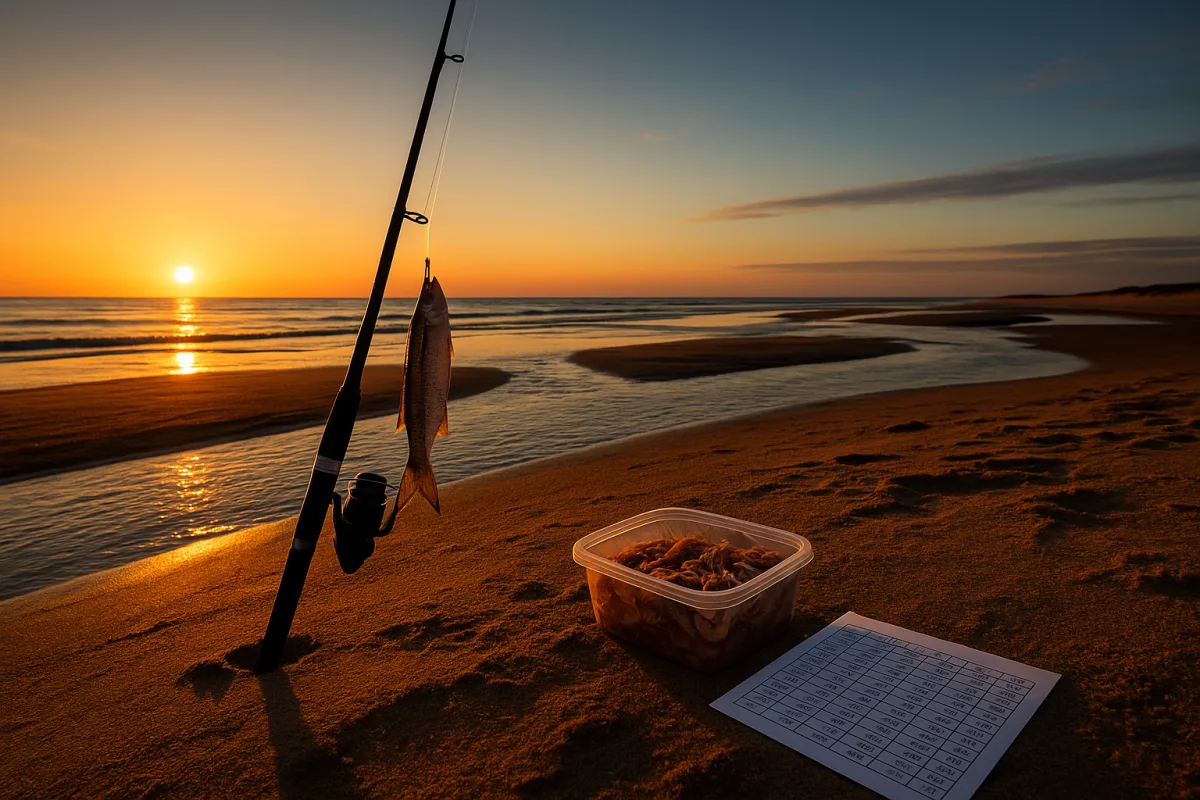
The spring shift is from general bait to seasonal forage
The useful trend in spring surf fishing is not a new miracle bait. It is a more deliberate move away from using shrimp for everything, toward matching bait to the fish arriving with warming water and the forage already present.
Several independent guides point the same direction. Topsail Guide recommends fresh shrimp for sea mullet and black drum, while One Outdoors specifies cut mullet for red drum and live finger mullet for flounder. [1][2]
That distinction matters because the spring surf is not one fishery. A beach can hold whiting in the inside trough, black drum around shell or pier structure, bluefish chasing bait farther out, and red drum moving through a cut.
A single bait may catch something, but that does not make it the best bait. The better question is which fish are realistically present in the water temperature, tide stage, and structure you intend to fish.
This is also why broad claims about “the best spring bait” tend to fail on the beach. Fresh shrimp is versatile, available, and worth carrying, but it is not a substitute for bunker where stripers are feeding or mullet where red drum are hunting.
Shrimp remains useful, but it is no longer the whole plan
Fresh shrimp is still one of the most practical spring baits for sea mullet, black drum, pompano, flounder, and many incidental catches. Topsail Guide lists it for sea mullet and black drum, particularly when those fish are feeding near the bottom. [1]
For black drum, that recommendation makes sense around bottom structure: shell, bridge debris, small jetties, trough edges, and areas where crabs and other small food collect. The fish are built to root around, not to chase a fast-moving plug.
Shrimp also belongs in the flounder conversation, although the evidence is less settled. Perfect Captain recommends small shrimp or live bull minnows, while One Outdoors favors live finger mullet on a fish finder rig. [2][5]
That disagreement is worth keeping rather than pretending there is one answer. A flounder waiting beside a drain or drop-off may eat either offering, but live finger mullet is a more committed choice where larger baitfish are present.
Use shrimp when the water remains cool, when smaller bottom feeders are the target, or when the local bait supply is uncertain. Do not keep casting it unchanged through a bluefish or striper bite just because it caught yesterday.
Mullet and bunker are the stronger choices for moving predators
Cut mullet is the clearer spring choice for red drum on many Southeast Atlantic beaches. One Outdoors recommends it on a fish finder rig, using a 3-6 ounce sinker, a 24-36 inch fluorocarbon leader rated 40-60 pounds, and 5/0-8/0 circle hooks. [2]
That is a rig built for a bait that needs to stay put in moving water. Red drum often work sloughs, cuts, and edges where current carries scent, so a sliding sinker lets the fish take the bait without immediately feeling resistance.
Bunker, also called menhaden, fills a similar role farther north and wherever bait schools are moving through. The regional guidance compiled by PierSeeker identifies bunker and clam bellies as staple Atlantic Northeast baits for striped bass. [10]
For striped bass, fresh-shucked clams and bunker chunks are more specific choices than generic cut bait. Striper Space recommends clams or bunker on fish finder rigs, with incoming water being a particularly productive time for fresh clam presentations. [4]
Do not treat the high-tide striper pattern as universal. High water can put fish closer to the bank on certain New Jersey-style beaches, but tides work through local bars, inlet flow, beach slope, and access to deeper water.
The transferable part is simpler: rising water often brings cleaner water and fresh bait onto the beach, while a falling tide can concentrate feeding fish around inlets, cuts, and channels draining the backwater. [7]
Bluefish and Spanish mackerel require a baitfish decision
Bluefish are another reason spring bait plans are becoming more species-specific. Shore-oriented bait guidance favors fresh bunker chunks, often with wire leader because bluefish teeth can quickly end a lighter terminal connection. [3]
Topsail Guide also points anglers toward small casting lures and Got-Cha plugs for bluefish. [1] These recommendations do not directly conflict, because they describe two different ways to fish the same feeding behavior.
Use bunker chunks when bluefish are moving through a defined trough or cut and you want a stationary scent bait. Use small metals or plugs when fish are visibly chasing bait and covering water quickly along the beach.
There is no strong evidence in the research brief that artificial lures consistently outperform natural bait, or the reverse, for bluefish or Spanish mackerel. The choice should follow the fish activity you can actually see.
Spanish mackerel are especially tied to baitfish presence and rising water temperatures. [1] If the water is still cold and there are no bait showers, birds, surface chops, or clean moving water, forcing a mackerel program is unlikely to produce.
This is where spring forecasting pays off. Check water temperature and wind before packing lures, then inspect the first hour of daylight for bait activity. Mackerel are not a calendar appointment, even when the date says spring.
Pompano, whiting, and surfperch reward a smaller-bait approach
Pompano are the clearest example of matching bait to natural forage. Tides & Tails recommends fresh sand fleas, or mole crabs, hooked from tail to head on 1/0-2/0 circle hooks. [9]
That presentation fits what pompano naturally find in the wash zone. Instead of casting beyond every bar, look for a shallow trough, a clean stretch of moving water, and sand flea activity where waves are turning over the beach.
Sea mullet, often called whiting, are less demanding but still respond to appropriate small offerings. Fresh shrimp, Fishbites, sand fleas, and cut bait all appear in spring recommendations, with shrimp remaining a sensible starting point. [1][5]
A high-low rig is useful here because it can present two small baits at slightly different heights above the bottom. One Outdoors identifies the two-hook high-low arrangement as a surf setup for covering multiple bait positions. [2]
On the Pacific Coast, do not import an Atlantic shrimp-and-mullet plan without adjustment. The Oregon Department of Fish and Wildlife recommends marine worms for surfperch, while regional guides also identify sand crabs and fresh shrimp as common Pacific surfperch baits. [10][12]
That regional difference is not minor. Surfperch are often feeding in close, turbulent water where sand crabs and marine worms are available. A long cast with a large bunker chunk may simply place the bait beyond the fish.
Rig choice should hold the bait where the fish expect it
The fish finder rig remains the most useful general rig for spring predator fishing because the sinker slides separately from the leader. It suits clams, bunker chunks, cut mullet, and live baits that need to sit naturally near bottom structure. [4][16]
For general surf work, published rig guidance puts fluorocarbon leaders around 18-24 inches, often in the 20-30 pound range, with hook size scaled to the bait and species. [16][17] Those dimensions are a starting framework, not a coast-wide rule.
Longer leaders can make a bait drift and flutter more, but they also cost casting distance and tangle more easily. The Fuzz Daily and The Beach Angler both emphasize the practical tradeoff between leader length, casting, and tangles. [17][18]
That matters in spring wind. A beautiful long leader is not useful if it helicopters around the main line on every cast, leaves your bait spinning, or prevents you from reaching the trough beyond a close sandbar.
Use a pyramid sinker on a high-low rig when you need the rig to hold in moving wash. Use a sliding egg sinker or comparable fish finder arrangement when fishing larger single baits for fish that may pick up and move off. [16]
There is no solid research in the brief showing that rod and reel category alone changes bait effectiveness. Focus first on sinker weight, leader length, hook size, and whether the rig keeps bait in the feeding lane.
Temperature tells you whether to fish scent, movement, or neither
Water temperature is the part of the forecast that changes bait selection before you reach the beach. Below 50°F, fish are generally less active, and fresh natural baits fished in deeper water are the better starting point. [6]
In those colder conditions, do not expect aggressive spring lure fishing to save a poor setup. Find the deepest available trough, a protected side of an inlet, or a warmer afternoon window, then fish fresh shrimp, clam, worm, or cut bait patiently.
As water moves into the 65-75°F range, more species feed actively, including striped bass in the temperature range identified by AZKNS Fishing. [6] That is when baitfish patterns become more important than merely getting scent into cold water.
Still, temperature does not override structure. A warm flat with no depth, no bait, and no moving water can be empty. A cooler trough beside a cut may hold fish because it gives them a travel route and food delivery.
What this means for a spring bait plan
Build the bait plan around two target groups rather than one all-purpose bucket. Carry a small-bait option, such as shrimp, sand fleas, worms, or Fishbites, and a larger baitfish option, such as cut mullet, bunker, or clam.
On a Southeast Atlantic beach, shrimp and cut mullet cover different jobs: shrimp for sea mullet and black drum, cut mullet for red drum, and either shrimp or live bait for a possible flounder. [1][2]
On an Atlantic Northeast beach, clam and bunker make more sense for striped bass than relying on shrimp. On the Outer Banks, local guidance lists bloodworms, squid, shrimp, and cut bait, reflecting a mixed surf fishery rather than one dominant bait. [10][11]
For Pacific surfperch, start with marine worms or locally collected sand crabs where legal and available. [10][12] The bait should resemble what the waves are already digging out, not what happens to be left in the cooler.
Avoid buying bait by a supposed national price average. The available research does not establish reliable coast-wide spring 2026 bait pricing, and live bait costs vary sharply by region, season, and local supply.
The practical trend is not more expensive bait. It is fewer blind choices. Read the tide chart, check water temperature, look for baitfish and working birds, then choose a bait that belongs in that exact piece of moving water.
Frequently Asked Questions
What is the best bait for surf fishing in spring?
The best bait depends on the target species and local forage rather than a single universal choice. Fresh shrimp remains practical for sea mullet, black drum, pompano, and some bottom feeders, especially in cooler water below 50°F. For predators like red drum and striped bass, cut mullet and bunker chunks are more effective as water warms and baitfish move through the surf.
Which bait works best for red drum in spring surf fishing?
Cut mullet is the preferred bait for red drum in many Southeast Atlantic beaches during spring. It is typically fished on a fish finder rig with a 3–6 ounce sliding sinker, a 24–36 inch fluorocarbon leader rated 40–60 pounds, and 5/0–8/0 circle hooks to allow the bait to stay in place in moving water and let the fish take it without resistance.
How does water temperature affect bait choice for surf fishing in spring?
Water temperature influences fish activity and bait selection. Below 50°F, fish are less active, so fresh natural baits like shrimp are recommended, and fishing deeper troughs is advised. As water warms to 65–75°F, species such as striped bass become more active, making baitfish-based baits like bunker and clams more effective.
What bait should I use for striped bass surf fishing in spring?
Striped bass respond well to fresh-shucked clams and bunker chunks, especially during incoming tides. These baits are typically presented on fish finder rigs. While high tide can concentrate stripers near the bank in some regions, local beach features and tide flow should guide bait choice and fishing location.
Are shrimp or mullet better for surf fishing in spring?
Shrimp is better suited for smaller bottom feeders like sea mullet and black drum, particularly in cooler water or near bottom structures. Mullet, especially cut mullet, is a stronger choice for larger predators such as red drum that hunt in current-carrying cuts and sloughs. Choosing between shrimp and mullet depends on the species targeted and local forage conditions.
How we researched this
This article was assembled from 19 cited references.
Nothing here is based on hands-on testing. Where a figure or finding appears, it belongs to the source cited beside it, and the writing says so rather than implying otherwise. Every source is listed below so you can check it.
Sources
- Topsail Fishing Forecast: What’s Biting in Late Spring
- Surf Fishing Guide: Rigs, Baits, Best Beaches & Techniques | One…
- The Ultimate Guide to Beach Fishing Bait: What Works Best in 2025 🎣 – Your Fish Guide
- Bait and How to Rig Bait for Striped Bass Fishing
- Best Bait for Surf Fishing (Complete Guide) - Perfect Captain
- How Water Temperature Affects Surf Fishing: Best Temps & Fish Behavior
- How to Choose the Best Time to Fish Based on Tides (September 2026)
- Surf fishing in spring - Sportfishing Buddy
- Florida Pompano Fishing — Seasons, Lures & Water Temps | Tides & Tails
- Best Bait for Pier Fishing by Region: Complete Guide | PierSeeker
- Outer Banks Surf Fishing | Outer Banks, NC
- How to fish for surfperch | Oregon Department of Fish & Wildlife
- Choosing the Right Jerkbaits / Surf Fishing Tips / Surf Fishing | Red Sky Surf Hunters
- Grub Bait Guide
- Bait Shops Near Me: Sarasota–Venice Map, Hours & Live Shrimp | Sarasota Fishing Charters, Bait Included, Bait Shop Near Me, Live Bait Near Me, Bait & Tackle Near Me
- Carolina Rig for Surf Fishing: How to Tie It (OBX Setup)
- Surf Fishing Leaders And Rigs How To Build Your Own - The Beach Angler
- How to Set Up Surf Fishing Rigs for Maximum Casting Distance - The Fuzz Daily
- Surf Fishing Port Aransas: Rigs, Bait & Best Beaches (2026…
Related Articles
Fish in Season for Surf Fishing: Regional Seasonal Guide
Discover which fish are in season for surf fishing by region and month to plan your best catch with this detailed seasonal guide.
Surf Fishing Seasonal Windows: When to Target Key Species
Discover surf fishing seasonal windows by species and region to plan trips for Atlantic pompano, Gulf redfish, and more with tide and light tips.
Best Season for Surf Fishing: Timing by Species and Region
Discover the best season for surf fishing by species, region, and water conditions to plan your ideal surf fishing trip.
Surf Fishing Tide and Temperature Guide for Better Catch
Learn how tides and water temperature affect surf fishing success for different species with this practical tide and temperature guide.