Surf Fishing Seasonal Windows: When to Target Key Species
Discover surf fishing seasonal windows by species and region to plan trips for Atlantic pompano, Gulf redfish, and more with tide and light tips.
The shift is from holiday-season fishing to species-window planning
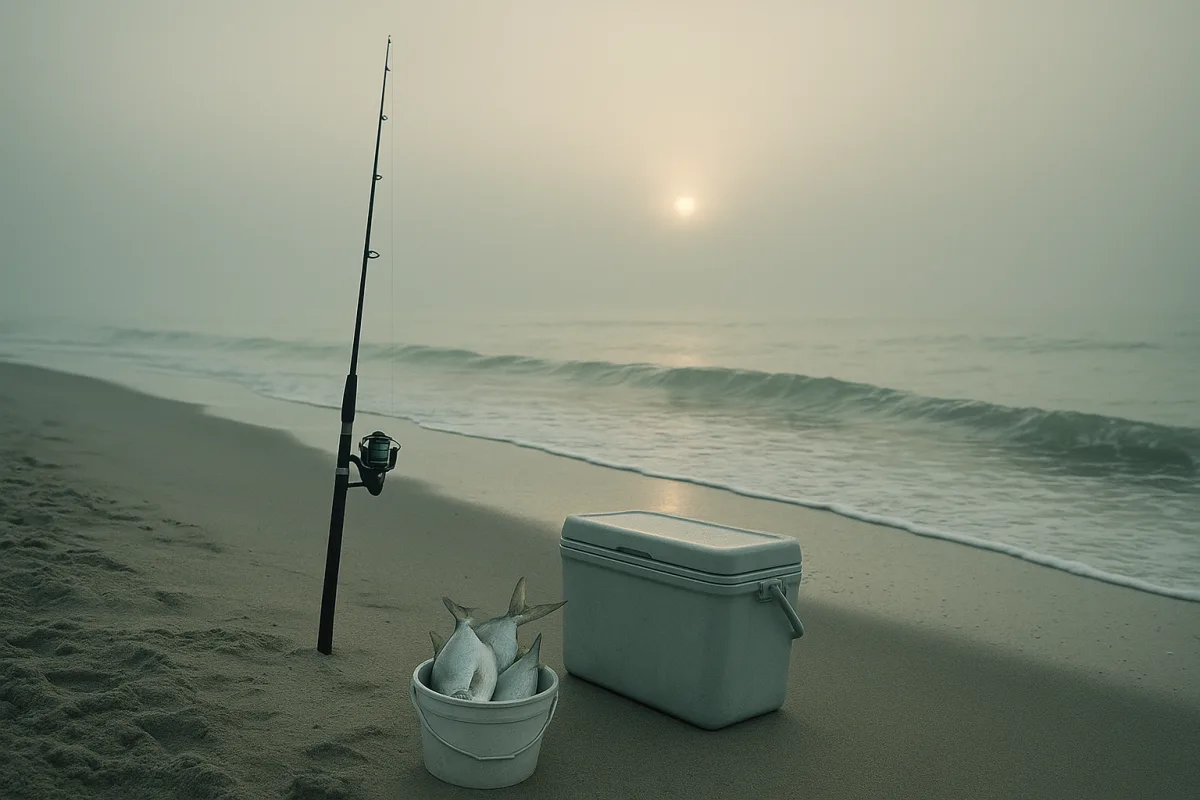
The useful change in surf-fishing planning is plain: more anglers are organizing trips around short peak windows for particular fish, rather than booking a generic beach vacation and hoping the surf is productive.
That shift is visible across regional fishing guidance. North Carolina sources emphasize spring and early-fall pompano runs, Gulf guides point anglers toward fall redfish, and California guidance separates summer halibut and croaker opportunities from the longer surfperch season. [1][2][4]
These are independent regional sources arriving at the same practical conclusion. The best time of year for surf fishing is not one season, because the beach is not holding the same fish, water temperature, bait, or migration pattern in July as it is in October.
The evidence does not include national booking figures, catch-rate databases, or a measured survey showing how many anglers now schedule trips this way. It would be overstating the case to call it a quantified industry trend.
Still, the planning advice has become more specific because broad seasonal claims are not very useful. “Fish in summer” may fit California corbina, but it can miss the better window for Atlantic pompano or a fall-focused Gulf redfish trip. [1][2][4]
For a surf angler planning a project, whether that means a long weekend, a family beach week, or a dedicated road trip, the consequence is straightforward. Pick the species first, then choose the month, then build each fishing day around tide, light, wind, and beach structure.
Peak season now means a regional calendar
On the Atlantic Coast, pompano are a clear example of why two distinct trip windows beat a vague seasonal plan. Indian Beach, North Carolina guidance identifies May through June and September through early October as the productive periods. [2]
That makes late spring a reasonable choice for someone who wants warm-weather beach access without waiting for the autumn run. Early fall gives another opportunity, but it should not be confused with the late-autumn striped bass season farther north.
Atlantic flounder timing is narrower in the available research brief: August and September are the key months. That is a practical target for anglers whose priority is flounder, but not necessarily for someone who has booked around spring pompano. [18]
The Outer Banks and other Atlantic beaches can fish across much of the year, yet availability is not the same as a peak. A trip planned for “something biting” is different from a trip designed around a fish’s best documented seasonal window. [9][18]
Along the Gulf Coast, redfish offer the broadest calendar. They can be caught year-round, but fall is the recognized peak, when anglers have the strongest seasonal reason to plan a trip around red drum rather than treating them as incidental catches. [4][7]
Gulf pompano follow the same split-season pattern seen on the Atlantic side, with a spring opportunity around May and a second run from September into early October. A Gulf trip in those windows can reasonably target either pompano or redfish. [4]
Snook add a more specific late-summer Gulf option. The available seasonal guidance places the better period in September and October, which makes that part of the calendar attractive for an angler who wants warm water species rather than a spring surf program. [4]
California requires a different calendar. California Department of Fish and Wildlife guidance and regional travel reporting place California halibut in a June through October window, while corbina and spotfin croaker are strongest from July through September. [1][12]
Yellowfin croaker fit a similar Pacific summer pattern, with a June through September window. That overlap gives Southern California anglers a genuine reason to plan midsummer trips around multiple likely targets, rather than committing to one species alone. [1]
Surfperch complicate the summer-only idea. The documented California season runs from September through May, meaning autumn, winter, and spring can be more relevant than peak beach-tourism months for anglers specifically seeking perch. [1][11]
That does not justify claiming that winter surfperch fishing is always easy. The research brief provides no supported water-temperature range or tide preference for surfperch, so anglers should avoid filling that gap with confident folklore.
It also does not support broad claims about southern hemisphere seasons. California is a northern hemisphere example, and its calendar cannot simply be flipped or applied to beaches in Australia, South Africa, or South America without local evidence.
Why tide and temperature decide whether the seasonal trip pays off
A peak month gets the right fish into the region. It does not put them within casting range on every tide. The daily decision still starts with the tide chart, the forecast, and a walk along the beach.
Incoming water is generally the best place to begin. Rising water covers troughs and pushes fish closer to the beach, while slack water often removes the current and movement that make a feeding lane worth fishing. [3][10]
For striped bass, the timing is more specific. Water temperatures from 55 to 68 degrees Fahrenheit are identified as favorable, and the best tide period is commonly two hours before through two hours after high tide. [6]
That does not mean every high tide produces striped bass. An angler still needs moving water, a reachable trough or cut, and bait in the area. A high tide without structure, current, or forage is only a number on a chart.
Red drum are more tolerant of temperature, with reported activity across 52 to 88 degrees Fahrenheit and a stronger range of 62 to 78 degrees. They move on both falling and rising tides, though the useful stage varies by location. [7]
For trip planning, that wider redfish temperature range explains why a fall peak does not mean redfish disappear outside autumn. It does mean fall remains the better time to prioritize them if the trip dates are flexible. [4][7]
Low-light periods are the dependable daily starting point across regions. The first two hours after sunrise and final two hours before sunset are the recommended windows, particularly when those periods overlap with a moving tide. [3][10]
New and full moons may increase feeding activity, but they also produce stronger tidal movement. That can improve a productive cut, or make a shallow bar, heavy sweep, and loose weed difficult to fish effectively. [3]
The tide chart should therefore be read alongside the beach, not treated as a substitute for it. Look for darker water marking a trough, a break in the bar, converging currents, or a cut where bait can pass through.
What the 2026 forecast changes, and what it does not
Weather has become part of the planning conversation because 2026 brought unusual conditions, including historically low Atlantic hurricane activity and warmer, wetter weather in some areas associated with El Niño conditions. [13]
The sensible response is not to invent a new seasonal calendar. There is no direct evidence in the research brief showing that El Niño has improved or reduced surf-fishing success for particular species in 2026.
Warmer water, altered rain patterns, and different surf conditions could affect fish movement and beach access. That is plausible, but plausible is not the same as documented, and anglers should not replace established regional timing with speculation.
Use the seasonal calendar to select the trip month, then use a current marine forecast to decide whether to fish. Strong onshore wind, dirty water, heavy weed, unsafe surf, or a beach closed after storms can undo an otherwise well-timed plan.
This matters especially for anglers traveling several hours. A September pompano window is useful, but it is not a guarantee that a particular Saturday will have clean water, manageable wave height, or fishable current. [2][5]
A flexible itinerary is worth more than a confident prediction. Build in several dawn or dusk sessions, identify more than one access point, and retain the option to shift fishing around the better tide instead of forcing one fixed hour.
Build the trip around the fish, then use practical gear
Most seasonal surf trips do not require specialized tackle for every target. A 9- to 11-foot surf rod, a sand spike, pyramid sinkers, and a two-hook bottom rig cover much of the bait-fishing work described in regional beginner guidance. [3][17]
For larger fish, fluorocarbon leaders in the 24- to 36-inch range and 40- to 60-pound class are the recommended category. That is not a universal prescription, but it is a practical starting point when redfish or other heavier surf species are possible. [3]
The sinker should match the water, not a preconceived rig list. Pyramid sinkers are useful where current and wave action require the bait to stay in a chosen lane, but excessive weight can reduce sensitivity in gentle conditions. [3]
A two-hook bottom rig makes the most sense when the trip goal is species such as pompano, croaker, or other bottom-feeding surf fish. It is less useful to treat every bite as the same when the intended target is a predator feeding around structure.
The common failures are usually planning failures. Sources on surf-fishing mistakes repeatedly flag poor tide awareness, failure to read beach structure, inadequate gear, striking too quickly, and ignoring shark activity. [14][15]
Premature hook-setting deserves special attention with bait rigs. If the fish is mouthing or moving off with bait, a hard immediate strike can pull the hook free. Let the rod load and the fish commit before responding.
Shark awareness is not optional where sharks are active. Avoid wading with bleeding fish, do not leave catches near the wash, and do not assume that a busy beach removes the need for caution. [4][16]
The best time of year, then, is best understood as a sequence of decisions. Choose the regional species window, watch the weather as the date approaches, fish moving water at low light, and spend the first minutes reading the beach before casting.
Frequently Asked Questions
What are the best seasonal windows for surf fishing different species?
The best seasonal windows vary by species and region. For Atlantic pompano, May through June and September to early October are peak times. Gulf redfish are available year-round but most reliable in fall. California halibut are best targeted from June through October, while corbina and spotfin croaker peak from July through September.
How does surf fishing timing vary by region and fish species?
Surf fishing timing depends on the species' migration and local conditions. Atlantic Coast species like pompano have spring and early-fall runs, while Gulf Coast redfish are present year-round with a fall peak. California species have a summer to early-fall window. Each species and region requires targeting specific months rather than a broad seasonal approach.
When is the peak season for Atlantic pompano surf fishing?
Atlantic pompano peak during two main windows: May through June and September through early October. These periods offer the most productive surf fishing opportunities on the Atlantic Coast.
What months offer the best surf fishing for Gulf redfish?
Gulf redfish can be caught year-round, but the fall months provide the most reliable and focused opportunities for surf fishing targeting this species.
How should tides and light influence surf fishing trips by season?
Fishing is best during the first two hours after sunrise or the last two hours before sunset, ideally on an incoming tide rather than slack water. These conditions enhance fish feeding activity and improve catch rates across seasons. Avoid slack tides and consider lunar phases, as new and full moons can increase feeding.
How we researched this
This article was assembled from 18 cited references.
Nothing here is based on hands-on testing. Where a figure or finding appears, it belongs to the source cited beside it, and the writing says so rather than implying otherwise. Every source is listed below so you can check it.
Sources
- California Beach Fishing
- How to Catch Pompano at Indian Beach on Bogue Banks | Indian Beach, NC
- Surfboard Fishing Guides, Gear & Safety for Beginners
- Gulf Coast Surf Fishing Guide — Redfish, Pompano & Sharks
- Space Coast Surf Fishing Forecast – September 2026 - Coastal Angler & The Angler Magazine
- How Water Temperature Affects Surf Fishing: Best Temps & Fish Behavior
- Redfish (Red Drum) Fishing — Seasons, Lures & Water Temps | Tides & Tails
- Surf Fishing in Los Cabos | Beaches, Seasons & Gear Guide
- Outer Banks Surf Fishing | Outer Banks, NC
- How to fish the surf | Pawleys Island
- Surfperch: Biology, Tactics and Best Waters | Fishing Report Hub
- Fishing California’s Highway 1 - Highway 1 Road Trip
- SurfAid's Make-A-Wave September Global Forecast
- Common Surf Fishing Mistakes and How to Avoid Them
- Surf Fishing Mistakes: 6 Habits You Need to Break
- The Year Great White Sharks Took Over Maine
- Surf Fishing the Emerald Coast: A Beginner's Guide (2026)
- Surf Fishing in the Outer Banks: Best Times of the Year
Related Articles
Best Season for Surf Fishing: Timing by Species and Region
Discover the best season for surf fishing by species, region, and water conditions to plan your ideal surf fishing trip.
Best Bait for Surf Fishing in Spring
Discover the best bait for surf fishing in spring, matching seasonal fish and tides for top results on your next beach fishing trip.
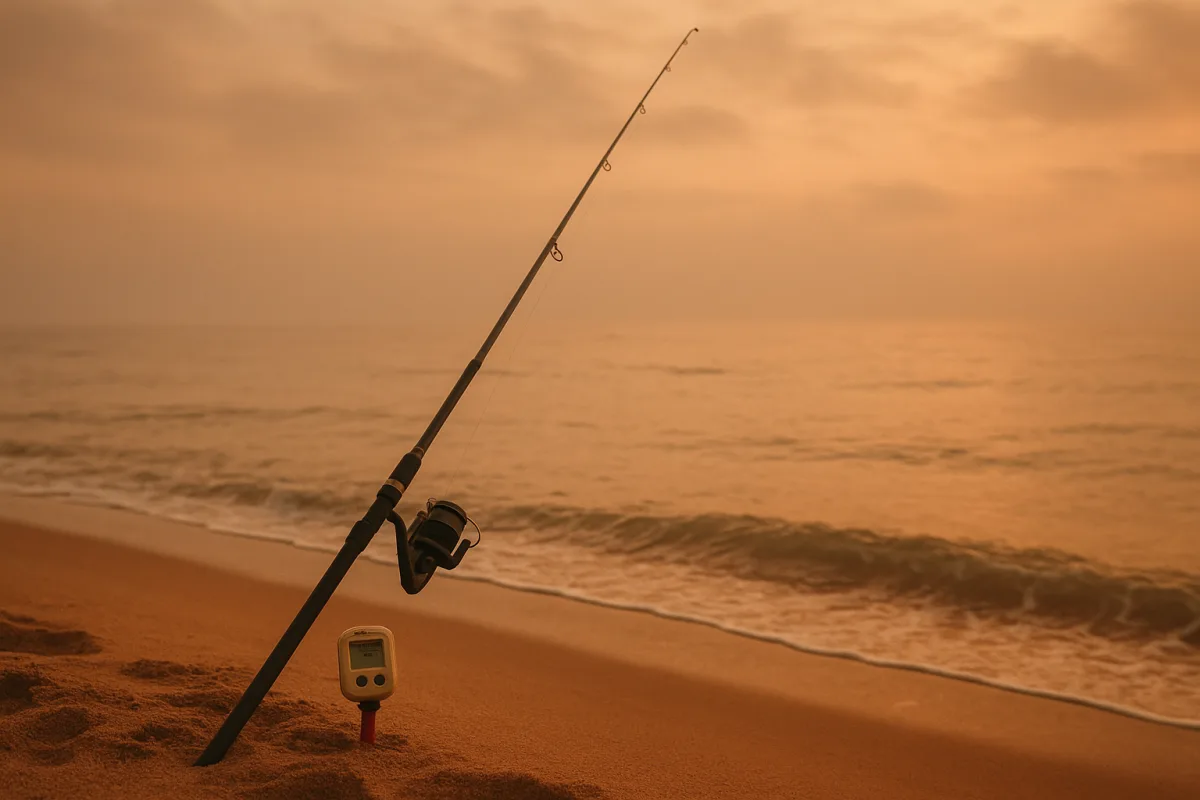
Best Times to Surf Fish in Spring: Tide and Temperature Tips
Discover the best times to surf fish in spring based on tides, water temperature, and weather for more successful fishing trips.
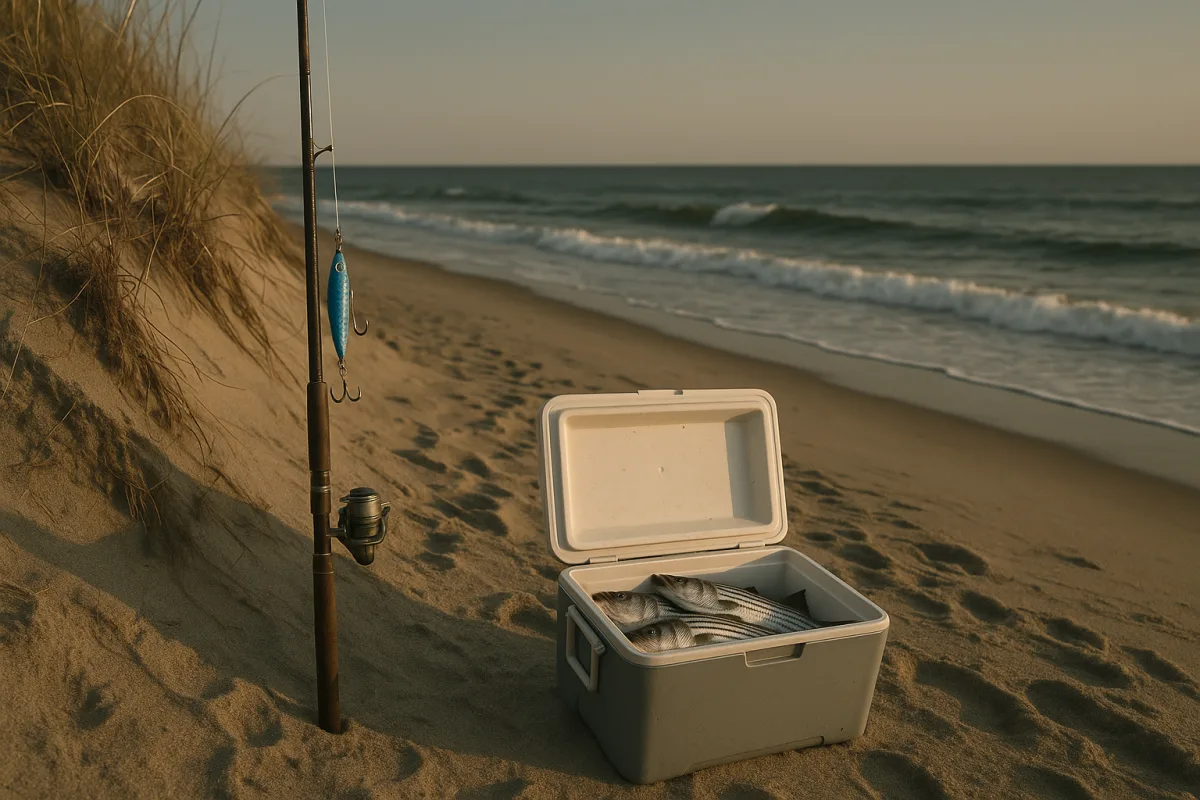
Seasonal Surf Fishing Strategies: A Year-Round Guide
Learn seasonal surf fishing strategies to target fish effectively throughout the year. Discover what species to catch and when.