Best Time of Day to Surf Fish: Optimize Your Catch
Discover the best time of day to surf fish and enhance your success with tips on tides, water temperature, and seasonal patterns.
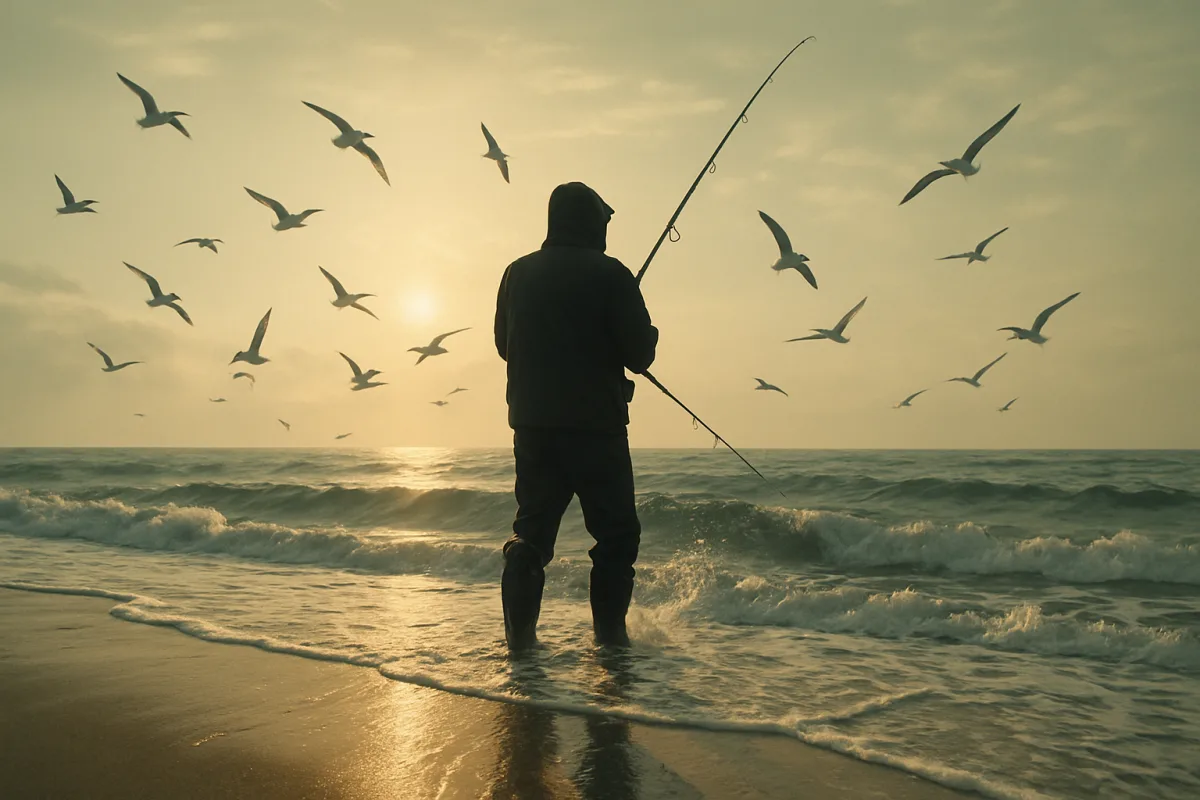
Optimizing Surf Fishing: The Best Times of Day to Cast Your Line
When it comes to surf fishing, understanding the tides and their impact on fish activity can significantly enhance your chances of success. While many anglers may believe that any time of day is suitable for fishing, the reality is that timing your outings with a keen eye on the tides can make all the difference. This article delves into the mechanics of surf fishing timing, specifically focusing on the best times of day to fish, and why these times are more effective.
The Role of Tides in Surf Fishing
The tide is the most influential factor in determining when to surf fish. Tides are caused by the gravitational pull of the moon and sun, leading to the rise and fall of sea levels. Each tide cycle lasts approximately 12 hours, resulting in two high tides and two low tides each day. However, it's not merely the high and low tides that dictate fishing success; it's the transition periods around these tides that matter most.
Research highlights that the two hours before and after high tide are particularly productive for surf fishing. During these periods, fish are generally more active, feeding in greater numbers as they take advantage of the shifting conditions. The incoming tide draws baitfish closer to shore, while the outgoing tide stirs up the seabed, making prey available to predatory fish. Therefore, targeting these windows can yield better results than fishing during slack tide or at low tide.
Understanding Slack Tide
Slack tide refers to the moments when the tide changes direction, either switching from high to low or low to high. Contrary to the common perception that fishing is productive at any time, slack tide periods are often unproductive. During slack tide, there is minimal water movement, which can lead to reduced fish activity. Many seasoned anglers will advise against fishing during these times, as fish tend to be less willing to bite when the water is stagnant.
In essence, planning your fishing trips around the tidal schedule, especially avoiding slack tide, can significantly improve your chances of catching fish. This understanding is rooted in the behavior of fish, which are more likely to feed actively when conditions are favorable.
The Importance of Water Temperature
Water temperature is another critical factor that influences fish behavior. Fish are ectothermic, meaning their body temperature is regulated by their environment. Each species has specific temperature ranges that optimize feeding activity. For instance, some species may be more active in cooler waters, while others thrive in warmer conditions.
While the general guideline is that warmer water tends to increase fish metabolism and feeding, the exact temperature thresholds can vary widely depending on the species and local conditions. Therefore, it's advisable to familiarize yourself with the local fish species and their preferred temperature ranges. For example, in the Northeast U.S., striped bass tend to be more active in temperatures between 60°F and 70°F, while in the Southeast, redfish may prefer slightly warmer waters.
Seasonal Considerations
Beyond daily tidal patterns, seasonal changes also play a pivotal role in surf fishing success. Different fish species migrate based on seasonality, which affects their availability and activity levels. In the Northeast, for instance, fall is prime time for surf fishing due to the migration patterns of various species. Conversely, the Southeast boasts a diverse range of species available through summer, but their activity may fluctuate with changing water temperatures.
Understanding these seasonal patterns can help anglers target specific species at the right times. However, it is essential to note that while these patterns are generally consistent, local environmental conditions may alter fish behavior. Therefore, engaging with local anglers or fishing reports can provide valuable insights into the current conditions affecting surf fishing in your area.
Common Mistakes and Misconceptions
Even experienced anglers can fall prey to common mistakes that hinder their success. One of the most significant errors is fishing during slack tide, which research clearly indicates is less productive. Other pitfalls include ignoring water clarity, overcasting, using inappropriate gear, and failing to adapt to changing conditions.
Water clarity is particularly important for surf fishing, as murky waters can impact fish visibility, making them less likely to bite. Additionally, using gear that is not suited for the specific conditions or species can lead to frustrating experiences on the water. For instance, using a light tackle setup in turbulent surf may result in lost fish or gear.
Conclusion: Timing is Everything
Understanding the mechanics behind surf fishing timing is essential for optimizing your fishing experience. The two hours before and after high tide are your best bet for active fish feeding, while slack tide periods should generally be avoided. Water temperature and seasonal patterns further influence fish behavior, underscoring the importance of ongoing education and adaptation in your fishing practices.
By focusing your efforts around these critical factors, you can enhance your chances of landing that prized catch. Surf fishing is as much about strategy and knowledge as it is about the thrill of the chase. With the right timing and awareness of the conditions, you can greatly improve your success on the shore. So next time you plan a fishing trip, make sure to check the tidal charts and consider the time of day, your future self will thank you when you reel in that big one.
Frequently Asked Questions
What are the best times of day to surf fish?
The best times for surf fishing are generally the two hours before and after high tide. During these periods, fish are more active and likely to feed, making it a prime time for anglers.
How do tides affect surf fishing success?
Tides play a crucial role in surf fishing success, with the transition periods around high and low tides being the most productive. The incoming tide brings baitfish closer to shore, while the outgoing tide stirs up the seabed, increasing prey availability for predatory fish.
When should I avoid fishing during the day?
It is advisable to avoid fishing during slack tide, which occurs when the tide changes direction. During these periods, fish activity is often reduced due to minimal water movement, making fishing less productive.
How does water temperature influence surf fishing?
Water temperature significantly affects fish behavior, as it influences their feeding activity. Each fish species has specific temperature ranges that optimize their feeding, so understanding local species preferences can enhance fishing success.
Sources
- When Are Fish Most Active? Ultimate Guide to Peak Fishing Times, Your Fish Guide
- Your Guide to Sunrise Fishing at Atlantic Beach, NC | Atlantic Beach, NC
- Surf Fishing for Beginners: Reading the Beach, Right Gear & Best Times | HookCast
- Best Times and Tides for Surf Fishing: Dawn, Dusk, and Tides Explained, Surfcasting Republic
- Surfperch | Englund Marine & Industrial Supply
- Surf Kingfish (Whiting), Beach Bottom Fishing Tactics
- NJ Shore Tide Charts 2026 | Tide Times by Beach Town
- Best Tide for Fishing: The Complete Guide to Tidal Fishing
- Surf Fishing - Take Me Fishing
- How Water Temperature Affects Surf Fishing: Best Temps & Fish Behavior
- How Weather Affects Surf Fishing, Surfcasting Republic
- Beach Conditions
- NJ Surf Fishing Striped Bass 2026 | Best Beaches & Rigs
- How Long Should a Surf Fishing Leader Be?, Surfcasting Republic
- What Is a Shock Leader in Surf Fishing and How to Use It?, Surfcasting Republic
- How Long Should a Surf Fishing Leader Be?, Surfcasting Republic
- Fishing Leaders - Just Why, When and How Should They Be Used?
- Fishing Leader Line: Why Length Is So Critical
- NJ Surf Fishing Guide | Stripers, Blues, Fluke from the...
- Surf Fishing in Indian Beach NC: A Crystal Coast Guide | Indian Beach, NC
- Prime time for surf fishing: Late summer, early fall
- Surf Fishing on the Oregon Coast: The Inclusive Guide
- Beginner Mistakes to Avoid When Surf Fishing
Related Articles
Best Times to Surf Fish at Night: Tide and Moon Insights
Discover the best times to surf fish at night using tides, moon phases, and seasonal tips for more productive night fishing sessions.
Best Times to Surf Fish in Spring: Tide and Temperature Tips
Discover the best times to surf fish in spring based on tides, water temperature, and weather for more successful fishing trips.
Best Times to Surf Fish in Winter: A Practical Guide
Discover the best times to surf fish in winter, including tips on local conditions, species behavior, and optimal fishing strategies.
Surf Fishing Seasonal Windows: When to Target Key Species
Discover surf fishing seasonal windows by species and region to plan trips for Atlantic pompano, Gulf redfish, and more with tide and light tips.