
How to Clean Fish After Surf Fishing: A Practical Guide
Learn how to clean fish after surf fishing with step-by-step techniques, essential tools, and tips for maintaining freshness.
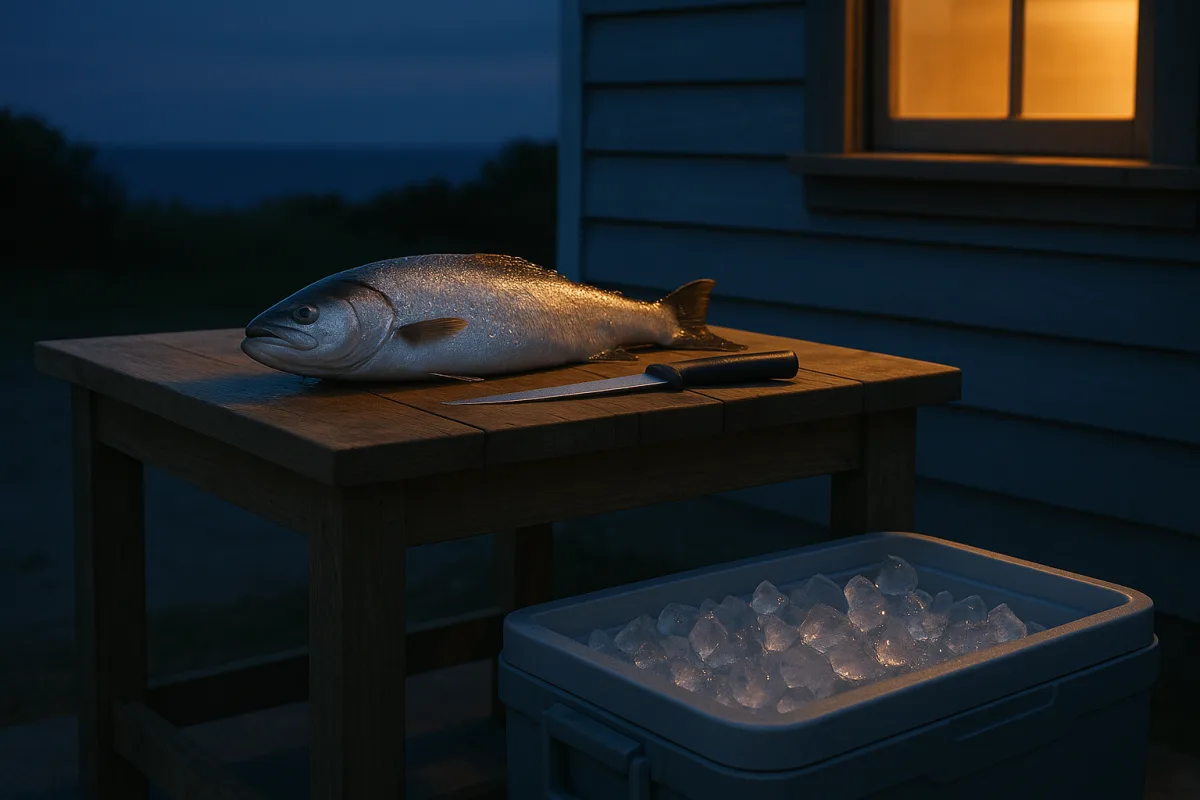
A Practical Guide to Cleaning Fish After Surf Fishing
When you're surf fishing, the thrill of the catch is invigorating, but it’s essential to follow through with proper cleaning techniques to maintain the quality of your fish. This guide will walk you through the step-by-step process of cleaning fish, addressing common challenges you might encounter along the way. We’ll focus on practical solutions based on species, tools, and methods, rather than generic advice.
Timing: When to Clean Your Fish
A critical question for any angler is timing. The general recommendation is to clean fish within two hours of catching them for optimal freshness. However, if you keep your catch properly chilled, you can extend this window to up to 24 hours without significantly compromising quality. This flexibility is crucial, especially during long surf fishing trips where immediate cleaning might not be feasible. According to multiple sources, the key is to keep your fish in a cooler filled with ice or on ice to maintain their freshness.
Essential Tools for Cleaning Fish
Before you start, gather the necessary tools. The right equipment makes the job easier and ensures that you do it safely and effectively. Here’s a list of what you’ll need:
- Sharp Fillet Knife: A sharp knife is non-negotiable. While some recommend high-end brands like Dexter-Russell Dextreme Fillet Knife (priced between $45.99 and $55.99), there are many effective alternatives available at lower price points. Look for a knife that is about 7 to 9 inches long, as this size will give you the control needed for filleting various species.
- Cutting Board: A stable cutting surface is essential. Opt for one made of plastic or wood that can withstand repeated use and is easy to clean.
- Bucket of Clean Water: This will help you rinse your fish and keep your workspace clean.
- Paper Towels: These are handy for wiping down surfaces and your hands as you work.
- Plastic Bags: Use these for storing your cleaned fish, keeping them fresh until you get home.
- Cooler with Ice: If you’re not cleaning immediately, a cooler filled with ice is vital for preserving the fish’s quality.
Step-by-Step Cleaning Techniques
The cleaning process varies slightly depending on the species you're dealing with. Let's focus on a few common surf-caught fish: surf perch, striped bass, and redfish.
1. Surf Perch
- Scaling: Begin by scaling the fish. Use the back of your fillet knife to scrape from the tail towards the head. This step is crucial as perch have fine scales.
- Gutting: Make a cut along the belly from the anal opening to the head. Remove the entrails carefully, ensuring no bile or guts contaminate the meat.
- Rinsing: Rinse the carcass under clean water to remove any remaining blood or debris.
2. Striped Bass
- Bleeding: To enhance the flavor, bleed the fish right after catching it. Cut the gills to let the blood drain out. This step is particularly important for striped bass.
- Scaling and Gutting: Similar to surf perch, scale the fish and make a belly incision. Remove the entrails and rinse.
- Filleting: Position the fish on its side. Start at the head and cut down along the spine, following the rib cage to remove the fillet. Repeat on the other side.
3. Redfish
- Scaling and Gutting: Scale the redfish and gut it as described above.
- Filleting: Redfish can also be filleted by cutting along the spine. Their meat is thicker, so a sturdy knife is recommended.
Common Mistakes to Avoid
Cleaning fish is straightforward, but mistakes can lead to waste or poor quality. Here are some pitfalls to watch for:
- Delaying Cleaning: Avoid leaving fish in a cooler for too long without cleaning. Even with ice, the quality can degrade.
- Improper Bleeding: Not bleeding fish can affect taste; always bleed fish like striped bass immediately after catching.
- Using Dull Knives: A dull knife makes the job harder and can result in accidents. Keep your knife sharp and replace it if it’s past its prime.
- Overcrowding Livewells: If you’re using a livewell, overcrowding can stress the fish, leading to higher mortality rates.
- Insufficient Ice: Ensure you have plenty of ice to keep your catch cold. A cooler without adequate ice can lead to spoilage.
Cleaning Fish: Quality and Regulations
It’s worth noting that different species have varying minimum size regulations that must be adhered to. For instance, in California, striped bass must be at least 18 inches long, while surf perch regulations can differ by area. Always check local regulations before heading out.
Conclusion: Mastering the Art of Fish Cleaning
Cleaning fish after surf fishing is both an art and a science, requiring proper timing, the right tools, and a systematic approach. By following these guidelines, you’ll maintain the quality of your catch while also adhering to local regulations. Remember to practice your technique and refine your process, as each species presents its own set of challenges.
With the right preparation and knowledge, you can ensure that your time spent surf fishing culminates in a successful and satisfying cleaning experience.
Frequently Asked Questions
How do you clean fish after surf fishing?
Cleaning fish involves several steps, including scaling, gutting, and rinsing. For species like surf perch, start by scaling the fish, then make a cut along the belly to remove the entrails, and finally rinse the carcass under clean water.
What tools do I need to clean fish caught from the surf?
Essential tools for cleaning fish include a sharp fillet knife, a cutting board, a bucket of clean water, paper towels, plastic bags for storage, and a cooler with ice to keep the fish fresh if not cleaned immediately.
When should I clean my fish after surf fishing?
It is generally recommended to clean fish within two hours of catching them for optimal freshness. However, if the fish is properly chilled, this window can be extended to up to 24 hours without significantly compromising quality.
Sources
- How to Clean a Fish: Step-by-Step Guide for Beginners (2026), FishKillFlea
- How to Clean and Filet Surf Perch
- How To Clean and Prep Fish | The Weather Channel
- How to Clean and Fillet a Fish, The Fishing Manual
- Surf, Jetty & Kayak Fishing Guide: Gear, Techniques & Tips | West Marine
- How to Clean Fresh-Caught Fish | SwampSkimmer
- Fishing Tools and Equipment from Top Brands | Defender Marine
- Tools/Accessories - Beach Casting & Shore Fishing - Fishing
- TheAnglerStore, Surf & Inshore Fishing Tackle
- Surf Fishing Tackle & Gear | FishUSA
- 6 Best Surf Fishing Tackle Mats For Cleaning Your Catch - Swimmer Living
- Essential Tools
- How soon after catching a fish should you clean it? - The Environmental Literacy Council
- How long can fish be dead before cleaning? - The Environmental Literacy Council
- How long can you wait before gutting a fish? - The Environmental Literacy Council
- How long do I have to clean a fish after it dies? - The Environmental Literacy Council
- A Pocket Guide to Care and Handling of Fish from Stream to Table | NDSU Agriculture
- California Code of Regulations, , Section 27.65 - Filleting of Fish on Vessels | California Code of Regulations | Justia
- Code of Federal Regulations Title 50. Wildlife and Fisheries 50 CFR § 622.185 | FindLaw
- Fillet Yield Calculator, Free Online Tool | Absurd Tools
- Best Fillet Knives for Freshwater Fishing (2026) | Knife Depot
- 10 FISH-CLEANING MISTAKES IT’S TIME TO STOP - Rapala
- 12 Common Mistakes: And How to Correct Them - The Fisherman
- Can You Legally Keep Fish You Catch? Rules & Limits - LegalClarity
- 50 CFR § 660.360 - management measures. | Electronic Code of Federal Regulations (e-CFR) | US Law | LII / Legal Information Institute
- Surf Fishing - Assateague Island National Seashore (U.S. National Park Service)
- Fishing at Cape Cod National Seashore - Cape Cod National Seashore (U.S. National Park Service)
- National Saltwater Angler Registry | NOAA Fisheries
Related Articles
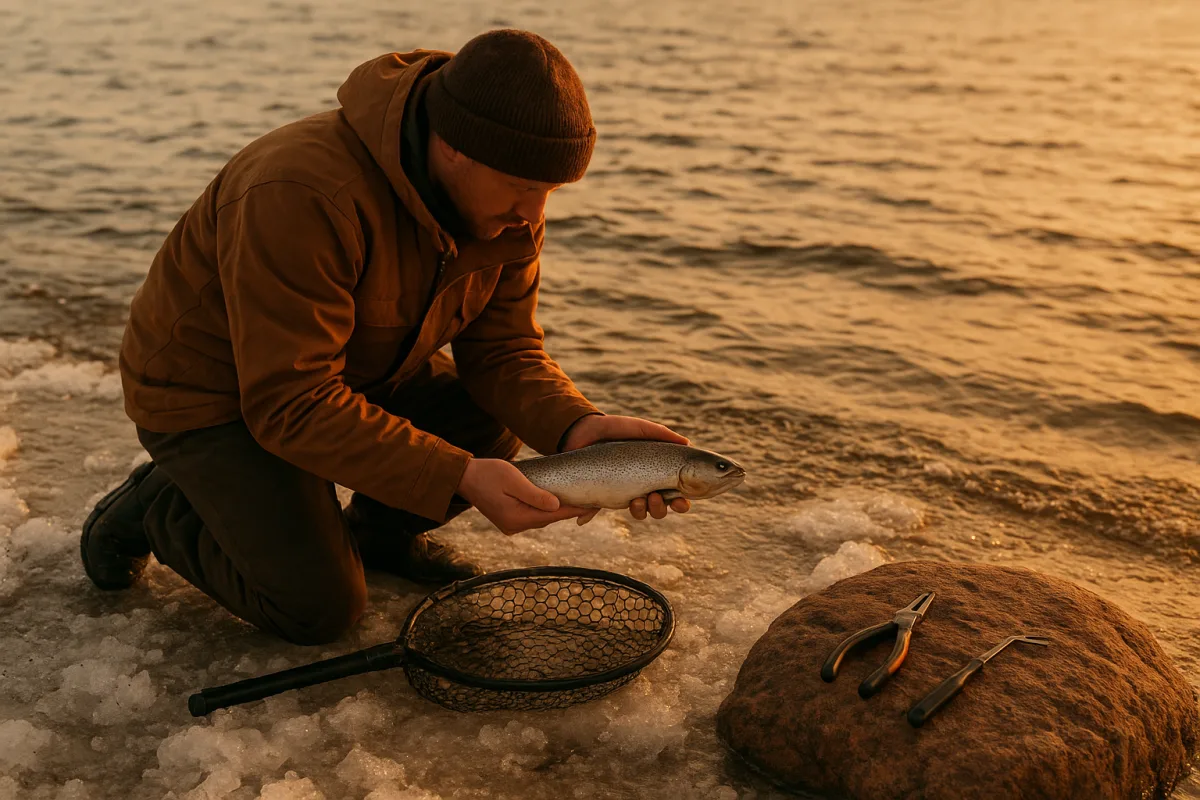
How to Handle Fish After Catching: Proper Techniques
Learn how to handle fish after catching with proper techniques to minimize harm and improve catch and release success.
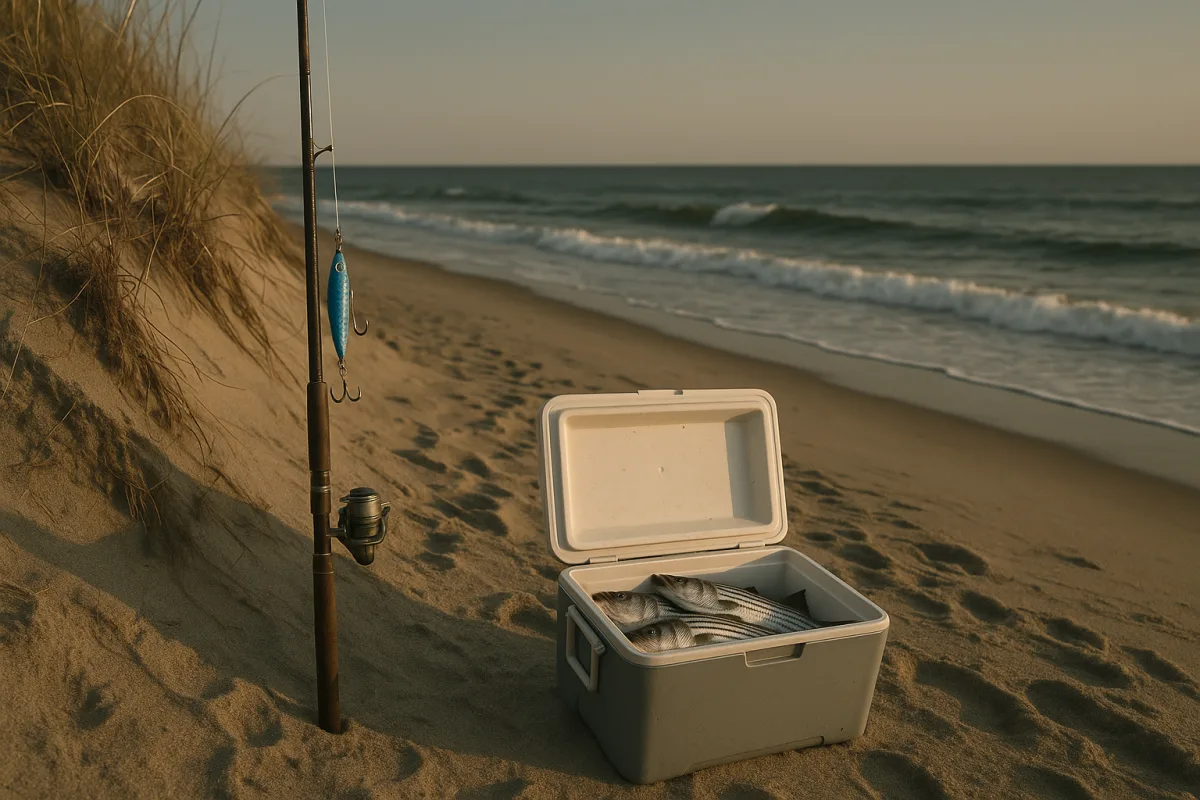
Seasonal Surf Fishing Strategies: A Year-Round Guide
Learn seasonal surf fishing strategies to target fish effectively throughout the year. Discover what species to catch and when.
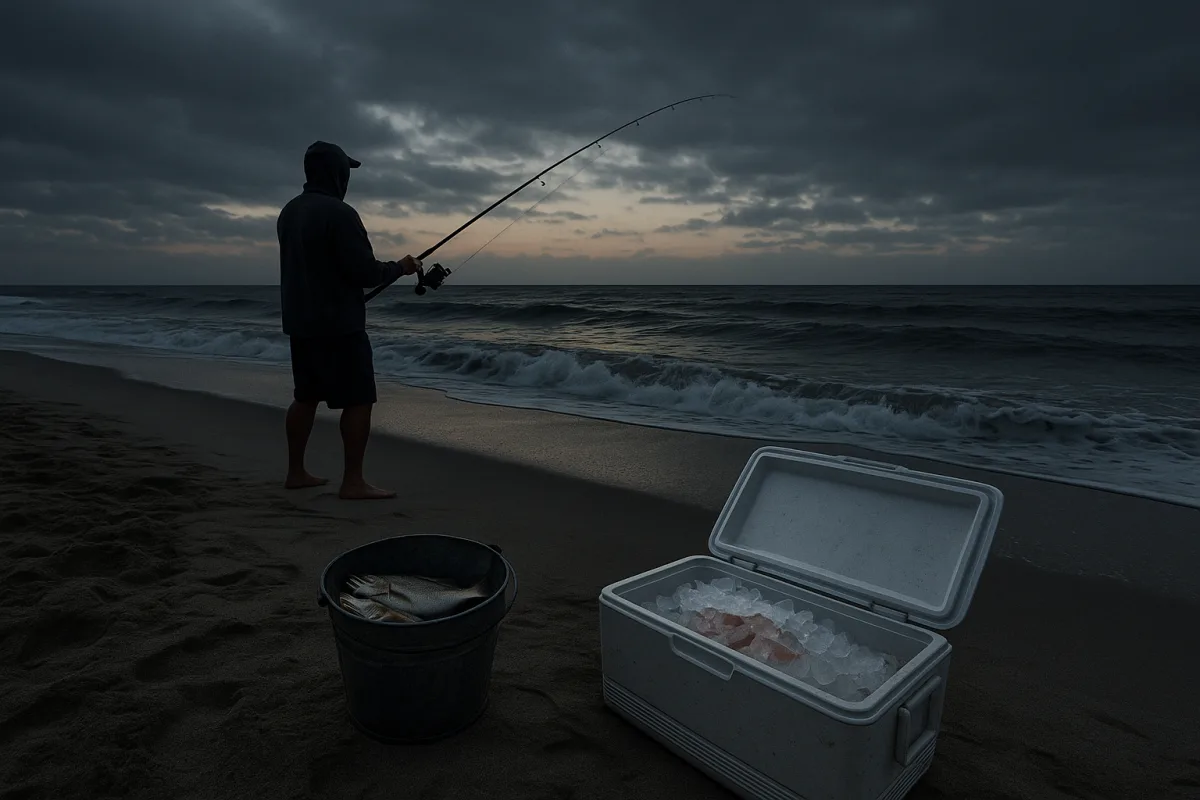
Shore Fishing Species: What Fish Can You Catch?
Discover key species you can catch from the shore and learn about optimal conditions and effective techniques for shore fishing.

Best Times to Surf Fish at Night: Tide and Moon Insights
Discover the best times to surf fish at night using tides, moon phases, and seasonal tips for more productive night fishing sessions.