
Shore Fishing Species: What Fish Can You Catch?
Discover key species you can catch from the shore and learn about optimal conditions and effective techniques for shore fishing.
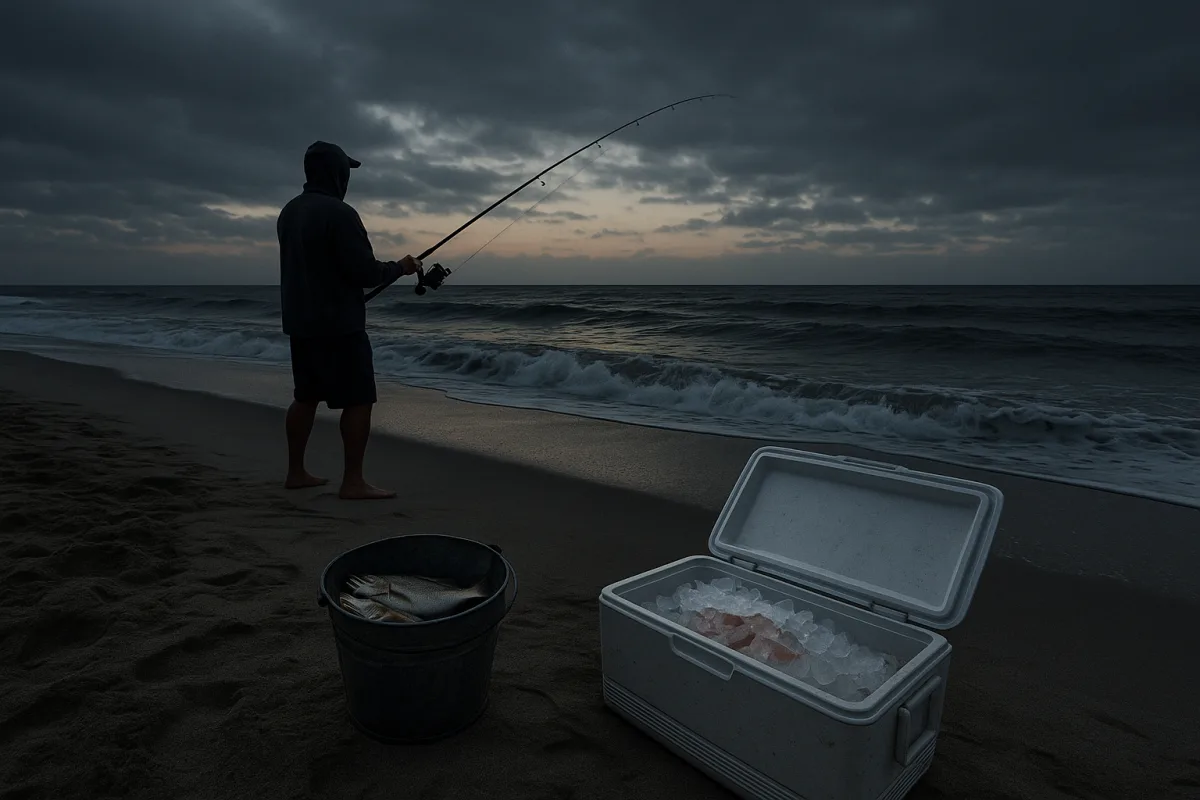
Understanding Shore Fishing: Key Species and Conditions
Shore fishing can be an incredibly rewarding experience, not only for the thrill of catching fish but also for the deep connection it fosters with nature. However, to maximize your success, it's essential to understand which species are available and how environmental factors influence their feeding patterns. This article will unpack the specific conditions that allow for effective shore fishing by focusing on key fish species commonly caught from the shore.
Common Species Found from the Shore
Several fish species are prevalent along the Atlantic Coast, each with its own habitat preferences and feeding behaviors. Here’s an overview of some of the most commonly targeted species:
Atlantic Croaker: This fish flourishes from Massachusetts down to Florida. It's a bottom feeder that often responds well to baited hooks, especially during warmer months when it's actively feeding.
Bluefish: Known for their aggressive feeding, bluefish are typically found in the surf zone. They are particularly active during dawn and dusk, making these times prime for catching them. Regulations in Massachusetts allow a limit of five bluefish per day.
Sea Mullet: Commonly found in the Outer Banks of North Carolina, sea mullet are opportunistic feeders and often respond well to live bait, particularly during the summer months.
Pompano: Targeted primarily in Hatteras and Ocracoke, pompano are known for their excellent fighting ability and delicious taste. They tend to be caught in sandy areas near the shore.
Sheepshead: These fish are often found around hard structures like piers and jetties, particularly in places like Wrightsville Beach. They are known for their distinctive teeth and can be quite challenging to reel in.
Optimal Conditions for Catching Fish
While it’s important to know the species you’re targeting, understanding the conditions that maximize catch rates is crucial. Here are some factors to consider:
Tidal Movements
Tides play a significant role in shore fishing. Fish are generally more active during transitions between high and low tides, especially at dawn and dusk. During these times, baitfish move towards the shore, attracting larger predatory fish. Many anglers find that fishing during moving tides yields better results compared to slack tides, although this is a debated topic among fishing communities. Some experienced anglers have reported success during slack tides, so it might be worth testing both periods in your fishing spot.
Weather Conditions
Weather can also influence fish behavior. Overcast days tend to enhance fish feeding activity, as they feel less exposed to predators. This means that fishing during cloudy weather could potentially increase your chances of a good catch. Conversely, bright, sunny days may lead to more cautious fish, particularly species like striped bass, which can be less active during peak sunlight hours.
Effective Baits and Techniques
When targeting specific fish species, the choice of bait can make a significant difference. Here are some effective baits tailored to common shore fishing targets:
- Live Sand Crabs: Particularly effective for surf perch, these crabs mimic the natural food sources that fish hunt for along sandy beaches.
- Marine Worms: These are versatile and can attract various species, including bluefish and flounder.
- Fresh Shrimp: Known for their irresistible scent, fresh shrimp can be used for multiple species, including sheepshead and pompano.
- Artificial Baits: While live bait is often preferred, artificial lures designed to mimic the movements of injured fish can also be effective, especially when targeting bluefish.
Regulations and Local Considerations
Before heading out, it's crucial to be aware of local fishing regulations. Each state has its own rules regarding species limits and size requirements. For instance, North Carolina has a minimum size limit of 15 inches for flounder, alongside a daily limit of five bluefish, while Massachusetts allows a limit of five bluefish per day and has a minimum size for cod set at 23 inches. Checking the local regulations before fishing can save you from potential fines and ensure sustainable practices.
Common Mistakes to Avoid
Even seasoned anglers can fall into traps that reduce their chances of success. Here are some common mistakes to avoid:
- Fishing During Unproductive Tides: Many anglers fail to consider tidal movements and may fish during slack tides, when fish are less active.
- Casting Beyond Feeding Zones: It’s essential to cast into areas where fish are likely feeding, rather than simply casting as far as possible.
- Using Inadequate Leaders for Bluefish: Bluefish have sharp teeth, and using a leader that can withstand their bites is crucial. Failing to do so can result in lost catches.
- Retrieving Lures Too Slowly: Fish often prefer a more active bait, so ensure that your retrieval speed mimics the natural movement of prey.
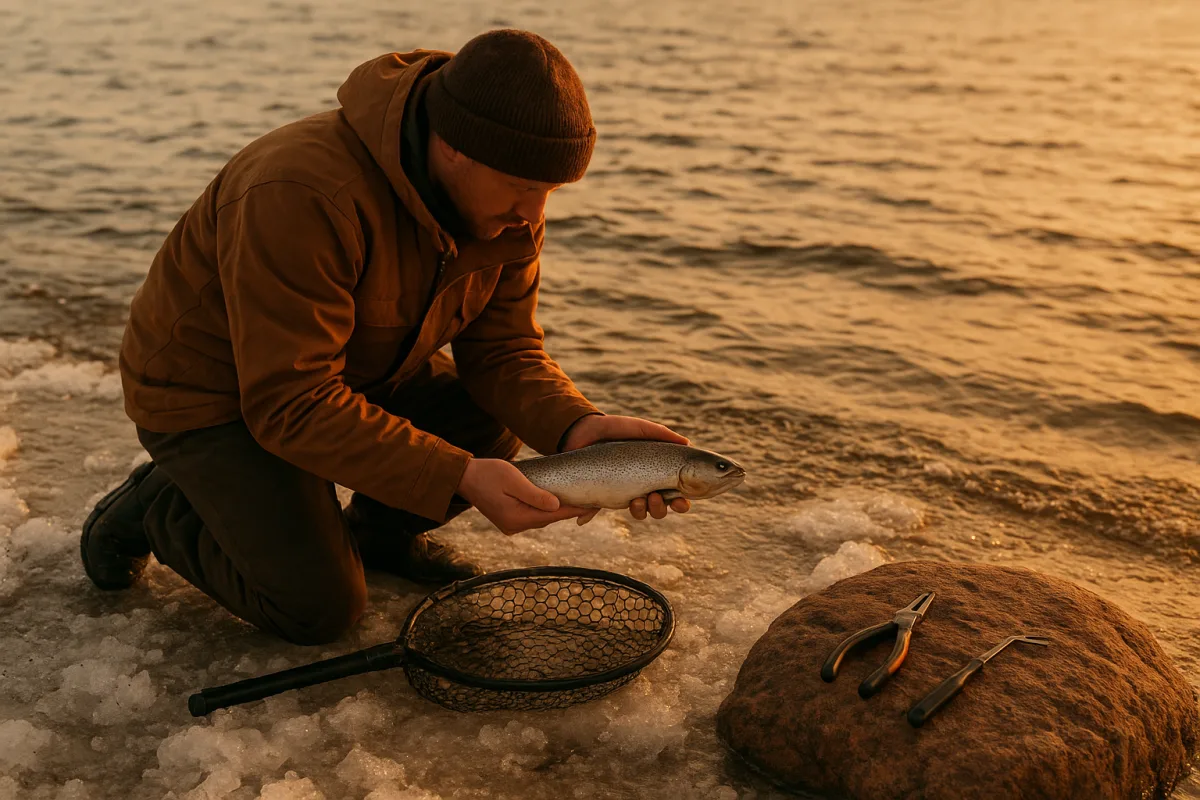
- Handling Fish Carelessly: Proper fish handling is essential for the survival of released fish. Use wet hands when handling them and avoid prolonged exposure to air.
Conclusion: The Art and Science of Shore Fishing
Shore fishing is as much about strategy as it is about patience. Understanding the specific species you can catch, the conditions that influence their behavior, and the best practices for bait and handling can dramatically improve your success rates. While popular sources may provide general advice, the nuances of local conditions often dictate what works best. By being adaptable and informed, you can make the most of your time spent fishing from the shore. So, next time you plan your outing, take a moment to review the tides, weather, and your target species to set yourself up for a successful day on the water.
Frequently Asked Questions
What fish can you catch from the shore?
Common species that can be caught from the shore include Atlantic Croaker, Bluefish, Sea Mullet, Pompano, and Sheepshead. Each species has specific habitat preferences and feeding behaviors that can influence catch rates.
What are the best conditions for shore fishing?
Optimal conditions for shore fishing include fishing during transitions between high and low tides, particularly at dawn and dusk when fish are more active. Overcast weather can also enhance fish feeding activity, making it a potentially better time to fish compared to bright, sunny days.
What bait is effective for shore fishing?
Effective baits for shore fishing include live sand crabs, marine worms, fresh shrimp, and artificial baits designed to mimic the movements of injured fish. The choice of bait can significantly impact the success of catching specific fish species.
How do tides affect shore fishing?
Tides play a crucial role in shore fishing, as fish tend to be more active during the transitions between high and low tides. Many anglers find that fishing during moving tides yields better results, although some have reported success during slack tides as well.
Sources
- Fisherman's Paradise Unleashing the Secrets of Surf Fishing in Virginia Beach - The Beach Angler
- Atlantic Croaker: Identification, Habitat & How to Catch | FishDatabase
- Bluefish Fishing Info | onWater Fish, Habitat, Waters & Catch Details
- Tangier, Pocomoke, and Lower Shore Fishing Report, August 2026 | FishTalk Magazine
- Sea-Mullet-202
- Hatteras/Ocracoke, August 2026 | Fisherman's Post
- Louisiana Sportsman
- Sheepshead | LOCAL Life SC | Hilton Head Island & Bluffton
- Wrightsville Beach, August 2026 | Fisherman's Post
- Yellowtail flounder | Virginia Institute of Marine Science
- Striped Bass Species Guide: Size, Habitat & Population 2026
- Striped Bass | NC DEQ
- Learn about striped bass | Mass.gov
- Striped Bass
- How to Catch Surfperch: Baits, Rigs & Reading the Beach | Guidepole
- How to fish for surfperch | Oregon Department of Fish & Wildlife
- Recreational saltwater fishing regulations | Mass.gov
- NC Saltwater Fishing Regulations: Seasons & Limits
- Recreational Size and Bag Limits | NC DEQ
- N.Y. Comp. Codes R. & Regs. Tit. 6 § 40.1 - Marine fish-open seasons, size and catch limits | State Regulations | US Law | LII / Legal Information Institute
- Illinois Fishing Season and Limits for 2026-2027 by Month, Species, Licenses & Hotspots - StateOutdoors.org
- Fishing Regulations & Laws | Department of Natural Resources
- Tide Times and Tide Chart for Fishing Point, Fishing Bay, Chesapeake Bay
- Point Loma Tide Chart & Fishing Times (Aug 2026) | Ebb
- 15 Florida Shore Fishing Mistakes That Cost You Fish
- NJ Surf Fishing Bluefish 2026 | Find Blitzing Blues (2026)
- How to Catch Bluefish, FishRadar
Related Articles
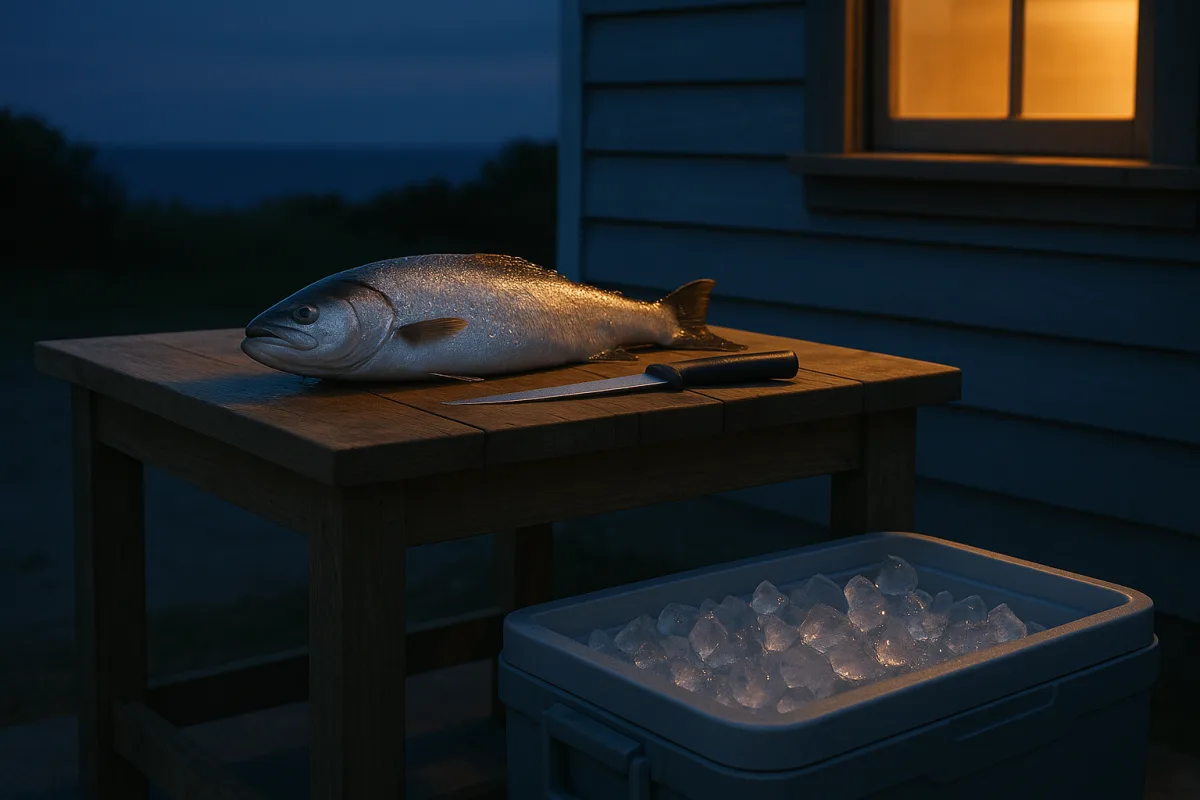
How to Clean Fish After Surf Fishing: A Practical Guide
Learn how to clean fish after surf fishing with step-by-step techniques, essential tools, and tips for maintaining freshness.
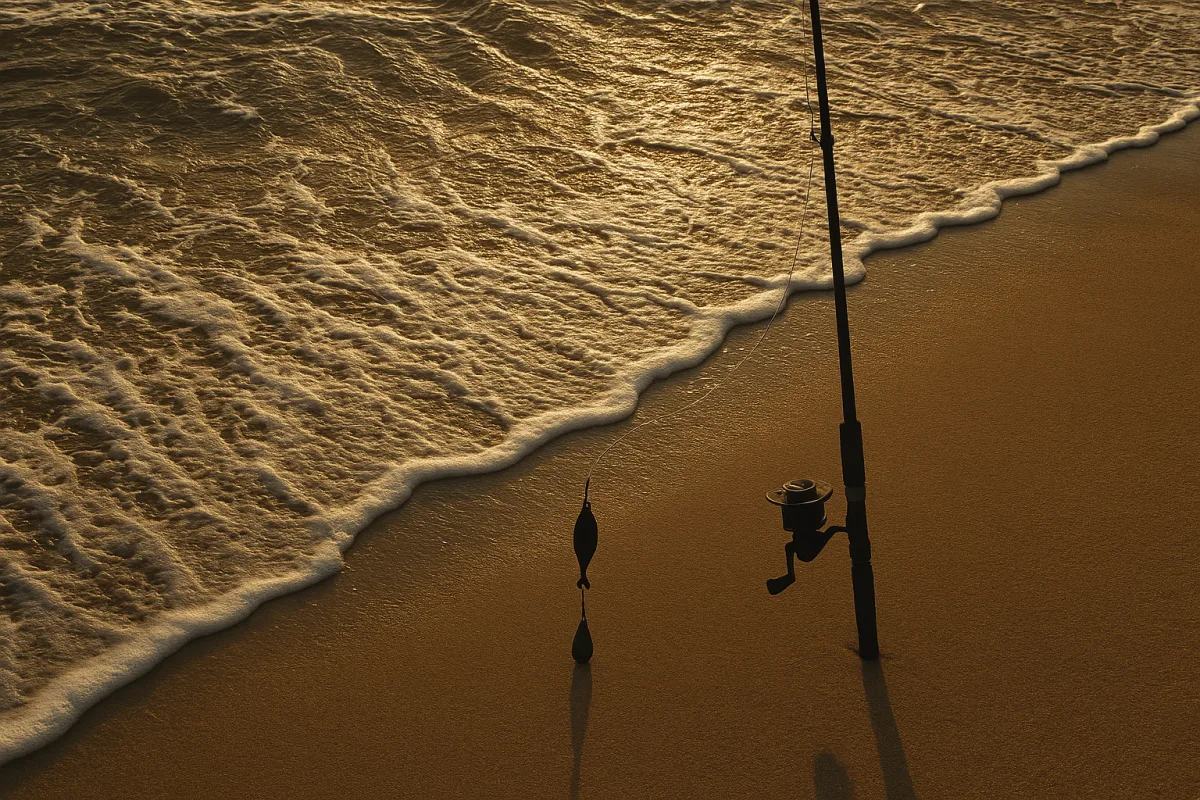
Surf Fishing in Murky Water: Tips for Catching Fish
Learn how to catch fish surf fishing in murky water with rigs, bait, and beach reading tips for low-visibility conditions.
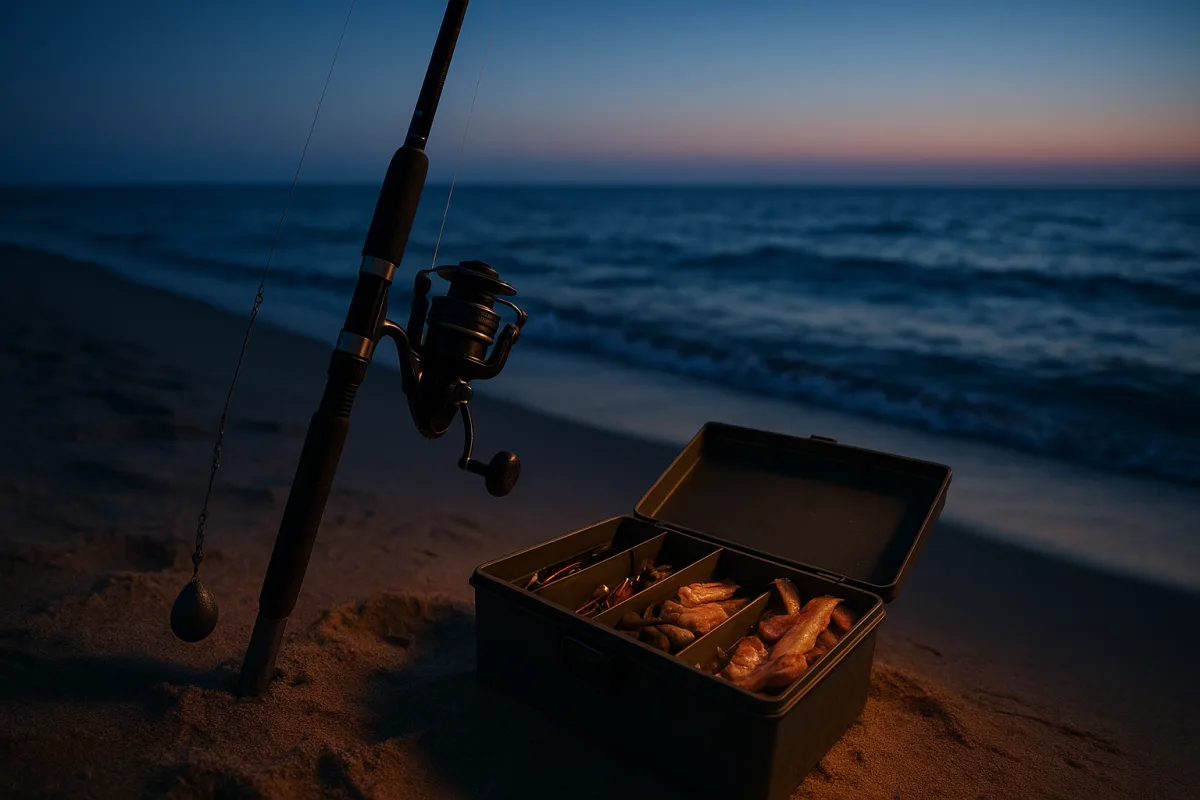
Fish in Season for Surf Fishing: Regional Seasonal Guide
Discover which fish are in season for surf fishing by region and month to plan your best catch with this detailed seasonal guide.
How to Handle Fish After Catching: Proper Techniques
Learn how to handle fish after catching with proper techniques to minimize harm and improve catch and release success.