How to Read Surf Conditions for Fishing: A Guide
Learn how to read surf conditions for fishing, including wave height, tides, wind, and water clarity for a successful outing.
How to Read Surf Conditions for Fishing: A Practical Guide
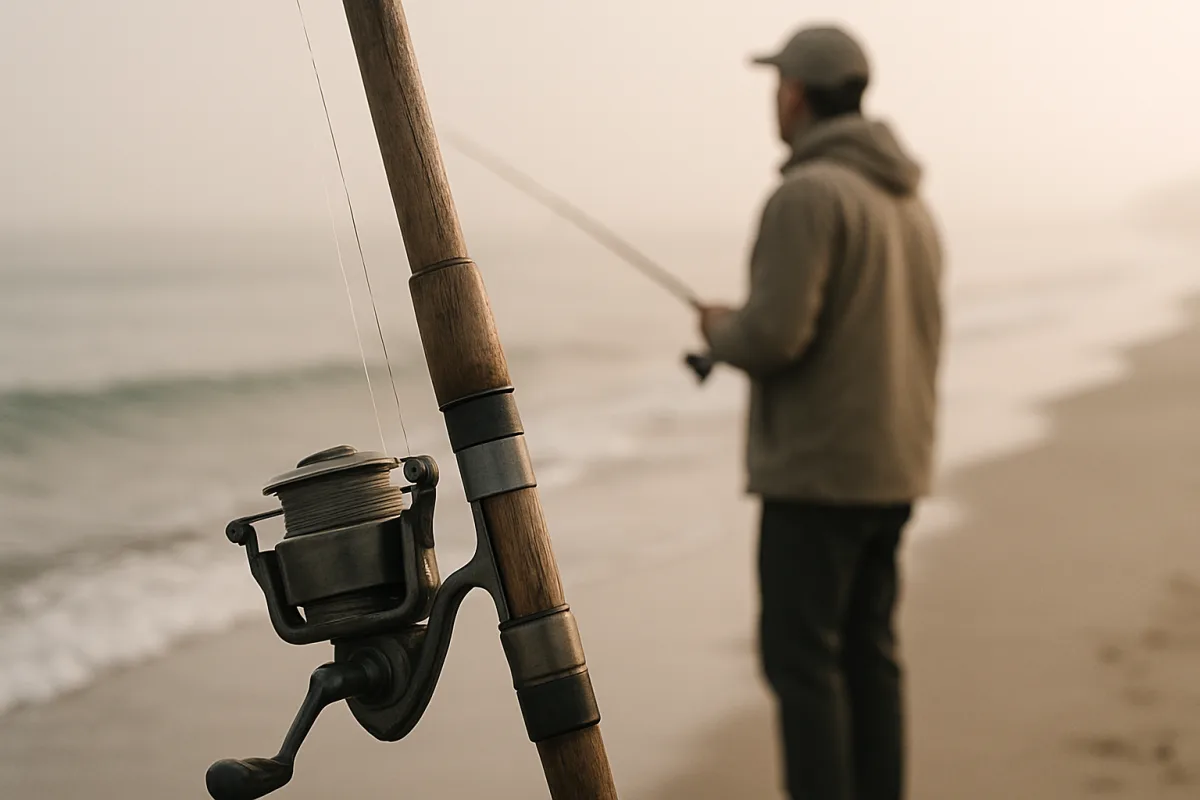
Surf fishing is not just about casting a line into the ocean; it’s about understanding the intricate dance between the ocean's conditions and fish behavior. For those hoping to reel in a big catch, knowing how to read the surf is crucial. In this guide, we’ll break down the essential factors that influence surf conditions, focusing on what you need to know before you hit the beach.
Understanding Wave Height and Period
When it comes to wave height, many anglers have been led to believe that larger waves, typically over three feet, will lead to better fishing conditions. However, it’s important to note that smaller waves, particularly those that come with longer swell periods, often yield better fishing results. These smaller, rolling waves allow fish to venture closer to the shore, making them more accessible to anglers.
The ideal situation can vary greatly depending on local conditions and the specific species you’re targeting. Fish behavior can be influenced by wave patterns, but there’s a lack of definitive data about the optimal measurements for wave height and swell period. Thus, it’s essential to approach each fishing outing with a flexible mindset, paying close attention to local conditions.
The Role of Tides
Tides are a significant factor in surf fishing success. Fish are most active during moving water, particularly around tide changes. Generally, the best fishing occurs during the middle of a tide swing when water movement is strongest. This is especially true during spring tides, which create stronger currents, encouraging fish to feed more actively. Conversely, during neap tides, when the difference between high and low tide is less pronounced, fish may be less active.
Many anglers make the mistake of fishing during slack tide, which is when the water is relatively still. This period can be unproductive, as fish are less likely to be feeding. Instead, plan your fishing trips around the tides, aiming to be on the beach during the incoming and outgoing tide phases.
Wind Speed and Direction
Wind conditions play a crucial role in surf fishing. An ideal wind speed for fishing is between 5-10 mph, with offshore winds being preferable. Offshore winds help create smoother wave faces, which can improve fishing conditions. Onshore winds, however, can lead to choppy waters that make it difficult to spot fish and affect bait presentation.
Before you head out, check the wind direction. If it’s blowing towards the shore, it’s likely that the surf will be choppy, potentially pushing fish further out. Conversely, if the wind is blowing offshore, conditions may be more favorable for fishing.
Water Clarity
Clear water is generally more productive for fishing, as many species rely on sight for hunting. Murky water can significantly hinder visibility, making it difficult for fish to locate bait. If you arrive at a spot and the water is murky, it may be a good idea to relocate.
Keep in mind that water clarity can be affected by several factors, including recent rain, winds, and tides. If you’re fishing in an area known for its clear water, but conditions are murky, it might be worth waiting for a tide change or moving to a different spot.
Current Patterns
Understanding local current patterns is essential for predicting fish behavior. Currents can change based on tidal movements, wind conditions, and even the shape of the coastline. Fish often position themselves in currents to ambush prey carried along by the water. Identifying these current lines can be key to finding where fish are congregating.
Before you cast your line, take a moment to observe the water. Look for areas where the water seems to be moving more quickly or where there's a clear delineation between faster and slower water. These spots often attract fish looking for an easy meal.
Common Mistakes to Avoid
While understanding surf conditions can greatly improve your chances of success, there are common pitfalls that many anglers fall into:
- Fishing During Slack Tide: As mentioned earlier, slack tide is generally unproductive. Plan your fishing around moving water.
- Misunderstanding Wave Height: Don’t assume that bigger waves always mean better fishing. Pay attention to swell periods and local conditions.
- Ignoring Wind Direction: Always check wind forecasts. Offshore winds can improve conditions, while onshore winds may worsen them.
- Fishing in Murky Water: Avoid spots where visibility is low. Fish tend to be less active in these conditions.
- Assuming High or Low Tide is Always Better: Understand that different surf breaks behave differently. Don’t rely on generalizations; observe the specific conditions of your fishing spot.
Selecting the Right Spot
Choosing the right fishing spot involves more than just picking a scenic beach. Look for areas where the structure of the ocean floor creates natural ambush points for fish, such as jetties, rocky outcrops, and sandbars. These structures can create currents and eddies that attract baitfish, in turn drawing larger predatory fish.
Another important factor is proximity to deep water. Fish often move in and out of deeper waters to feed, so spots that offer easy access to both shallow and deep water can be particularly productive.
Conclusion
Reading surf conditions for fishing is a skill that requires both knowledge and observation. By understanding how wave height, tide movements, wind conditions, water clarity, and current patterns interact, you can significantly increase your chances of a successful outing. Remember, successful surf fishing is about adaptability; local conditions will always dictate what works best.
Make it a habit to check forecasts and tide charts before heading out. With a practical approach grounded in the realities of the ocean, you’ll be better equipped to tackle the challenges of surf fishing and, hopefully, bring home a great catch.
Frequently Asked Questions
What factors influence surf conditions for fishing?
Several factors influence surf conditions for fishing, including wave height and period, tides, wind speed and direction, water clarity, and local current patterns. Each of these elements can affect fish behavior and availability, making it essential for anglers to consider them before heading out.
How do tides affect surf fishing?
Tides significantly impact surf fishing success, with fish being most active during moving water, particularly around tide changes. The best fishing typically occurs during the middle of a tide swing when water movement is strongest, especially during spring tides, which create stronger currents.
What is the best wind direction for surf fishing?
Offshore winds are preferred for surf fishing as they create smoother wave faces, improving fishing conditions. Conversely, onshore winds can lead to choppy waters, making it more challenging to spot fish and affecting bait presentation.
How can I determine water clarity for fishing?
Water clarity can be assessed by observing visibility conditions at your fishing spot. Clear water is generally more productive, while murky water can hinder fish from locating bait. Factors such as recent rain, winds, and tides can affect water clarity, so it's advisable to relocate if visibility is low.
Sources
- Beach Conditions
- Local Factors For Good Waves
- Waves - Currents: NOAA's National Ocean Service Education
- Eyeball Surf Report | prosurfcoaches
- Offshore Wind Explained | Surfbase Guide
- How Wind Affects Fishing, FishRadar
- Fishing Wind Speed Guide, How Wind Affects Fishing | CastConditions
- How Wind Affects Fishing, and How to Use It to Your Advantage | Catch Dam Fish
- What Is the Best Time, Tide, Weather Condition, and Water Temperature for Surf Fishing?, Surfcasting Republic
- NJ Surf Fishing Striped Bass 2026 | Best Beaches & Rigs
- NJ Surf Fishing Guide | Stripers, Blues, Fluke from the...
- Best Bait for Surf Fishing: Natural & Artificial Guide | Proven Tips | 2026
- Surf Fishing Guide: Rigs, Baits, Best Beaches & Techniques | One…
- Surf Fishing for Beginners: The Essential Gear Checklist
- Surf Fishing With Artificial Lures - Top Lures That Will Land You More Fish On The Beach
- 15 Florida Shore Fishing Mistakes That Cost You Fish
- Mastering Surf Forecasts: Insights for Surfers
- Onshore and offshore wind from a fishing access, Fishing Weather
- Beginner Mistakes to Avoid When Surf Fishing
- How Tides Affect Surfing: High Tide vs Low Tide Explained
- Does Tide Affect Surf Conditions? Is There a Best Tide to Go Surfing?
- Best Tide for Fishing: The Complete Guide to Tidal Fishing
- How Tides Affect Fishing: The Complete Guide | USTideCharts
Related Articles
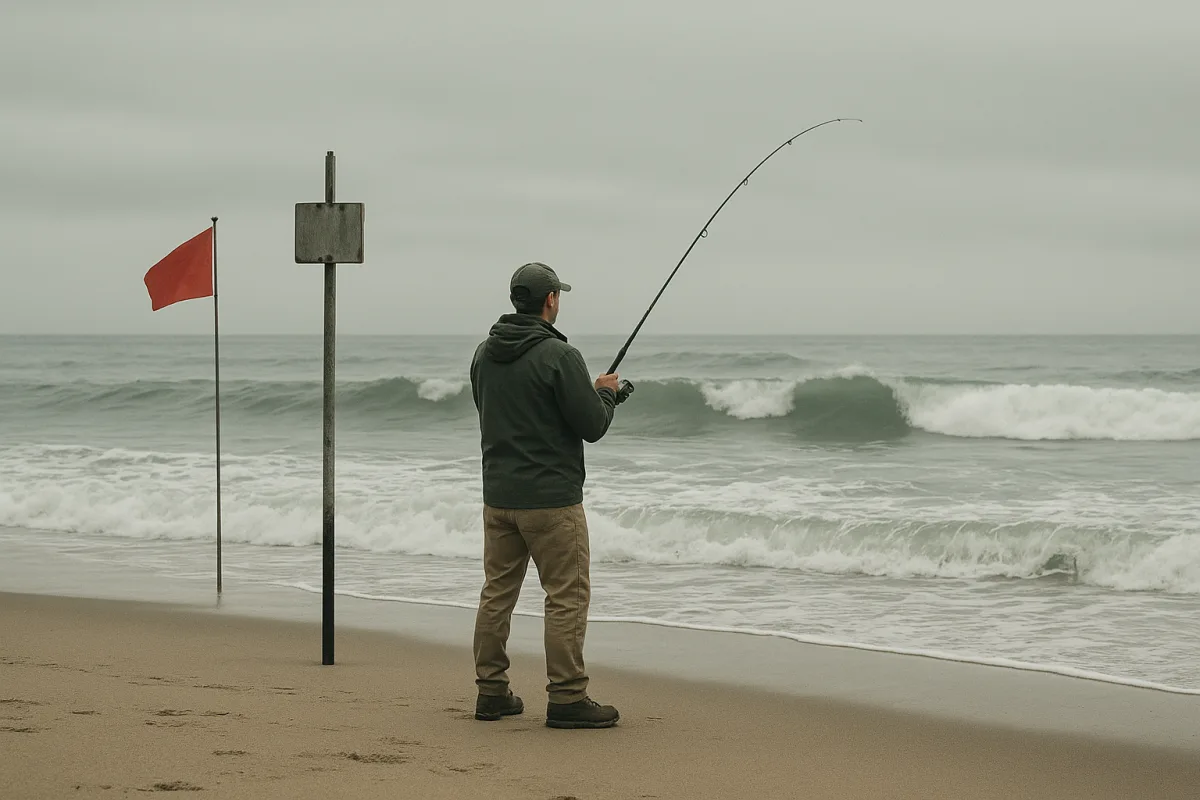
Interpreting Surf Fishing Conditions: Waves, Wind & Tides
Learn how to interpret surf fishing conditions like waves, wind, and tides to improve your beach fishing success and safety.
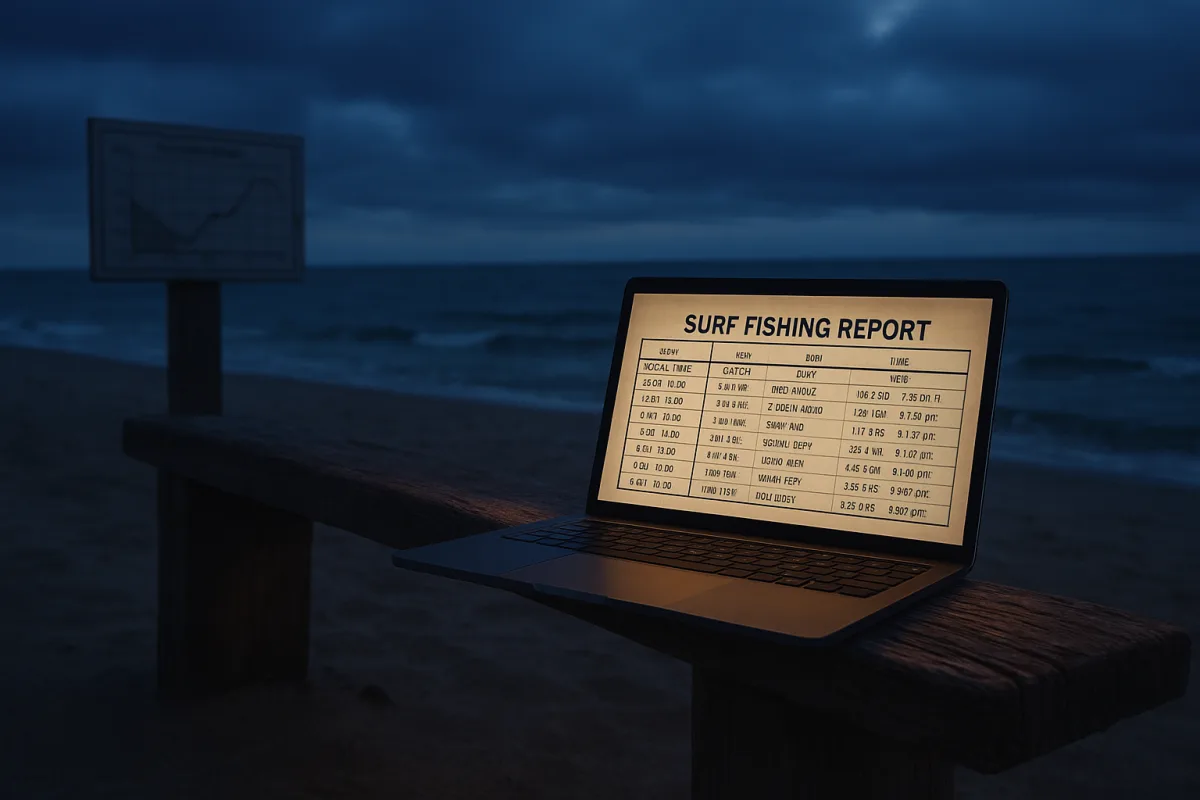
How to Find Surf Fishing Reports Online for Accurate Updates
Learn how to find surf fishing reports online with tips on using timestamped observations, local updates, tides, and weather for better fishing success.
How to Interpret Surf Fishing Reports for Better Fishing
Learn how to interpret surf fishing reports including tides, wind, and temperature to improve your surf fishing success.
Surf Fishing in Murky Water: Tips for Catching Fish
Learn how to catch fish surf fishing in murky water with rigs, bait, and beach reading tips for low-visibility conditions.