Best Times to Surf Fish in Winter: A Practical Guide
Discover the best times to surf fish in winter, including tips on local conditions, species behavior, and optimal fishing strategies.
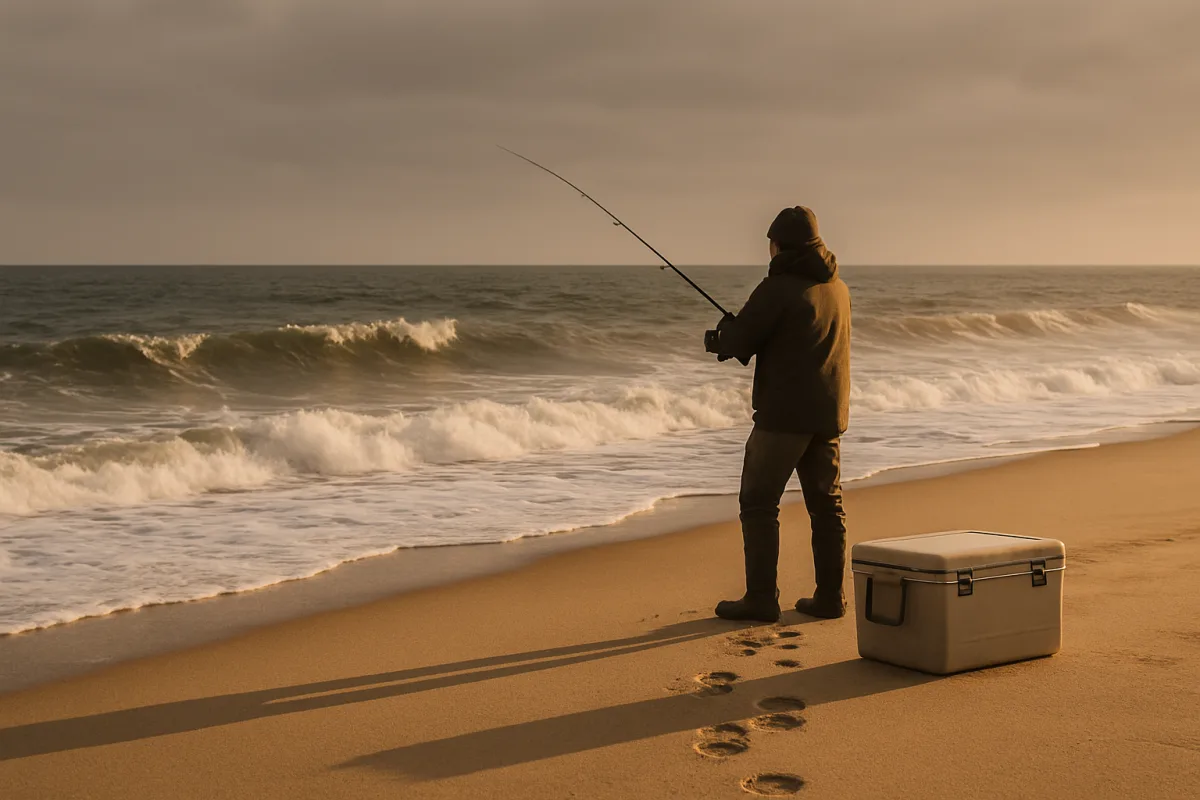
Optimal Times for Surf Fishing in Winter: A Practical Analysis
As winter rolls in, many anglers find themselves grappling with the question: when is the best time to surf fish during these colder months? While general advice suggests that midday hours, particularly between 10 AM and 2 PM, are optimal, this approach can be misleading. A closer examination of local conditions, species behavior, and water temperatures reveals that relying solely on broad timeframes may lead to inconsistent results.
The Reality of Winter Surf Fishing
In regions such as New Jersey, winter surf fishing can prove to be less productive compared to the warmer months. Local conditions play a crucial role in determining fish activity, which means that anglers cannot afford to take a one-size-fits-all approach. One source indicates that certain species, like striped bass, may only be present until January, suggesting that your window for productive fishing can be quite narrow.
Additionally, the water temperatures in these areas can drop to between 38 and 55°F (3 to 13°C) during winter. This cooling can significantly affect the behavior of various target species, making them less active and more challenging to catch. For instance, many fish prefer warmer waters for feeding, and the drop in temperature during winter often pushes them deeper or into warmer pockets, reducing their presence in surf zones.
Timing: A Closer Look
Despite the consensus that midday is generally the best time for surf fishing, this guideline does not take into account the variability of local conditions such as tide cycles, weather patterns, and water temperatures. For example, if a cold front has just moved in, fish may be less willing to bite regardless of the time of day. Conversely, during a mild winter day, fish may be more active later in the day as temperatures rise.
Moreover, tidal movements can also significantly influence fish activity. A rising tide is often considered favorable for surf fishing, as it can create more favorable feeding conditions. However, if the tide is too high or low, fish may become less active, making the timing of your fishing trip crucial. Therefore, it’s essential to consult tide charts before heading out and to adapt your schedule based on real-time conditions.
Species Behavior and Bait Selection
When targeting specific species, it’s essential to understand their behavior during winter months. While certain fish like red drum and speckled trout can be active during cold snaps in some regions, others may become less active as the weather cools. This variability means that anglers should remain flexible and adapt their strategies according to what they know about the specific species in their area.
Despite some general recommendations for effective baits, such as fresh dead shrimp, mussel meat, and soft baits, the effectiveness of these options can fluctuate based on local conditions and the behavior of the fish. For instance, while fresh dead shrimp might be a go-to bait in warmer months, its effectiveness can diminish during winter when fish are less active. Therefore, anglers should stay informed about current conditions and be prepared to switch baits if they are not yielding results.
Recommended Rigs for Winter Surf Fishing
Having the right rig can make a significant difference in your winter surf fishing success. Some commonly recommended rigs include:
- Fish Finder Rig: This rig allows the fish to take the bait without feeling resistance, making it ideal for winter when fish may be less aggressive.
- Double-Drop Bottom Rig: This is useful for targeting multiple fish species in the surf, as it allows for two baits to be deployed at once, increasing your chances of a catch.
- High-Low Rig: This rig is effective for reaching different depths and can be particularly useful if fish are sitting at varying depths due to temperature changes.
Each of these rigs has its advantages, but their effectiveness can vary based on local conditions, so anglers should be prepared to adjust as necessary.
Challenges and Common Mistakes
While much is known about effective techniques and rigs for surf fishing, there is a noticeable gap in the documentation of common mistakes made by anglers during winter fishing. This lack of information means that many anglers may unknowingly fall into pitfalls that could compromise their success.
One common mistake is failing to account for water temperatures when choosing fishing times and locations. For example, if an angler heads out during a cold snap without considering that fish may have retreated to warmer waters, they are likely to return empty-handed. Another potential error is over-relying on specific bait types without testing their effectiveness in local waters.
Conclusion: A Practical Approach to Winter Surf Fishing
In summary, while general advice points to midday as the best time for surf fishing in winter, it is crucial to consider local conditions, species behavior, and specific water temperatures. The winter months can indeed present challenges for anglers, but understanding the nuances of these conditions can lead to more successful outings.
Rather than sticking rigidly to broad timeframes, anglers should adapt their strategies based on real-time observations and reliable data, including tide charts and local weather forecasts. By doing so, they can maximize their chances of landing a catch even in the colder months.
Frequently Asked Questions
What are the best times to surf fish during winter?
The best times for surf fishing in winter are generally considered to be midday, particularly between 10 AM and 2 PM. However, local conditions such as water temperature, tide cycles, and weather patterns can significantly alter this effectiveness, suggesting that relying solely on this timeframe may not yield consistent results.
How do local conditions affect winter surf fishing?
Local conditions play a crucial role in determining fish activity during winter. Factors such as water temperature, tide cycles, and weather patterns can influence when and where fish are most active, making it essential for anglers to adapt their strategies based on real-time observations rather than adhering strictly to general guidelines.
Which species are most active for surf fishing in winter?
Certain species, like red drum and speckled trout, can be active during cold snaps in specific regions. However, other species, such as striped bass, may only be present until January, indicating that the availability of target species can vary significantly during the winter months.
What tides are best for winter surf fishing?
A rising tide is often considered favorable for surf fishing, as it can create better feeding conditions for fish. However, if the tide is too high or too low, fish may become less active, making it important for anglers to consult tide charts and adjust their fishing times accordingly.
How does water temperature impact winter surf fishing?
Water temperatures in winter can drop to between 38 and 55°F (3 to 13°C), which can significantly affect the behavior of various target species. Many fish prefer warmer waters for feeding, and the drop in temperature often leads them to retreat to deeper or warmer pockets, making them less active and more challenging to catch.
Sources
- Timing And Weather Windows For Winter Surf Fishing - The Beach Angler
- Surf Fishing in the Outer Banks: Best Times of the Year
- How Water Temperature Affects Surf Fishing: Best Temps & Fish Behavior
- Winter Surfing in New Jersey | Cold Water Surf Guide
- Winter Surf Fishing Peaks When It's Coldest
- Try These Tips For Winter Surf Fishing - Hill Country Post
- Surf fishing, Baits, locations, tackle and tactics for cold-water success in the surf | Western Outdoor News
- Winter Surf Fishing On The US West Coast - The Beach Angler
- Best Bait for Surf Fishing: Natural & Artificial Guide | Proven Tips | 2026
- Surf Zone Fishes
- NJ Surf Fishing Guide | Stripers, Blues, Fluke from the...
- California Corbina: Identification, Habitat & How to Catch | FishDatabase
- Morro Bay Fishing Conditions: Swell, Tides, and Where to Cast | Blog
- Two Sure-Fire Spots for Big Winter Surfperch | BDOutdoors
- Surf Fishing Guide: Rigs, Baits, Best Beaches & Techniques | One…
- Best Surf Fishing Rods for the Outer Banks (2026 Guide)
- Surf Fishing Gear : Tackle / Surf Fishing Gear / Gear Shop | Red Sky Surf Hunters
- 10 Must-Have Best Fish Finder Rigs for Surf Fishing - collection26
- The BEST Rig for Winter Sight Fishing
Related Articles
Best Times to Surf Fish at Night: Tide and Moon Insights
Discover the best times to surf fish at night using tides, moon phases, and seasonal tips for more productive night fishing sessions.
Best Times to Surf Fish in Spring: Tide and Temperature Tips
Discover the best times to surf fish in spring based on tides, water temperature, and weather for more successful fishing trips.
Best Time of Day to Surf Fish: Optimize Your Catch
Discover the best time of day to surf fish and enhance your success with tips on tides, water temperature, and seasonal patterns.
Best Surf Fishing Setup for Winter: Rigs, Gear & Tips
Discover the best surf fishing setup for winter including rigs, sinker weights, rod choices, and tips to keep bait in feeding lanes during cold months.