
How to Prepare for a Surf Fishing Tournament
Learn how to prepare for a surf fishing tournament with the right gear, rigs, rules, and beach reading strategies to improve your chances.
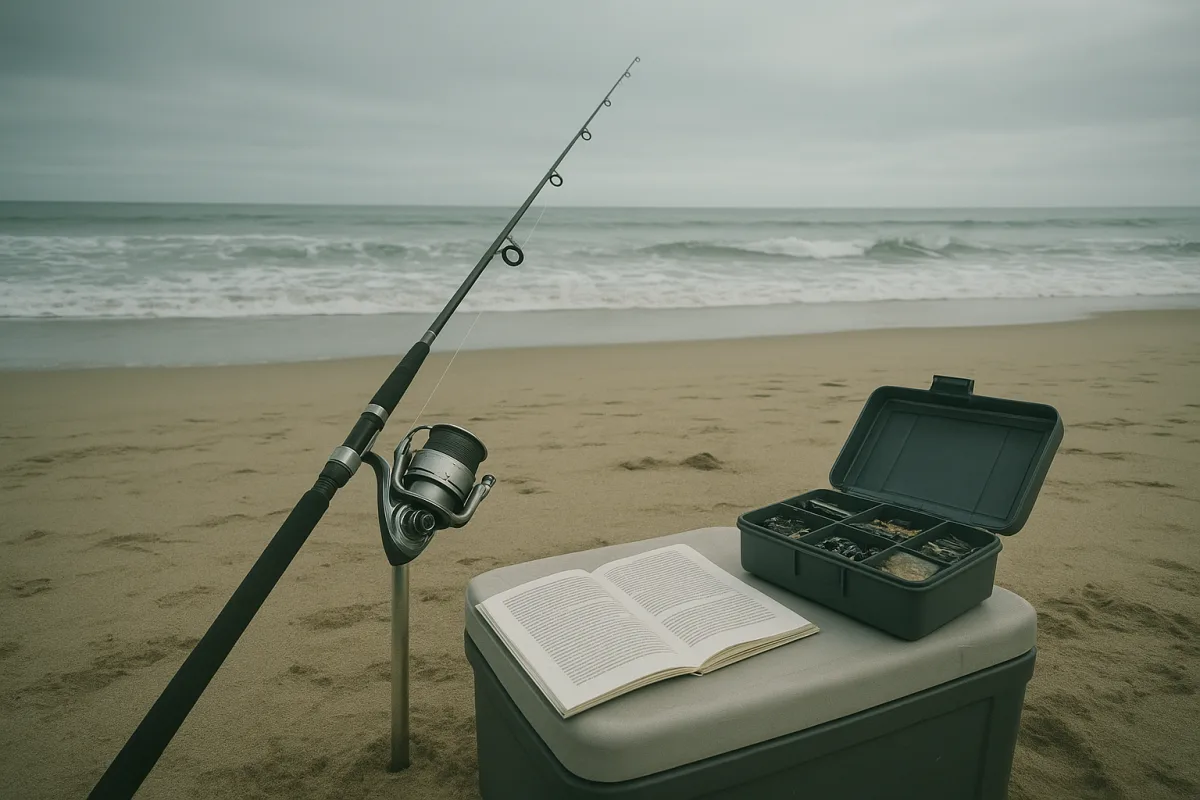
Start with the rulebook, not the tackle shop
The first tournament problem is not finding fish. It is avoiding a disqualification, a short fish or an otherwise good catch that does not count. Rules are regional and organizer-specific, particularly on species, measurement, bait, hooks and release procedures. [5][15]
Do not assume that a surf tournament means any fish caught from the sand qualifies. Some events set minimum fish sizes, and tournament rules can specify tackle types, restrict hooks or bait, and prohibit practices such as chumming. [5][15]
Write down five items from the current rules: eligible species, minimum lengths, scoring format, fishing boundaries and check-in procedure. Then add the legal tackle restrictions, including whether natural bait, artificial lures, multiple hooks or certain rigs are prohibited.
Catch-and-release treatment is especially worth checking. The available event information does not support a universal rule, because some organizers specify it and others do not. If release documentation, photographs or check-in windows are required, learn that process before fishing starts.
A fish measured on the beach is only useful if it meets that event’s measuring method. Bring the required measuring device if one is specified, and know whether the organizer uses total length, fork length or another standard. Do not rely on a tape that remains buried in a tackle bag.
Set the budget and deadline before planning the trip
Tournament economics can change the decision about which event is worth fishing. The Hatteras Island Surf Fishing Challenge lists an $85 entry after September 16, plus an optional $25 slot tournament, with more than $12,000 in prizes advertised. [7]
At the lower-cost end, North Wildwood’s surf fishing competition lists a $15 fee and prizes across adult and youth divisions. [9] The LBI Spring Surf event lists a $20 entry and prizes of $1,000, $600 and $400 for its top three places. [14]
Other formats cost more because they are not comparable shore events. Emerald Isle lists a $100 fee without published prize details in the available information, while boat-based Wrightsville Beach competition lists $165 to $195 per boat and more than $15,000 in prizes. [5]
Those figures are planning references, not promises. Entry costs, optional divisions, registration dates and prize structures can change, and the research does not establish complete 2026 deadlines or payouts across all major tournaments. Confirm directly with the organizer before booking lodging or fuel.
Build a setup that can fish a full tide
General surf advice often allows a 9 to 12 foot rod and 4000 to 6000 size reel. That can work for casual fishing, but it leaves the shorter 9-foot option at the light end of tournament-oriented recommendations. [2][3]
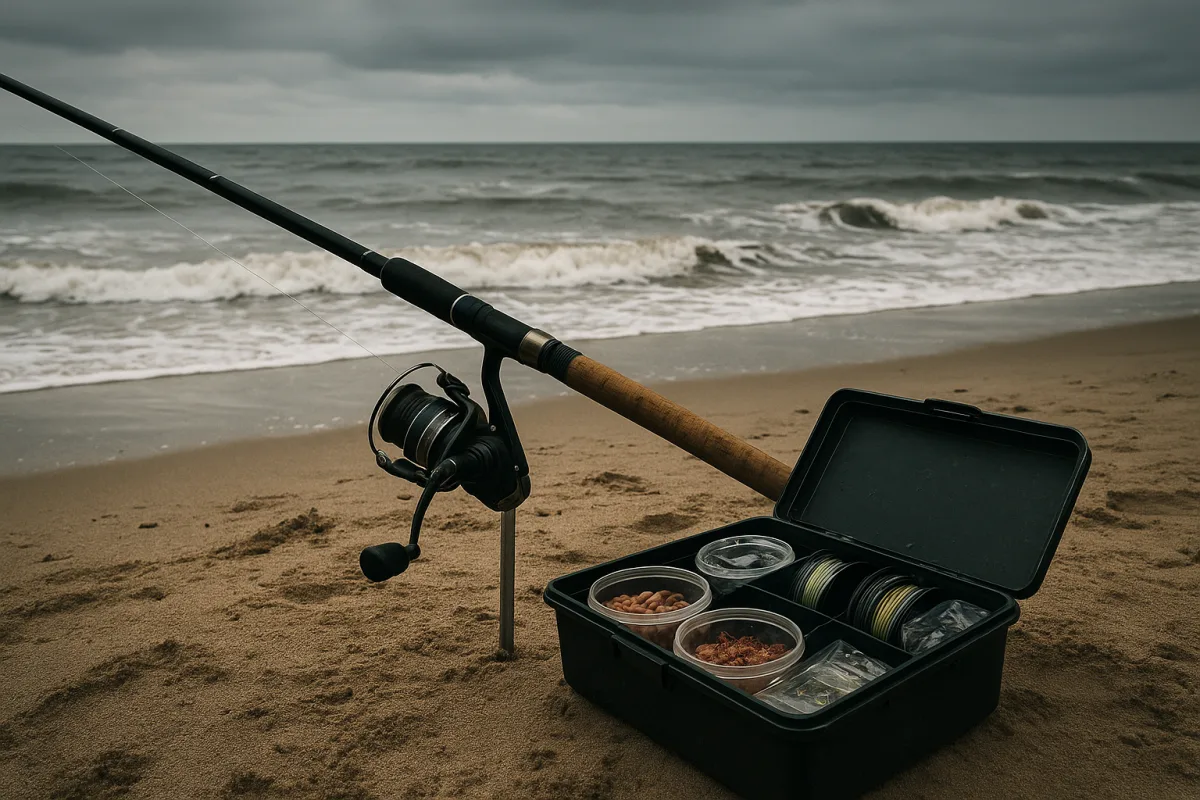
For a tournament, start with a 10 to 12 foot medium-heavy or heavy spinning rod. The extra length provides casting leverage and helps keep line above closer shore wash, while the heavier power is more suited to holding bait, sinker and fish in moving surf. [2][3]
Pair it with a 6000 to 8000 size spinning reel carrying 30-pound braid and roughly 20 to 30 pounds of drag capacity. Tournament-oriented guidance favors this more robust reel range over smaller general surf reels, particularly where current and abrasion are part of the day. [3]
Use a three to four foot, 40 to 60-pound monofilament or fluorocarbon leader. General surf recommendations can run lighter line, but the heavier leader range gives more protection around sand, shells and fish that must be landed quickly and measured legally. [3][19]
Bring spare leader material, swivels, beads, sinkers and pre-tied rigs in separate labeled bags. That is not about carrying every option. It prevents a lost rig during a productive tide from turning into ten minutes spent sorting tangled terminal tackle.
A sand spike is equally practical. It keeps the rod out of blowing sand, holds the line angle consistently and lets an angler watch several rods only where tournament rules permit them. Check rod-number limits before setting a spread. [15]
Tie rigs for the water you expect, not the rig you like
The Fish Finder rig is the broadest starting point for larger bait and unsettled water. Use a sliding pyramid sinker from 2 to 6 ounces, a 24 to 36 inch leader and a 1/0 to 4/0 circle hook. [10][11]
This rig makes sense when the bait needs to stay near the bottom but move naturally after a fish picks it up. Begin with the lightest pyramid sinker that will hold, then increase only if the current drags the bait out of the trough.
For pompano and similar smaller bait-feeding fish, carry a double-dropper Pompano rig. It uses two dropper loops, size 1/0 hooks, small floats and compact offerings such as sand fleas or shrimp. [10][11]
The point of that arrangement is coverage close to the bottom with two modest baits, not distance for its own sake. A small shrimp piece or sand flea is easier for a smaller fish to take cleanly than an oversized bait intended for drum or bass.
A High-Low rig fills a similar role when you want two baits set at different heights. Tie the droppers 12 to 18 inches apart, use 1/0 to 2/0 hooks and hang a 2 to 4 ounce sinker below them. [10]
The Carolina rig belongs in the kit for a lighter presentation. Its 1 to 2 ounce bullet or egg sinker, 18 to 24 inch leader and 3/0 to 5/0 wide-gap hook suit shrimp or soft plastics where the surf is manageable. [11]
Do not force the Carolina rig into water that requires a heavier sinker simply to stay put. If the bait continually walks down-current, the presentation is no longer doing its job. Switch to a Fish Finder configuration with enough pyramid weight to hold bottom.
Match bait, hooks and leaders to the scoring fish
Carry circle hooks from size number 6 through 4/0, then match hook and bait size to the species you can legally score. Small hooks and compact bait suit pompano, while larger hooks belong with larger cut or live offerings. [3][10]
Small shrimp and sand fleas are appropriate for pompano-style presentations. Cut mullet and shrimp are commonly used for red drum, while live eels and bunker chunks are associated with striped bass fishing. [10][11]
That does not mean all those baits will be legal or useful at your event. The tournament’s species list should dictate the cooler. Carrying bunker for an event scored mainly on smaller surf species wastes space, time and attention.
Prepare bait before the start rather than cutting everything during the best tide. Keep enough fresh bait for several rotations, but avoid bringing so much that it thaws, softens or becomes hard to manage in heat and sand.
Find the fishable water before the starting signal
A tournament beach should be scouted as a structure problem. At low tide, look for sandbars, troughs, cuts through bars, rip channels and changes in bottom contour that will be less obvious once water covers them. [20]
The trough, often the deeper lane between beach and bar, is the first place to examine. Fish can use it as a travel route and feeding lane, so a short cast into a defined trough can be better than a long cast over it. [20][22]
Cuts and moving water matter because they concentrate flow across the bar. Cast along the edge of that moving water or into the adjacent trough, rather than automatically casting straight through the most dramatic whitewater. [20][22]
A visible rip is not automatically a tournament spot. It may be deep and useful, or it may carry too much debris and current for a bait to hold. Judge it by whether a manageable sinker can keep the offering in a fishable lane.
Featureless water is a poor default when there are identifiable troughs or edges nearby. One common surf-fishing error is overcasting, which can put bait beyond the water fish are using while skipping the nearer depression entirely. [18][22]
Mark access points, safe footing and any low-tide hazards while scouting. Tournament pressure encourages anglers to rush after a move, but a difficult walk over soft sand or flooded cuts costs time that a better pre-event plan would have saved.
Build the fishing plan around moving water
No precise tide schedule or tournament-specific best window for September 2026 is established in the available research. Use a local tide chart for the exact beach and date, then verify start times and access rules with the organizer. [5][7]
The general plan is still sound: fish the rising and falling portions of the tide, when water is moving, and be less confident during slack water. [19][21] That is a planning advantage, not a guarantee that fish will appear on command.
If the event permits movement, divide the day into tide phases. Fish the first selected structure through a meaningful portion of moving water, then move only when the current, bait, beach shape or catches around you show that the spot is not producing.
Avoid changing location, rig, bait and sinker weight all at once. If a bait keeps rolling, correct the sinker first. If the rig holds but goes untouched while a nearby trough is active, change the casting lane before rebuilding the entire setup.
Avoid the errors that waste a tournament tide
Do not arrive with dull hooks or a reel that has not been checked. Common surf-fishing mistakes include dull hooks, inadequate gear and poor reel maintenance, all of which become more expensive when the fishing window is limited. [18]
Do not use excessive sinker weight merely because the surf looks rough. Weight should hold the bait in the intended lane. Too much weight can deaden a lighter presentation and make casting, retrieval and snag recovery harder. [18][21]
Do not ignore the tide because the beach looks good at arrival. Structure changes in usefulness as water rises, falls and pushes along the bar. A productive cut at one stage can become difficult to fish when the sweep strengthens or the trough fills. [20][21]
Finally, do not confuse casting distance with effective coverage. The practical tournament angler puts the right bait into the right trough at the right part of the tide, then keeps the rig fishing cleanly enough that a legal bite can be detected and landed.
Frequently Asked Questions
How do I prepare for a surf fishing tournament?
Start by thoroughly reading the tournament’s current rulebook to understand legal species, minimum sizes, hook limits, eligible tackle, and scoring methods. Write down key rules such as eligible species, minimum lengths, scoring format, fishing boundaries, and check-in procedures. Confirm entry fees, prize pools, and registration deadlines with the organizer before planning travel or lodging.
What gear is best for surf fishing tournaments?
Use a 10 to 12 foot medium-heavy or heavy rod paired with a 6000 to 8000 size spinning reel. Main line should be 30-pound braided, with a 40 to 60-pound monofilament or fluorocarbon leader about 3 to 4 feet long. Carry hooks sized from #6 up to 4/0 depending on target species, and use pyramid or egg sinkers ranging from 1/4 to 4 ounces.
How do surf fishing tournament rules affect my setup?
Tournament rules vary widely and can restrict species, minimum fish sizes, hook counts, bait types, and rig styles. Some events prohibit chumming or multiple hooks, and may require specific measuring methods or catch-and-release documentation. Always tailor your tackle and rigs to comply exactly with the current event’s regulations to avoid disqualification.
What rigs should I bring to a surf fishing tournament?
Bring a variety of rigs for different conditions: a Fish Finder rig with a sliding 2–6 oz pyramid sinker and 24–36 inch leader for larger bait and stronger currents; a Pompano or High-Low rig with smaller hooks and lighter sinkers for active smaller fish; and a Carolina rig with 1–2 oz sinkers for lighter presentations where legal and practical.
How do tides and beach reading impact surf fishing tournaments?
Scout the fishing area at low tide and plan to fish around moving water such as troughs, cuts, and bar edges rather than casting blindly beyond the first break. Fishing during rising or falling tides is generally more productive, as slack tides tend to reduce fish activity. Understanding these features helps target productive water and improves catch chances.
How we researched this
This article was assembled from 24 cited references.
Nothing here is based on hands-on testing. Where a figure or finding appears, it belongs to the source cited beside it, and the writing says so rather than implying otherwise. Every source is listed below so you can check it.
Sources
- NJDEP| Fish & Wildlife | Garden State Surf Fishing Classic
- Best Surf Fishing Rods - Fishing Gear Guide | knots.fish
- Surf Fishing Gear : Tackle / Surf Fishing Gear / Gear Shop | Red Sky Surf Hunters
- 55th Channel Islands Billfish Tournament | Official Site
- Rules - Surf - Emerald Isle Fall Fishing Tournament
- 41st Annual 4Plus 4WD Surf Fishing Tournament | OBX Events | Outer Banks Events
- Hatteras Island Surf Challenge Welcome | Fisherman's Post
- Surf Fishing Casting Off in The Wildwoods | Sports Destination Management
- North Wildwood Rec. Dept. Surf Fishing Competition - The Wildwoods, NJ
- Surf Fishing Guide: Rigs, Baits, Best Beaches & Techniques | One…
- Surf Fishing Port Aransas: Rigs, Bait & Best Beaches (2026…
- Hatteras Island Surf Fishing Challenge | Lifestyle OBX
- Rules | Los Cabos Billfish Tournament
- The LBI Spring Derby — LBI Surf Fishing Tournaments
- Tournament Rules – Nags Head Surf Fishing Club
- 2026 Fred Golofaro Memorial Montauk Classic Surf Fishing Tournament Oct. 2 | LongIsland.com
- Rules | 96th ANNUAL SARASOTA TARPON TOURNAMENT
- Common Surf Fishing Mistakes and How to Avoid Them
- Surf Fishing for Beginners: Gear, Rigs & Timing
- Reading the Surf: Bars, Troughs, Cuts, and Productive Water | FishermensLife
- Surf Fishing Guide: How to Catch Fish from the Beach — The Fishing Manual
- Where to Cast When Surf Fishing | RigMyFish
- 第48回 国際カジキ釣り大会(JIBT) 下田沖|静岡県 | 釣り
- Surf fishing
Related Articles
How to Prepare for a Surf Fishing Trip: Gear, Tides & Tips
Learn how to prepare for a surf fishing trip with tips on gear, tides, beach reading, and safety to ensure a successful fishing day.
Best Surf Fishing Setup for Fall: Gear, Rigs & Tides Guide
Discover the best surf fishing setup for fall with gear, rigs, and tips on reading tides and beach structure for successful autumn fishing.
Best Surf Fishing Setup for Night Fishing: Rods, Rigs & Gear
Learn the best surf fishing setup for night fishing including rods, rigs, line, and tips for effective bait placement and tide timing.
Best Surf Fishing Setup for Summer: Rods, Rigs & Tides
Discover the best surf fishing setup for summer, including rods, rigs, tides, and beach reading tips for successful fishing sessions.