
Common Surf Fishing Mistakes and How to Avoid Them
Learn common surf fishing mistakes about rigs, tides, gear, and reading the beach to improve your catch and fishing strategy.
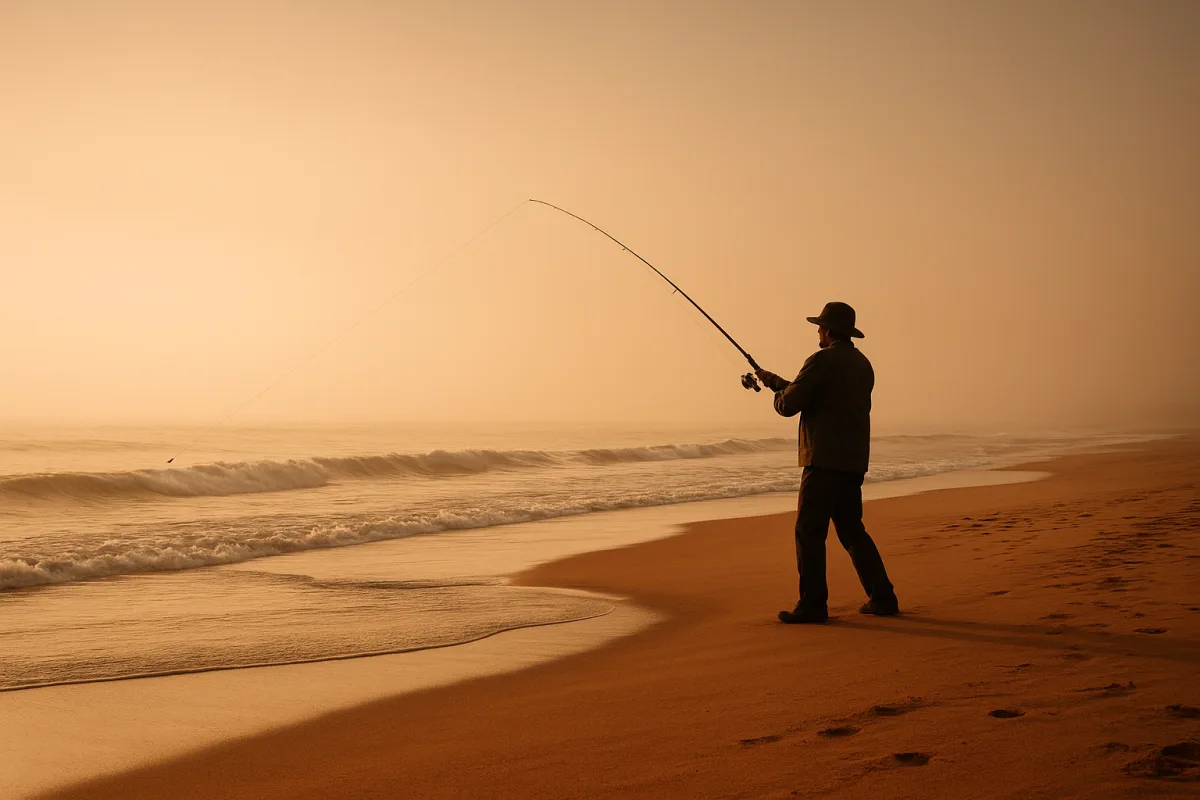
Common Surf-Fishing Mistakes Start With Fishing the Wrong Water
The mistake is treating the surf as open water
The most common surf-fishing error is not a bad knot or an unsuitable lure. It is fishing water that looks fishable from shore but has no reason to concentrate food, shelter prey or move fish past your bait.
A surf beach is not one uniform casting field. It is a shifting system of bars, troughs and channels, with tide-driven water moving differently over each feature. The productive spot is usually an edge or lane, not the broadest patch of water. [12]
That distinction explains several familiar failures at once. Overcasting, fishing slack water, dropping bait on top of a sandbar and using too much sinker are separate mistakes, but each puts the bait outside the feeding lane.
The practical question before rigging is therefore simple: where will the tide move water and food within casting range? If there is no useful answer, moving down the beach usually beats repeatedly changing terminal tackle.
What moving water actually does
Tide height matters because it changes depth, but current matters because it does work. Flow carries suspended food, dislodges crabs and baitfish, and gives predators a route through water that may otherwise be too shallow or featureless.
High Class Tackle Co. notes that rising and falling tides generally produce more activity than slack periods, when water movement is limited. [5] That is useful guidance, provided an angler does not turn it into a rigid rule.
Slack tide is the short period around high or low water when the previous flow weakens before the next flow establishes itself. It is not a permanent condition covering the entire high-tide or low-tide period.
A tide chart gives predicted water height at a reference location. It does not directly show the strength or direction of current on a particular beach, nor does it reveal how a nearby inlet, point, sandbar or wind-driven swell will modify that flow.
That is why the common instruction to fish “high tide” is incomplete. A high-water mark may put enough depth over an outer bar, but the better period can be the late incoming tide, the turn, or the first part of the outgoing flow.
HookCast’s regional guide makes the point plainly for Mid-Atlantic striped bass: fish are often taken on the outgoing tide through inlets, particularly around the tide turn. [6] The relevant factor is moving water through a constriction, not the label on the chart.
The same source identifies species differences, including bluefish opportunities nearer high tide. [6] A tide phase is therefore not a universal feeding command. It is a starting forecast that needs to be matched to species, beach shape and the available current.
Read the beach before committing to a cast
A sandbar is the raised ridge where waves commonly stand up and break. A trough is the deeper water between the shoreline and that bar, or between successive bars. A cut is a lower section of bar where water can pass seaward.
Fish commonly hold along bar edges and in troughs rather than on top of the bar itself, according to Arizona Knotts Fishing’s beach-reading guide. [12] That is the structural fact behind the advice not to cast as far as possible.
On a calm-looking beach, the outer breaking line often marks the bar. The darker, smoother water inside it may be a trough. A gap in the line of breaking waves, particularly where foam and water seem to drain outward, can indicate a cut or channel.
WeatherLA’s explanation of rip currents is useful here because it separates the dangerous current from the loose term “rip tide.” [14] A channel can be a fishing feature, but it is never a reason to wade thoughtlessly into water that is pulling seaward.
From an angling standpoint, a cut concentrates the system. Water pushed shoreward by waves needs a route back out, and that moving lane can carry food. Predators can hold beside it, intercepting bait rather than cruising aimlessly across the bar.
The best cast is often not into the middle of the fastest visible flow. It is commonly along the seam, just beside the channel, or into the deeper side of a trough where a fish can hold without fighting the full current.
This is also why standing in one spot and casting in a fan is useful only after reading the water. The aim is not random coverage. It is to identify whether a closer trough, an outer edge or a cut offers the defined lane.
Why overcasting often puts bait in worse water
A long cast can clear an outer bar, but it can also deposit bait on a shallow, featureless flat or beyond the zone where fish are feeding. Fishing World Guide lists overcasting beyond productive water among recurring surf-fishing mistakes. [1]
Distance is useful when the fish, depth and current are genuinely beyond the break. It is not a substitute for locating structure. On many beaches, the first trough is close enough that casting past it means skipping the best accessible water.
There is a mechanical cost, too. More line in the water gives wind, waves and lateral current more purchase. The sinker may hold initially, then drag across the bottom until bait finishes somewhere other than the lane selected.
That movement can make an angler mistake a poor location for a lack of bites. A rig dragged out of a trough, tangled in shell, or pulled onto a bar is no longer fishing the original presentation, however carefully it was tied.
Use the minimum distance needed to reach the selected edge. Then watch the line angle and rod tip. If the line steadily sweeps down-current, the rig is moving. Adding weight may help, but only if the added weight does not destroy presentation.
Rig for the lane, not for a catalogue specification
A surf rig has to survive wave action, abrasion and the force of a hooked fish, but its first job is to keep bait in the feeding zone. The appropriate leader and sinker depend on that job.
One Outdoors describes a common heavy-surf arrangement for striped bass and red drum: 24 to 36 inches of 40 to 60 pound fluorocarbon leader. [3] That range makes sense where shore break, shell or rough structure can abrade lighter material.
It is not a universal prescription. Fishing Line Guide notes that some striped-bass anglers use 40 to 50 pound monofilament leaders instead. [4] Mono’s use does not mean fluorocarbon is wrong, only that species, abrasion, visibility and local practice determine the answer.
The beginner mistake is often choosing a leader by a single rule, either “as light as possible” or “as heavy as possible.” Too light can fail in rough ground. Excessively heavy terminal gear can make a smaller bait look unnatural and reduce practical casting distance.
Hook size follows the same logic. Surfcasting Republic’s guide places versatile circle hooks around 2/0, smaller hooks from number 1 through 1/0 for smaller species, and 4/0 through 10/0 hooks for larger predators. [1]
The number alone is not a target. A hook must fit the bait and the fish’s mouth. A large hook buried in a small bait can leave too little usable point, while an undersized hook on a substantial bait may not hold reliably.
Bait also has to remain bait-like after the cast. FishingHQ recommends securing soft bait with elastic thread so it does not spin or tear in the surf. [8] That is sensible presentation advice, though the available research does not quantify a catch-rate gain.
Gear errors show up as failure to hold position
A rod and reel cannot create fish where there is no water movement or structure, but mismatched gear can prevent an angler from fishing a good lane effectively. The usual failure is inability to reach, hold or control the rig.
Rod & Reel’s regional guide describes 8 to 10 foot rods as common on the West Coast for smaller species, 10 to 12 foot rods in the Northeast for larger species, and other regions sitting between those broad ranges. [10]
Reel Gear Guide similarly places many Southeast and Gulf Coast surf setups in the 9 to 12 foot rod range. [9] Those ranges are not competing rules. They reflect different surf, casting requirements and target fish.
A long rod helps manage line over shore break and extend casting range, but it is not automatically better. If the productive trough is close, a rod selected only for maximum distance can make repeated, accurate short casts unnecessarily awkward.
The same caution applies to drag. General guidance mentions 20 to 25 pounds of drag for larger species, but the research brief provides no detailed evidence for changing drag dynamically during a fight. Match tackle to the target and seek local instruction rather than copying a number blindly.
After every saltwater session, rinse the reel with fresh water. Aquamarine Power and Reel Gear Guide both identify salt exposure and neglected maintenance as causes of corrosion and declining reel performance. [9][15]
That is not housekeeping separate from fishing success. A sticky drag, corroded roller or failing bail can turn a properly chosen tide window into a lost fish, especially when the fish finally takes in the strongest current of the session.
Let the forecast decide whether the trip is worth it
Before leaving home, check the tide chart, expected swell and wind, then plan to arrive early enough to look at the beach in daylight. The chart tells you when the water should rise or fall. The beach tells you where it can move.
Give the selected area time through a moving-water period, but do not confuse patience with stubbornness. If the trough is filling with sand, the current is sweeping every rig loose, or no feature exists, the system is not offering much to work with.
Season changes the answer as well. Shore Guide notes that species presence and behavior shift through the year, requiring changes in timing, rigs and technique. [16] A productive summer trough is not automatically a productive cold-season striped-bass location.
The useful discipline is unsentimental: fish a place because tide, structure and target species line up. Do not fish it merely because it is easy to park beside, because the water looks dramatic, or because another angler can cast farther.
Frequently Asked Questions
What are the most common surf fishing mistakes beginners make?
Beginners often fish the wrong water by targeting areas that look fishable but lack moving water or structure to concentrate food and fish. Other common errors include fishing during slack tide, overcasting beyond productive zones, using too much sinker weight, and neglecting the beach’s bars, troughs, and cuts. These mistakes typically place bait outside feeding lanes where fish are unlikely to be.
How do tides affect surf fishing success?
Tides influence surf fishing primarily through water movement rather than just water height. Rising and falling tides usually produce more fish activity because current carries food and baitfish, while slack tide—when water movement pauses—tends to reduce feeding. However, the best fishing period varies by species and location, often occurring before or after tide turns rather than strictly at high or low tide.
Why is reading the beach important in surf fishing?
Reading the beach helps anglers identify key features like sandbars, troughs, and cuts where water moves and fish congregate. Fish tend to hold along bar edges and in troughs rather than on top of sandbars. Recognizing these structures and the flow of water around them allows anglers to cast into productive feeding lanes instead of unproductive open water.
How can I avoid overcasting in surf fishing?
Overcasting places bait beyond the productive zones where fish feed, such as troughs or edges of sandbars. Instead of casting as far as possible, anglers should aim for the deepest accessible lanes where moving water concentrates food. Observing the beach structure and water flow helps determine the optimal casting distance to keep bait in feeding areas.
What rig setup is best to avoid common surf fishing errors?
A common starting rig for species like striped bass and red drum uses a 24 to 36 inch fluorocarbon leader rated 40 to 60 pounds, paired with enough sinker weight to hold bait in place without dragging it across structure. Using appropriate leader strength and sinker weight helps keep bait in the feeding lane and prevents it from being swept away or buried in sand.
How we researched this
This article was assembled from 16 cited references.
Nothing here is based on hands-on testing. Where a figure or finding appears, it belongs to the source cited beside it, and the writing says so rather than implying otherwise. Every source is listed below so you can check it.
Sources
- Surf Fishing 2026 — Catch More from Shore | FishingWorldGuide
- Surf Fishing Guide: How to Catch Fish from the Beach — The Fishing Manual
- Surf Fishing Guide: Rigs, Baits, Best Beaches & Techniques | One…
- Surf Fishing Line Setup: Braid, Leader & Rig Guide
- Tides and Saltwater Fishing: What Every Angler Must Know – High Class Tackle Co.®
- Best 2-Hour Tide Windows for Coastal Fishing (By Species and Region) | HookCast
- How to Rig for Surf Fishing - Rigging Tutorial | knots.fish
- Fishing the surf — FishingHQ
- Ultimate Surf Fishing Combos for 2026 - Reel Gear Guide
- The Complete Guide to Surf Fishing Setups — Rod & Reel
- Surf Fishing Reel Size | Match the Right Reel to Your Surf
- Reading The Beach Before You Fish: Complete Beginner's Guide
- 15 Florida Shore Fishing Mistakes That Cost You Fish
- Rip Currents Aren't Rip Tides: Spot the Channel - WeatherLA
- What Is Surf Fishing? A Complete Guide to Coastal Angling - Battlbox.com
- Adapting To New Patterns: An Ever-Changing Surf Climate - The Fisherman
Related Articles
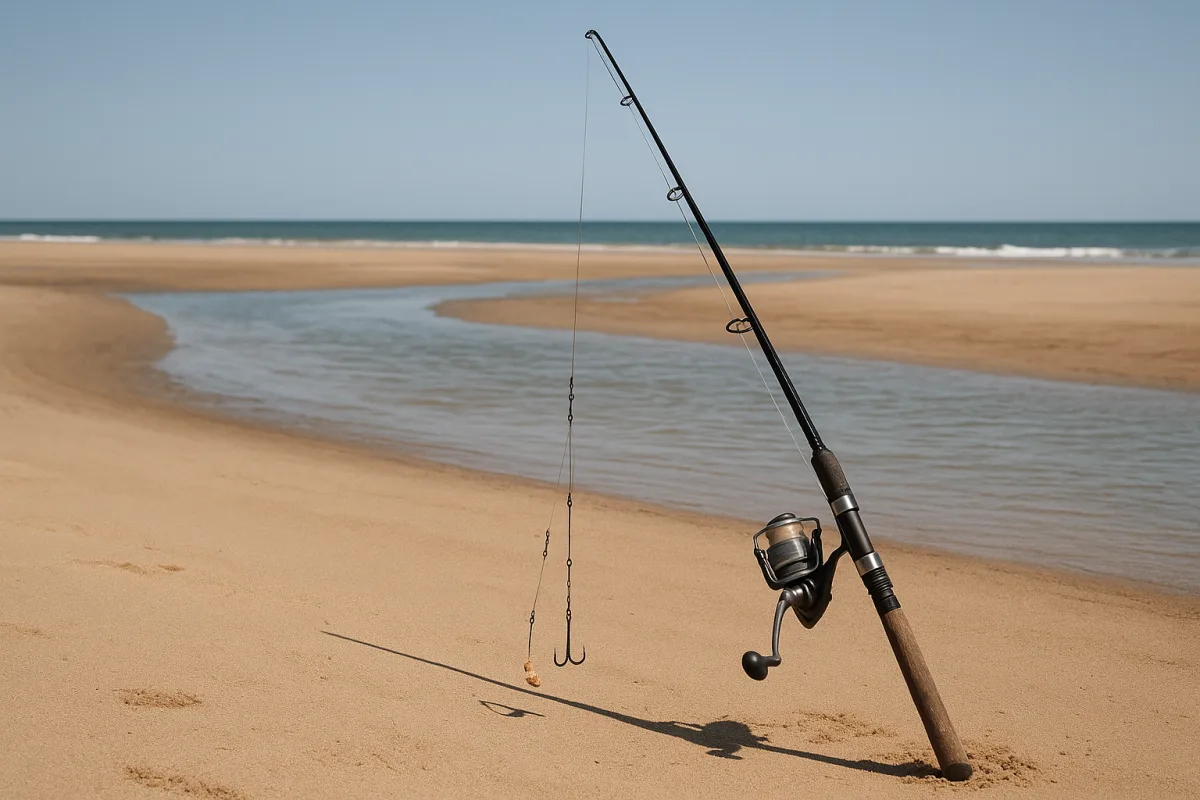
How to Fish During Low Tide
Learn how to fish during low tide with tips on finding fishable water, choosing rigs, casting distance, and reading the beach for surf fishing success.
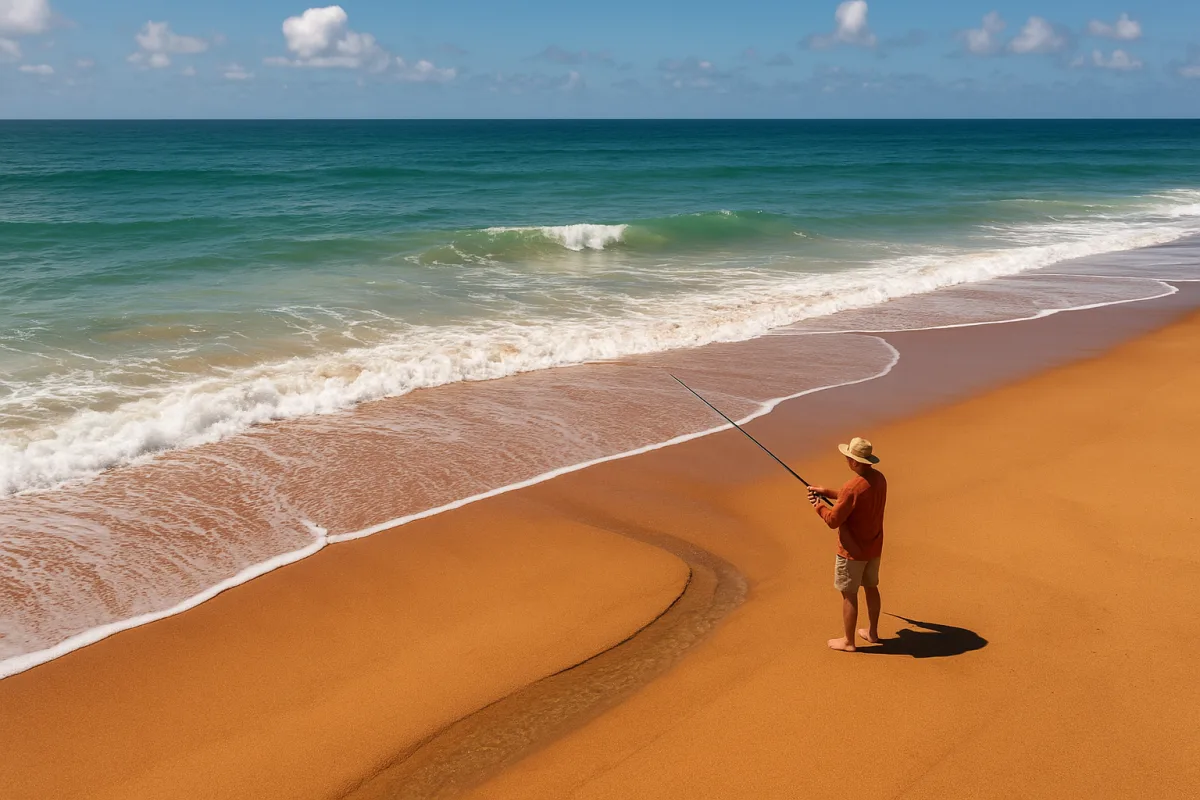
How to Find Fish in the Surf: Reading the Beach & Tides
Learn how to find fish in the surf by reading tides, water features, and beach structure for better surf fishing success.
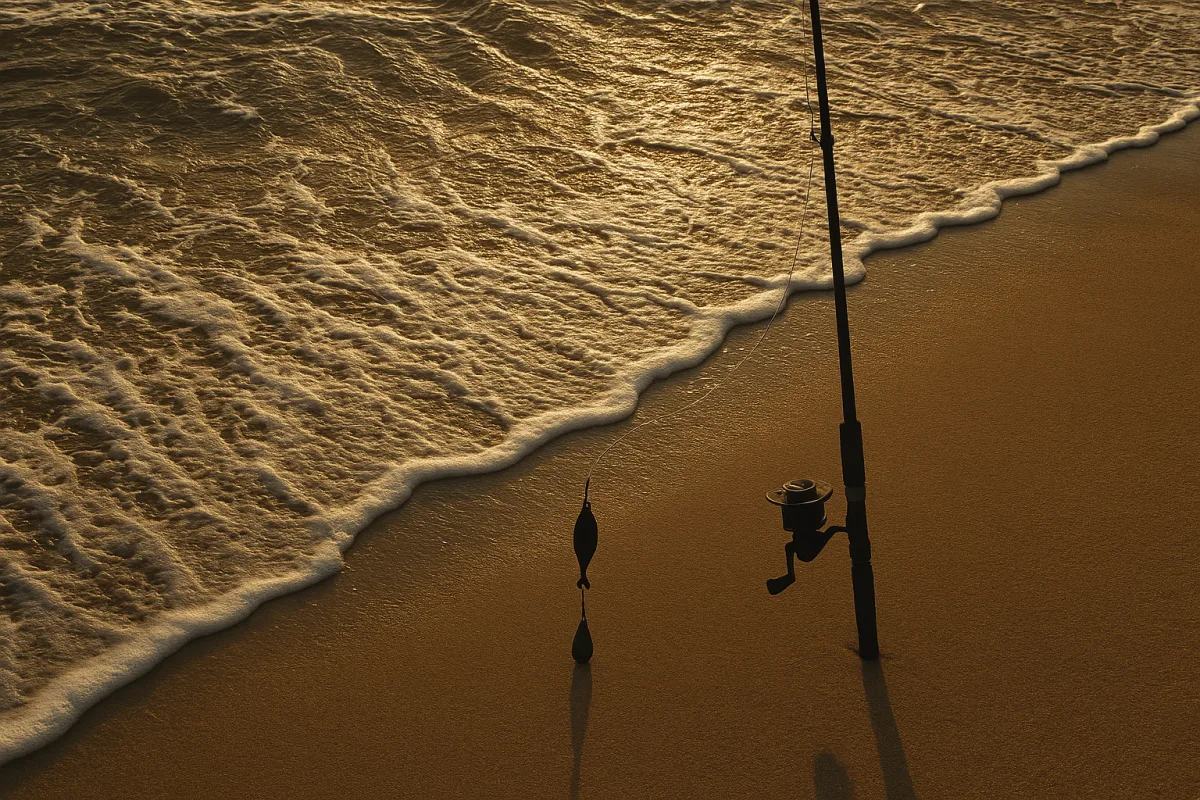
Surf Fishing in Murky Water: Tips for Catching Fish
Learn how to catch fish surf fishing in murky water with rigs, bait, and beach reading tips for low-visibility conditions.
Interpreting Surf Fishing Conditions: Waves, Wind & Tides
Learn how to interpret surf fishing conditions like waves, wind, and tides to improve your beach fishing success and safety.