How to Cast a Surf Rod: Master Your Technique
Learn how to cast a surf rod effectively with techniques and tips to improve your skills for successful surf fishing.
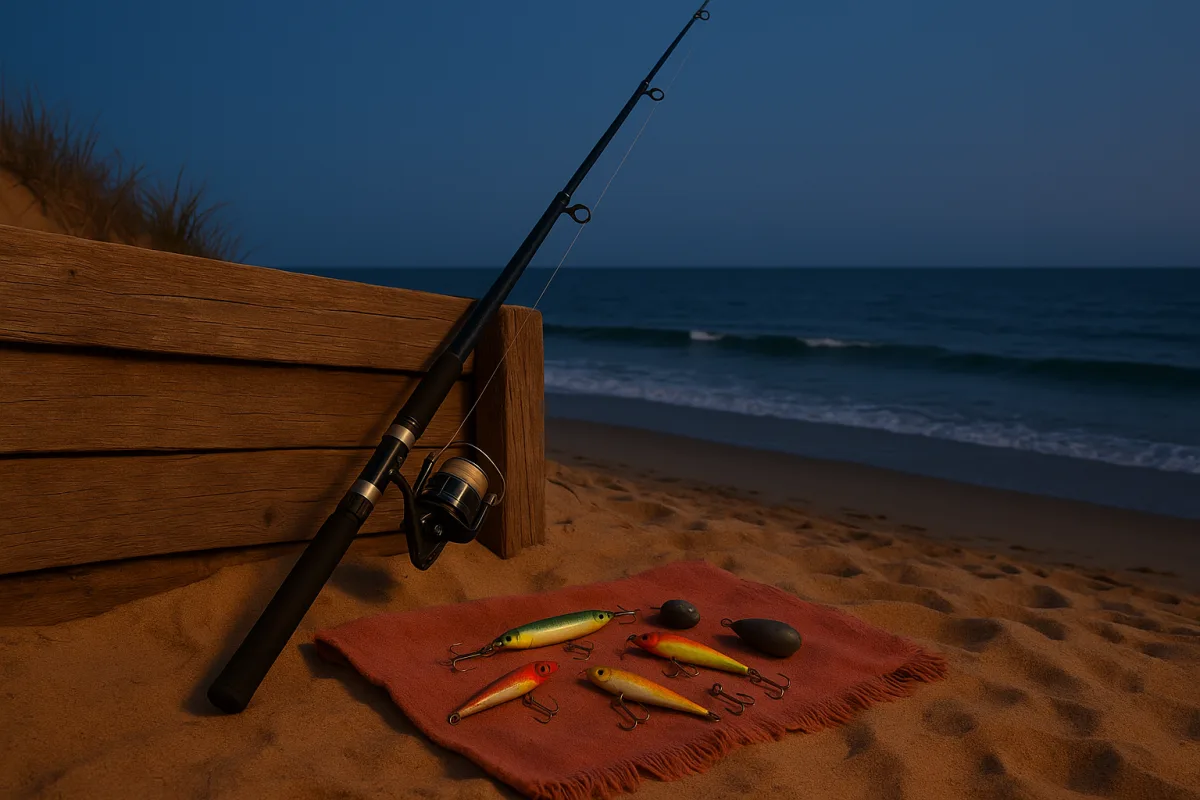
Mastering Surf Rod Casting: A Practical Guide to Improve Your Skills
Casting a surf rod effectively is both an art and a science, and mastering this skill can significantly enhance your success on the shoreline. This guide will address common problems you may encounter while casting, providing actionable solutions based on established techniques and expert recommendations. Whether you are targeting striped bass or larger species, understanding the nuances of casting can make all the difference.
Understanding Rod Length and Its Impact
The first step in improving your casting skills is selecting the right rod length. While many sources advocate for longer rods (12-15 feet) to achieve greater casting distance, this isn't the only consideration. Shorter rods (9-10 feet) can be more effective for precision in targeting specific areas close to shore, especially for beginners or when using techniques like plugging. If your goal is to fish in crowded or rocky areas, a shorter rod provides better control and accuracy.
For intermediate anglers, medium-length rods (10-12 feet) strike a balance between distance and control. This length is versatile enough for various conditions and can help you adapt to different fishing scenarios. Ultimately, personal comfort and skill level should guide your rod selection; it’s essential to choose a rod that feels right for you, as this will impact your overall performance.
Line Weight: Choosing the Right Tackle
An equally important consideration is the line weight of your setup. Light tackle (10-20 lb test) is suitable for smaller species, while medium tackle (30-50 lb test) is ideal for species like striped bass. For larger predators, such as sharks, heavy tackle (60-100+ lb test) is recommended. Understanding the species you’re targeting will help you select the appropriate line weight, ensuring your setup is robust enough to handle the fight while maintaining sensitivity for detecting bites.
The Importance of Casting Technique
Now that you have the right rod and line, let’s focus on casting techniques that can enhance your performance. One effective method is the pendulum cast, which can increase your casting distance by 25-35% when executed correctly. This technique involves swinging the rod back and forth in a pendulum motion before releasing the line. Here’s how to do it:
Positioning: Stand with your feet shoulder-width apart, facing the water. Hold the rod with both hands, gripping it firmly but not too tightly.
Loading the Rod: Bring the rod back and down in a smooth motion, allowing the weight to swing behind you. This is where the rod will load up with energy.
The Forward Motion: As the weight swings forward, apply a swift upward motion with the rod, releasing the line at the peak of the swing. This motion should feel fluid and coordinated.
Follow Through: Maintain your focus on the target area as you cast, following through with your arm to ensure maximum distance.
Practicing this technique will improve your distance and accuracy over time. Be patient, as it may take several sessions to feel fully comfortable with the pendulum cast.
Dealing with Wind Conditions
Wind can significantly affect your casting performance. Offshore winds are generally favorable, as they help carry your line further out. However, strong winds (over 15 mph) can hinder your ability to cast accurately and affect the direction of your bait. Familiarizing yourself with local wind patterns will help you plan your outings more effectively.
When casting in windy conditions, consider using heavier sinkers to maintain stability in the water. For calm conditions with waves up to 2 feet, using sinkers in the 2-3 oz range is appropriate. In moderate conditions (2-4 feet), 3-5 oz sinkers are recommended, while heavy conditions (4 feet and above) require sinkers in the 5-8 oz range. Adjusting your sinker weight based on conditions will help ensure that your bait reaches the desired depth.
Timing Your Casts
Another critical factor in successful surf casting is timing. The best catch rates often occur during dawn and dusk when fish are most active. Additionally, casting during high tide periods can increase your chances of a successful catch, as fish tend to move closer to shore during these times.
Understanding the tide charts and planning your fishing trips around these optimal times will enhance your chances of landing fish. Keep in mind that conditions can change rapidly, so staying adaptable is key.
Practice Makes Perfect: Focus on Accuracy
While distance is often emphasized in casting, accuracy is equally important, especially when fishing in surf conditions where fish may be concentrated in specific areas. To improve your accuracy:
Target Practice: Use a small target on the beach, like a towel or a cone, to practice hitting specific areas with your casts.
Adjust Your Stance: Experiment with your stance and grip. A stable base can help you maintain control during your cast, leading to improved accuracy.
Visualize Your Target: Before casting, take a moment to visualize where you want your bait to land. This mental preparation can help you focus and improve your precision.
Choosing the Right Equipment
While this guide has covered techniques and strategies, the right equipment is crucial. Although I cannot claim personal experience with specific products, I can recommend categories based on expert reviews. Look for:
Rod Types: Fast-action rods can enhance your casting distance due to improved energy transfer. Consider the length based on your targeting needs, shorter rods for accuracy and longer rods for distance.
Reel Size: The ideal reel size often correlates with your rod length. For 9-10 foot rods, a medium-sized reel (4000-6000 series) is typically recommended. For longer rods, larger reels may be necessary to accommodate heavier line and tackle.
Sinkers: Invest in a variety of sinker weights to adapt to changing conditions, this flexibility will improve your chances of success.
Conclusion: Adapt and Evolve Your Technique
Mastering surf rod casting involves understanding the interplay between equipment, technique, and environmental conditions. By focusing on the specifics, like rod length, line weight, casting techniques, and timing, you can enhance your skills and become a more effective angler.
Remember that personal comfort and individual preferences play a significant role in casting performance, so don’t hesitate to experiment with different setups and techniques. With practice and adaptability, you’ll find yourself casting with greater confidence and precision, ultimately leading to more successful outings on the surf.
Frequently Asked Questions
What are the best techniques for casting a surf rod?
One effective technique for casting a surf rod is the pendulum cast, which can increase your casting distance by 25-35% when executed correctly. This method involves swinging the rod back and forth in a pendulum motion before releasing the line, allowing for a fluid and coordinated motion that maximizes distance.
How can I improve my surf rod casting accuracy?
To improve your casting accuracy, practice targeting specific areas on the beach with a small target, like a towel or cone. Additionally, experiment with your stance and grip for better control, and take a moment to visualize your target before casting to help focus your precision.
What equipment do I need for surf rod casting?
For surf rod casting, you will need a rod that suits your targeting needs, shorter rods (9-10 feet) for accuracy and longer rods (12-15 feet) for distance. Additionally, choose the appropriate reel size based on your rod length, and invest in a variety of sinker weights to adapt to changing conditions.
Sources
- What Rod to Use for Surf Fishing? Best Gear Guide - Battlbox.com
- Best Surf Fishing Rods - Fishing Gear Guide | knots.fish
- Rod Length Guide: Casting Distance, Accuracy & Hookset - FishUSA
- Shore Casting Rod Length & Weight for Wholesale | RodsHub
- How Far Can You Cast a Surf Rod? Expert Distance Tips - Battlbox.com
- How to Choose Fishing Equipment for Long Casting
- What Lb Test for Surf Fishing: Make Every Cast Count - CNY Fishing
- What Pound Line Should You Use for Saltwater Surf Fishing?, Surfcasting Republic
- Fishing Line Weights Guide: Choosing the Right Strength for Surf Fishing, Surfcasting Republic
- What Size Line Is Best for Surfcasting?, Surfcasting Republic
- Top 5 Surf Casting Lines: Max Distance & Strength Guide
- Advanced Surfcasting Techniques for Maximum Distance and Accuracy, Surfcasting Republic
- How to Cast a Fishing Rod: Techniques for Distance and Accuracy | Salted Angler
- Surf Casting Distance Calculator, Maximize Your Cast - FuncFish
- How to Cast a Surf Rod Further: 5 Pro Tips for Distance - Battlbox.com
- Surfcasting - casting tips and techniques - The Fishing Website
- How To Cast A Surf Fishing Rod (For Distance & Accuracy)
- How Wind Affects Surfing: The Complete Guide to Reading Wind Conditions, Neptune
- Understanding Wind Speed Direction Indicators for Surfers
- Fishing Wind Speed Guide, How Wind Affects Fishing | CastConditions
- How Wind Affects Fishing, FishRadar
- Wind Effects on Surfcasting: Tips for Better Casting and Fishing Success, Surfcasting Republic
- 9 Essential Surf Fishing Setups for Beach Anglers - Swimmer Living
- Pyramid Sinkers: Complete Pyramid Surf Fishing Weight Guide
- Surf Fishing for Beginners: Gear, Techniques, and Where to Start, CastDepth
- Top 5 Surf Fishing Sinkers: Your Best Cast Guide
- The Ultimate Guide to Surf Fishing Gear for Beginners - Wild Outdoor
- Best Surf Fishing Rods: 10 Long-Range Options Tested (2026)
- Beginner Mistakes to Avoid When Surf Fishing
- Why Surfcasting Rods Don’t Cast Their Full Potential, NZ Distance Guide
- Fishing Rods for Surf Casting: The 2026 Expert Review & Comparison Guide
- #1 Most Common Mistake Cutting Down Your Casting Distance
- Best Time to Fish From Shore: Morning, Evening, and Incoming Tides, Surfcasting Republic
- Complete Surf Fishing Guide | Best Equipment & Techniques | 2026
- Surf Fishing Tips Guide: Master Beach Fishing in 2026
- Catch Striped Bass From Shore: Full Guide
- How Weather Affects Daytime Surfcasting Success, Surfcasting Republic
- Surf Fishing Guide - OuterBanks.com
- Surf Fishing For Halibut: Complete Guide, Surfcasting Republic
Related Articles
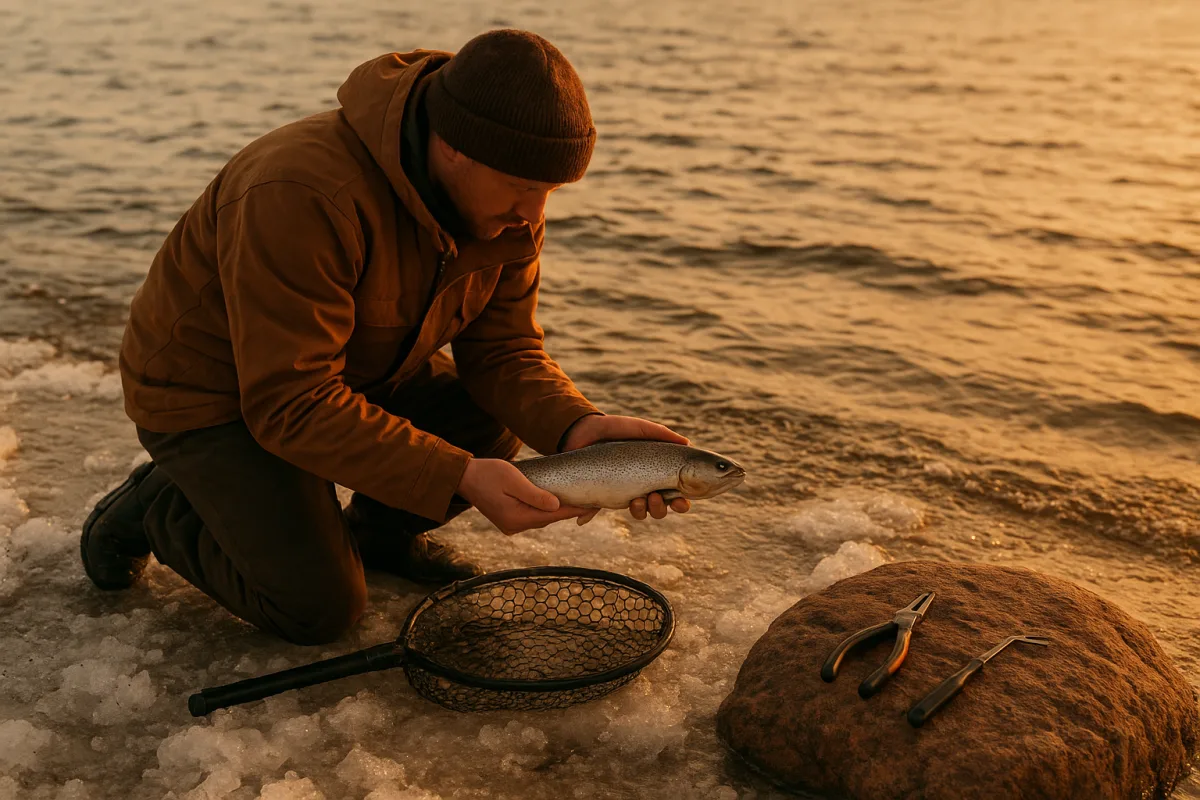
How to Handle Fish After Catching: Proper Techniques
Learn how to handle fish after catching with proper techniques to minimize harm and improve catch and release success.
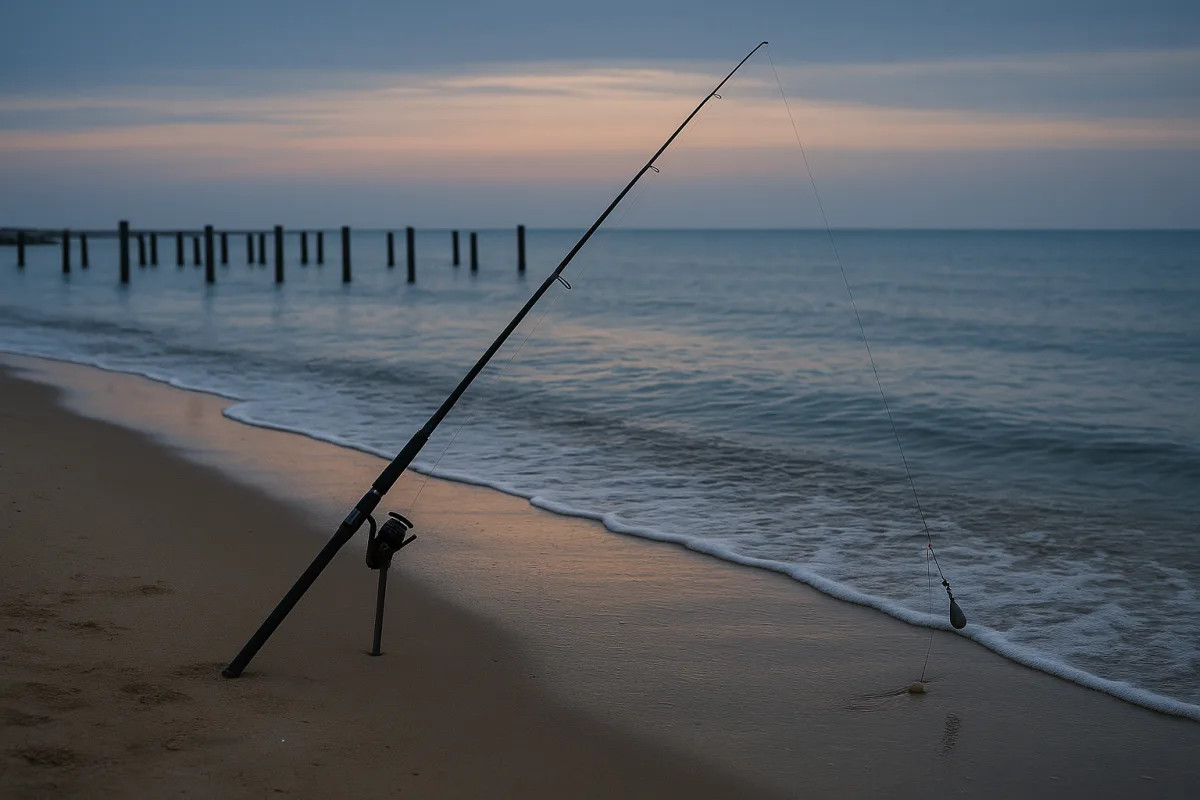
Surf Fishing Techniques for Flounder: Rigs, Tides & Tips
Learn the best surf fishing techniques for flounder including rigs, tides, and how to read the beach for successful catches.
Seasonal Surf Fishing Strategies: A Year-Round Guide
Learn seasonal surf fishing strategies to target fish effectively throughout the year. Discover what species to catch and when.
How to Clean Fish After Surf Fishing: A Practical Guide
Learn how to clean fish after surf fishing with step-by-step techniques, essential tools, and tips for maintaining freshness.