
How to Choose Surf Fishing Bait for Summer
Learn how to choose the best surf fishing bait for summer, comparing live and artificial sand fleas for pompano and whiting.
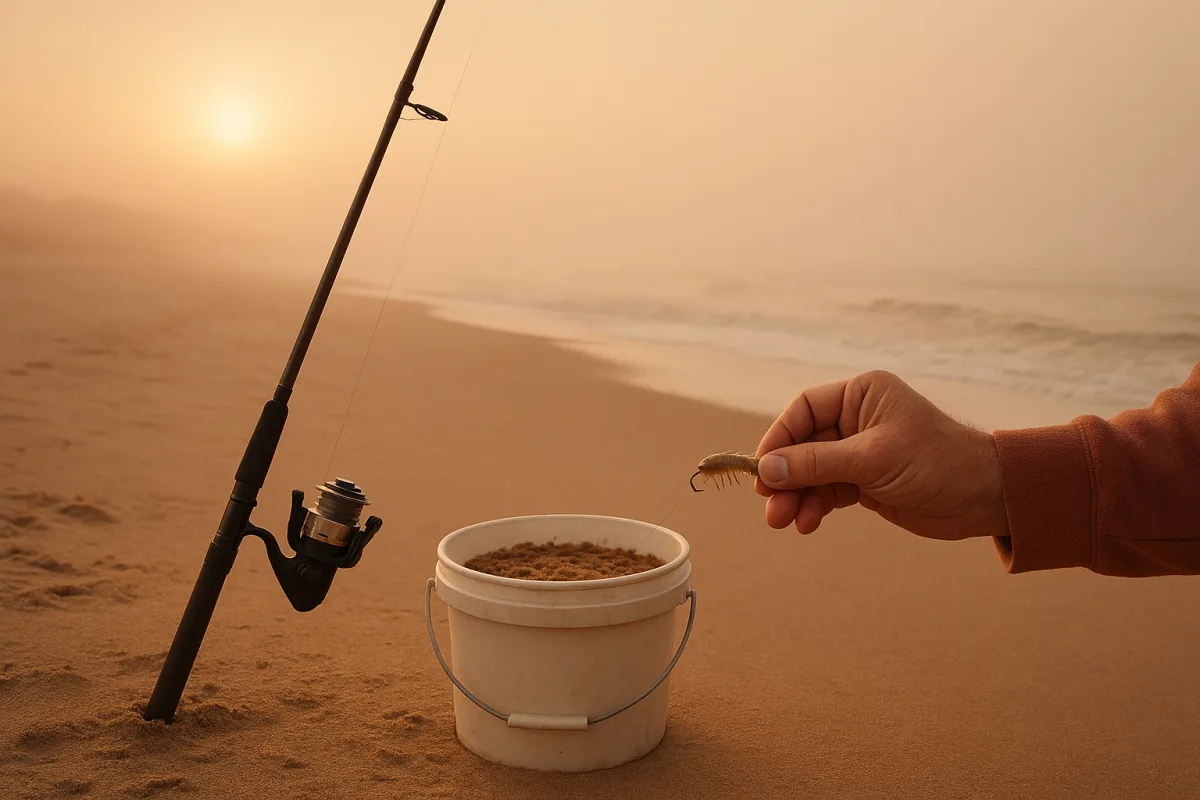
The summer bait decision: live sand fleas or artificial sand flea lures?
For summer surf anglers targeting pompano and whiting, the choice is between live sand fleas and artificial sand flea lures. The decision is not really about whether one looks more convenient in a tackle bag.
It is about whether fish are feeding on natural crustaceans in the water directly in front of you. If they are, live sand fleas are the better bet. If access, storage, or repeated casting matters more, artificial sand flea lures are the practical alternative.
This comparison is most useful on Gulf Coast and southeastern Atlantic beaches, where sand fleas are established summer forage and where pompano and whiting commonly root along the bottom. Gulf Shores-area reporting specifically identifies sand fleas among the favored local baits, alongside blue crab halves. [7]
That does not make them a universal summer answer. Outer Banks bait preferences lean more heavily toward bloodworms and squid, while Pacific Coast summer bait guidance remains thin beyond spring and early-summer surfperch information. [5][8] A bait that matches the food chain in Alabama may be merely an imitation of the wrong meal elsewhere.
Compare them on the same water
| Criterion | Live Sand Fleas | Artificial Sand Flea Lures |
|---|---|---|
| Primary summer target | Best fit for pompano and whiting feeding on natural crustaceans | Best fit for anglers still targeting pompano but needing a reusable imitation |
| Where it fits | Gulf and southeastern Atlantic beaches with active flea populations, troughs, and clean moving water | Beaches where sand fleas are present as forage but live bait is unavailable or inconvenient |
| Natural food match | Exact crustacean forage match | Visual and movement-based imitation, not natural forage |
| Scent | Natural scent and texture | Relies on the lure design and any added scent, rather than fresh natural bait |
| Best rig | Pompano rig with floats to lift the bait above bottom debris | Pompano rig or a light bottom presentation that lets the lure move naturally |
| Tide and timing | Dawn, dusk, incoming water, and the first outgoing hour | The same productive windows, with movement and presentation becoming especially important |
| Convenience | Requires collection or purchase and careful handling | Easier to carry, store, and recast |
| Cost position in this field | Premium | Mid-range |
| Main weakness | Less useful where fish are not feeding on crustaceans, and availability is local | Less convincing when fish are tightly keyed to fresh, natural forage |
| Decision | The stronger choice when the beach is producing on fleas | The fallback choice when practical fishing time matters more than natural bait fidelity |
Live sand fleas win on one criterion that matters more than the rest: they are the actual food item. Field & Stream identifies them as highly effective for pompano and whiting, two species that regularly feed on small crustaceans in the wash. [20]
Artificial sand flea lures have a place, but they are not the same decision. They suit the angler who cannot gather fleas before a tide window, cannot keep live bait in good condition, or needs a cleaner option for repeated casts.
The difference becomes clearest when the beach has structure. A trough running parallel to shore, a cut through the outer bar, or a section where incoming water pushes foam and food into a depression gives bottom-feeding fish a reason to hold close. [2][14]
On that sort of beach, live fleas on a pompano rig are the direct presentation. Fluorescent floats help lift bait off the bottom, where it can stay visible above shell fragments, grass, and shifting sand. [2][3]
Artificial sand flea lures can work in the same places, but they need the current and wave wash to give them life. In flat water or slack tide, an imitation sitting motionless on bare sand does not gain much from looking like a flea.
Run the tide before choosing the bait
Bait is only one part of the summer decision. Pompano and whiting have to be moving and feeding, which is why incoming water and the first hour of the outgoing tide matter more than an all-day plan. [12]
Fish the first two hours after sunrise when possible, then give dusk the same attention. These periods combine lower light with moving water, and they are generally more productive than the bright, still middle of a hot day. [4][12]
Avoid judging either bait during slack water. If the current has stopped, the wash has gone quiet, and the trough is not receiving food, a poor bite says little about whether live fleas or an artificial imitation is better. [12]
Water temperature further narrows the window. Mid-60s through low-70s°F is identified as favorable for surf activity, while temperatures above 80°F can reduce daytime feeding. [16] In hot summer conditions, fish deeper water or wait for low light.
That is also where beach reading matters. Do not cast automatically beyond the farthest bar. The near trough may hold more feeding fish if it has moving water, a defined edge, and enough depth for fish to travel without exposing themselves.
The rig should match the bait, not the other way around
For live sand fleas, use a pompano rig when targeting bottom-feeding fish in sandy surf. Its floats keep the offering just above the bottom, which is useful where small waves and shell-strewn sand would otherwise bury it. [2][3]
A high-low rig is another option when the goal is to test two baits or two presentation heights. The hooks are commonly set 12 to 18 inches apart, allowing an angler to cover more than one level near the bottom. [3]
That said, a two-hook rig does not turn an artificial lure into live forage. Use it to compare presentation, not to create false confidence. If fish are taking natural fleas on one hook and refusing the imitation on another, believe the fish.
A fish-finder, or Carolina-style, rig is better suited to whole or cut bait than to a delicate flea presentation. Its sliding sinker allows a bait to move more naturally, which makes it useful when larger fish are feeding on a scent trail. [3]
Where the rest of the summer bait field sits
The field is broader than this head-to-head decision, and each alternative belongs in a particular seasonal or regional situation. Cost labels below are relative positions within the supplied field, not current retail prices.
Gulp! Alive! Sandworm by Berkley is a premium artificial option for anglers who want a durable, lifelike sandworm imitation. Outdoor Life notes its scent-enhanced formula and broad species appeal. [18] It suits worm-feeding fish, but it is not the automatic substitute for sand fleas on a crustacean bite.
Fishbites E-Z Shrimp by Fishbites sits in the mid-range and suits anglers wanting an easy-to-use shrimp alternative. Saltwater Sportsman reports a long-lasting scent trail. [19] It makes more sense where shrimp is local forage than where pompano are clearly feeding on fleas.
Live Sand Fleas are premium in this field and suit anglers targeting crustacean-feeding pompano and whiting. They are the lead choice in this comparison because the bait directly matches what those fish are built to pick from the sand. [20]
Frozen Clams are a mid-range versatile bait for mixed surf species, including striped bass and bluefish. They can be useful when a beach holds scent-oriented fish, but clams are more closely associated with spring striped bass runs than a dedicated summer pompano plan.
Fresh Shrimp is the entry-level option here and suits anglers seeking an affordable natural bait for redfish and flounder. It is a sensible regional choice on shrimp-rich southern beaches, but it cannot be assumed to outfish fleas for pompano.
Artificial Crab Lures occupy the mid-range and suit anglers targeting crab-eating species such as black drum. They are a more specific choice than a sand flea imitation, intended for fish keyed to larger crustacean profiles and movement.
Cut Bait, including mullet or menhaden, is entry-level and suits anglers pursuing larger fish such as sharks and large redfish. It belongs on a fish-finder rig near a deep cut, not on a light pompano setup in shallow, clean wash.
Artificial Shrimp Lures are mid-range and suit anglers who can match lure color and size to local shrimp. They are useful for active presentations, but their effectiveness depends on retrieve speed, fish aggression, and whether shrimp are actually present.
Squid Strips are mid-range and suit anglers targeting fish that feed on squid, including bluefish and striped bass. They also fit flounder fishing, where fresh squid strips are an established option alongside live minnows and soft artificial baits.
Artificial Sand Flea Lures are mid-range and suit anglers targeting sand-flea feeders without live bait. They are the convenient alternative in this comparison, though they fall short when fish demand the scent, texture, and taste of natural crustaceans.
Bloodworms are premium and suit anglers targeting worm-feeding species, including striped bass and bluefish. They need proper cold storage, with 34 to 40°F identified as the useful range, and they make more regional sense in places such as the Outer Banks. [5][17]
What will not produce
Neither live nor artificial sand fleas are a cure for the wrong beach. A featureless stretch with no trough, no cut, and no moving water can leave bait sitting where fish have little reason to travel.
Neither is a strong choice for every summer species, either. Bluefish are more naturally matched to fresh bunker chunks, metal spoons in the 1 to 3 ounce range, surface poppers during visible feeding, or 5 to 7 inch swim shads. [1][4]
Striped bass require another adjustment. Live eels are a notable nighttime option, while fresh bunker chunks can fit a summer scent-and-current approach. Clams have a place, but the available guidance ties them more closely to spring activity than to a blanket summer recommendation. [1][4]
For flounder, live finger mullet or live spot, fresh squid strips, and Gulp! Swimming Mullet-style artificial bait are more direct choices. A sand flea may catch an incidental fish, but it is not the bait to select specifically for flounder. [1][10]
There is no reliable research in the brief that quantifies how quickly particular baits break down in hot surf, strong wave action, or high water temperatures. The sensible standard is freshness, cold storage, and regular checks, not an invented durability claim.
Who each option suits
Choose live sand fleas if you are fishing a Gulf Coast or southeastern Atlantic beach with active flea beds, defined troughs, and a moving tide. They suit the angler targeting pompano or whiting who can obtain fresh bait and wants the most direct forage match.
Choose artificial sand flea lures if your productive tide window is short, live fleas are unavailable, or you need a cleaner bait that can stay in a tackle bag. They suit a practical pompano angler, but they are not the better choice when fish are plainly feeding on real crustaceans.
Frequently Asked Questions
What is the best bait for surf fishing in summer?
For summer surf fishing targeting species like pompano and whiting, live sand fleas are generally the best bait when these fish are feeding on natural crustaceans in the water. This is especially true along Gulf and southeastern Atlantic beaches where sand fleas are a natural part of the forage. Artificial sand flea lures are a practical alternative when live bait is unavailable or inconvenient.
Should I use live or artificial sand fleas for summer surf fishing?
Live sand fleas are preferred when fish are actively feeding on natural crustaceans, as they provide an exact food match with natural scent and texture. Artificial sand flea lures work as a fallback option when live fleas cannot be collected or kept fresh, but they rely on movement and presentation rather than natural bait qualities and are less effective in slack water or where fish are keyed to fresh forage.
How do tides affect bait choice for summer surf fishing?
Fishing is most productive around dawn, dusk, incoming tides, and the first hour of the outgoing tide. These periods combine moving water and low light, which encourage feeding. Slack tides are generally poor times to judge bait quality or expect good fishing, regardless of bait type.
What rigs work best with live sand fleas in summer surf fishing?
A pompano rig equipped with fluorescent floats is recommended to lift live sand fleas above bottom debris and keep them visible to fish. This rig works well in troughs or areas with structure where bottom-feeding fish hold close to the sand flea habitat.
How does water temperature influence surf fishing bait selection in summer?
Water temperatures above 80°F tend to reduce daytime feeding activity. Instead of changing bait, anglers should focus on fishing during low light periods, targeting deeper troughs, or cooler moving water to improve success. The bait choice remains the same, but timing and location adjustments become more important.
How we researched this
This article was assembled from 20 cited references.
Nothing here is based on hands-on testing. Where a figure or finding appears, it belongs to the source cited beside it, and the writing says so rather than implying otherwise. Every source is listed below so you can check it.
Sources
- Best Bait for Pier Fishing by Species | PierSeeker
- Surf Fishing Guide: Rigs, Baits, Best Beaches & Techniques | One…
- How to Rig for Surf Fishing - Rigging Tutorial | knots.fish
- Best Surf Fishing Setup for Summer: Rods, Rigs & Tides
- Outer Banks Surf Fishing | Outer Banks, NC
- Morehead/Atlantic Beach – September 2026 | Fisherman's Post
- September 5-6, 2026 Gulf Coast Fishing Report | Gulf Shores, Orange Beach & Pensacola
- How to fish for surfperch | Oregon Department of Fish & Wildlife
- Bait Shops Near Me: Sarasota–Venice Map, Hours & Live Shrimp | Sarasota Fishing Charters, Bait Included, Bait Shop Near Me, Live Bait Near Me, Bait & Tackle Near Me
- Bait Options – St. Augustine Paddle Sports
- Surf Fishing the Emerald Coast: A Beginner's Guide (2026)
- How to Choose the Best Time to Fish Based on Tides (September 2026)
- Surf Fishing Mistakes: 5 Habits You Need to Break
- Surf Fishing Guide: How to Catch Fish from the Beach — The Fishing Manual
- Redfishing In The Surf....The Early Summer Species - Angler Sportsman
- How Water Temperature Affects Surf Fishing: Best Temps & Fish Behavior
- Surf Fishing 2026 — Catch More from Shore | FishingWorldGuide
- Gulp! Alive! Sandworm by Berkley
- Fishbites E-Z Shrimp by Fishbites
- Live Sand Fleas
Related Articles
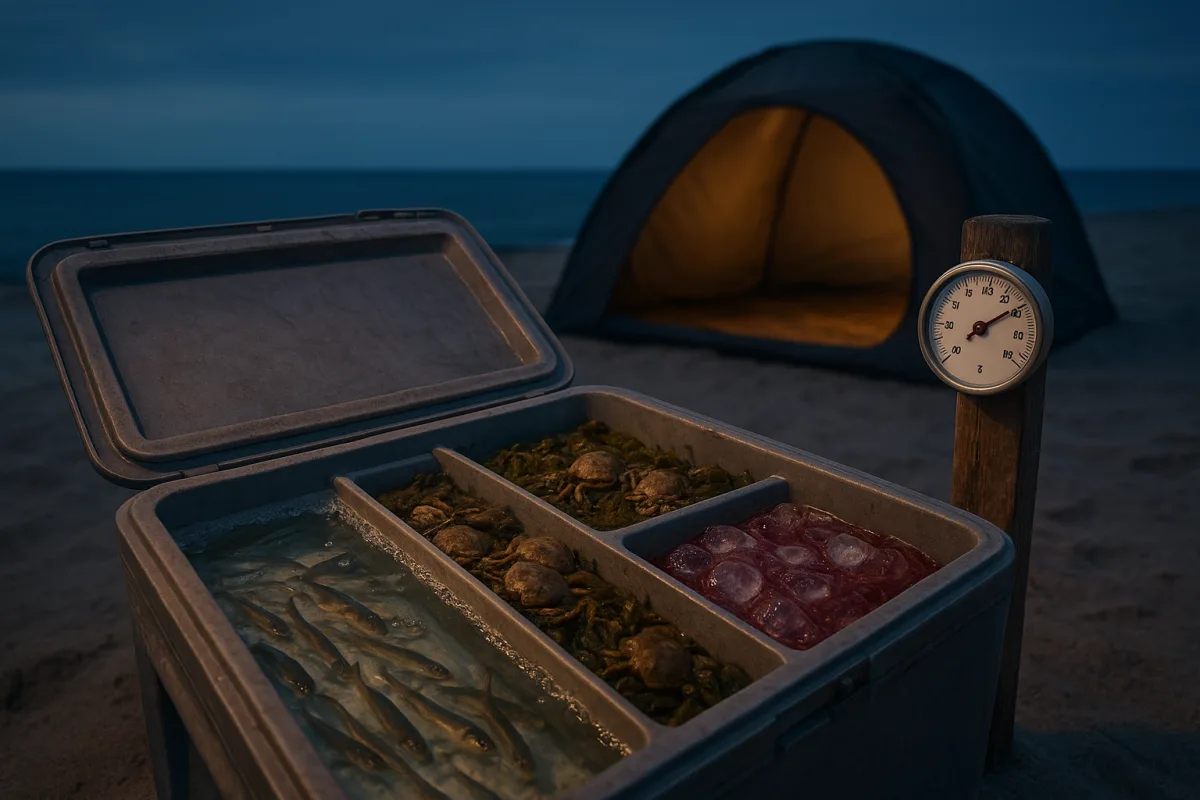
How to Store Bait for Surf Fishing
Learn how to store bait for surf fishing properly to keep it fresh and alive with tips on temperature, containers, and transport.
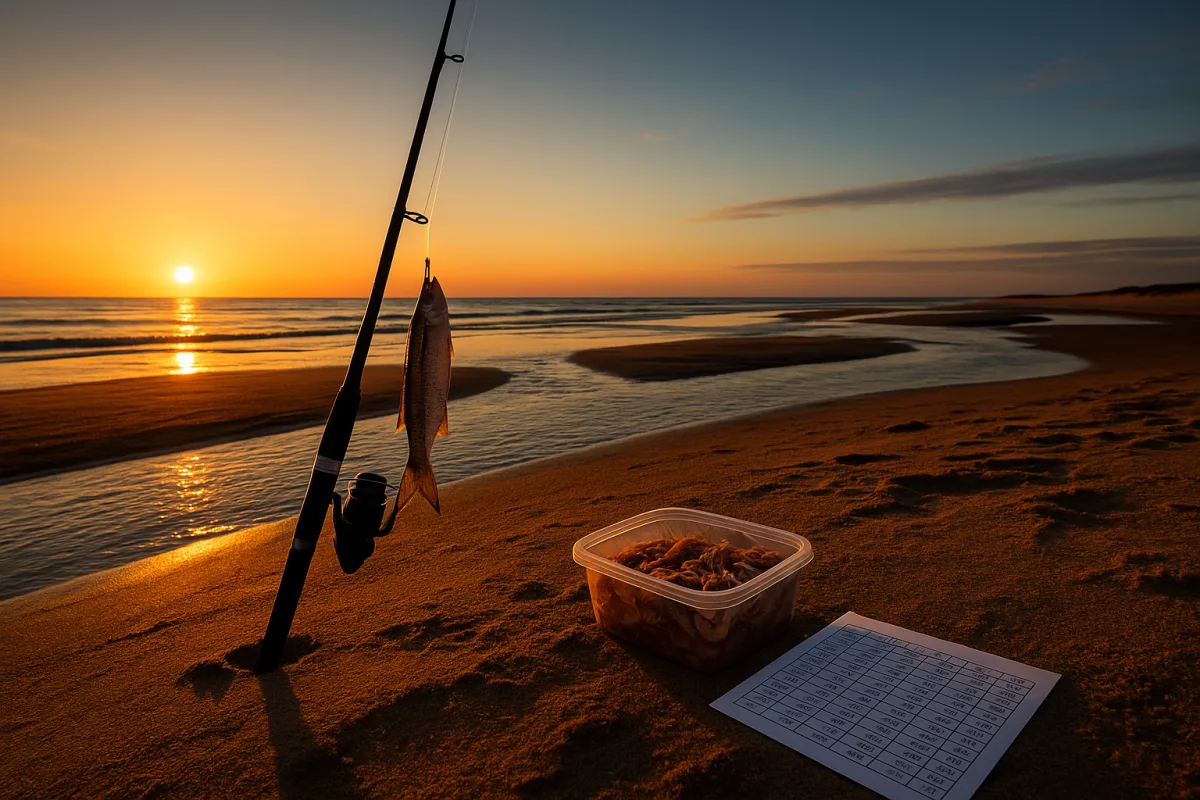
Best Bait for Surf Fishing in Spring
Discover the best bait for surf fishing in spring, matching seasonal fish and tides for top results on your next beach fishing trip.
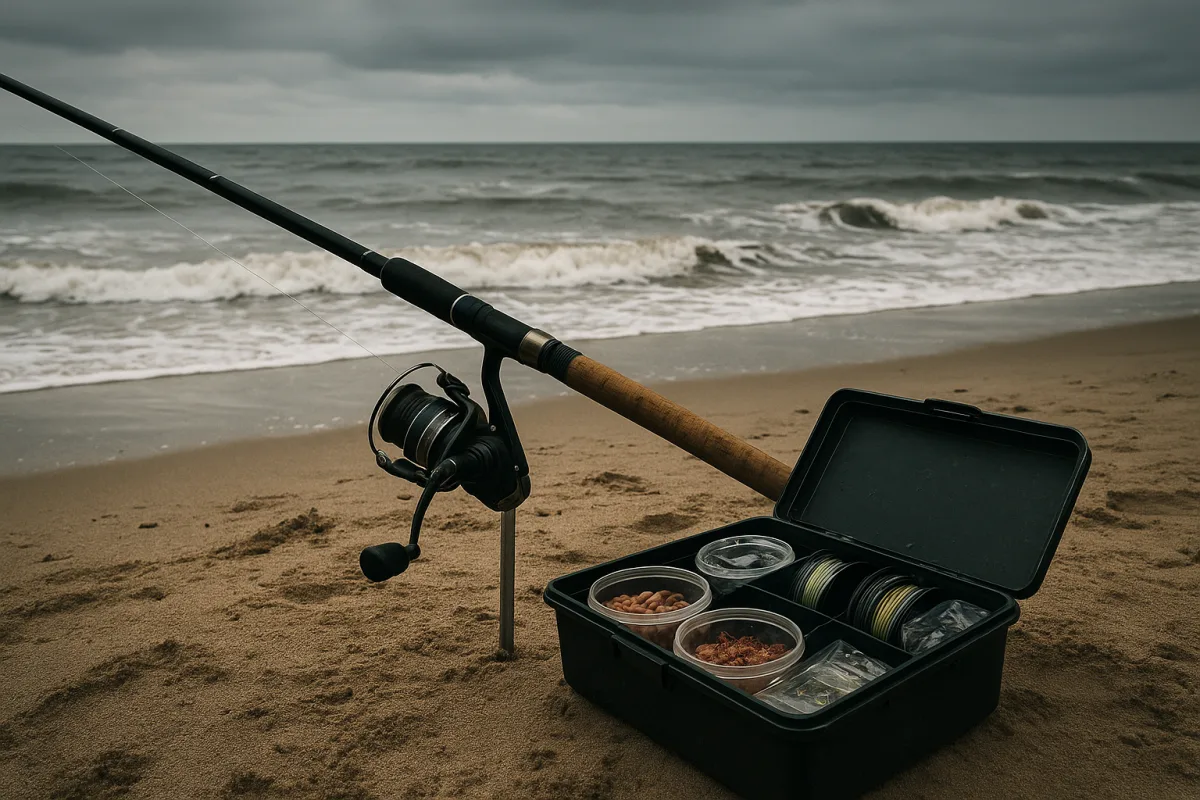
Best Surf Fishing Setup for Summer: Rods, Rigs & Tides
Discover the best surf fishing setup for summer, including rods, rigs, tides, and beach reading tips for successful fishing sessions.
How to Choose a Surf Fishing Rod: A Practical Guide
Learn how to choose a surf fishing rod with our practical comparison of key features and considerations for your fishing needs.